
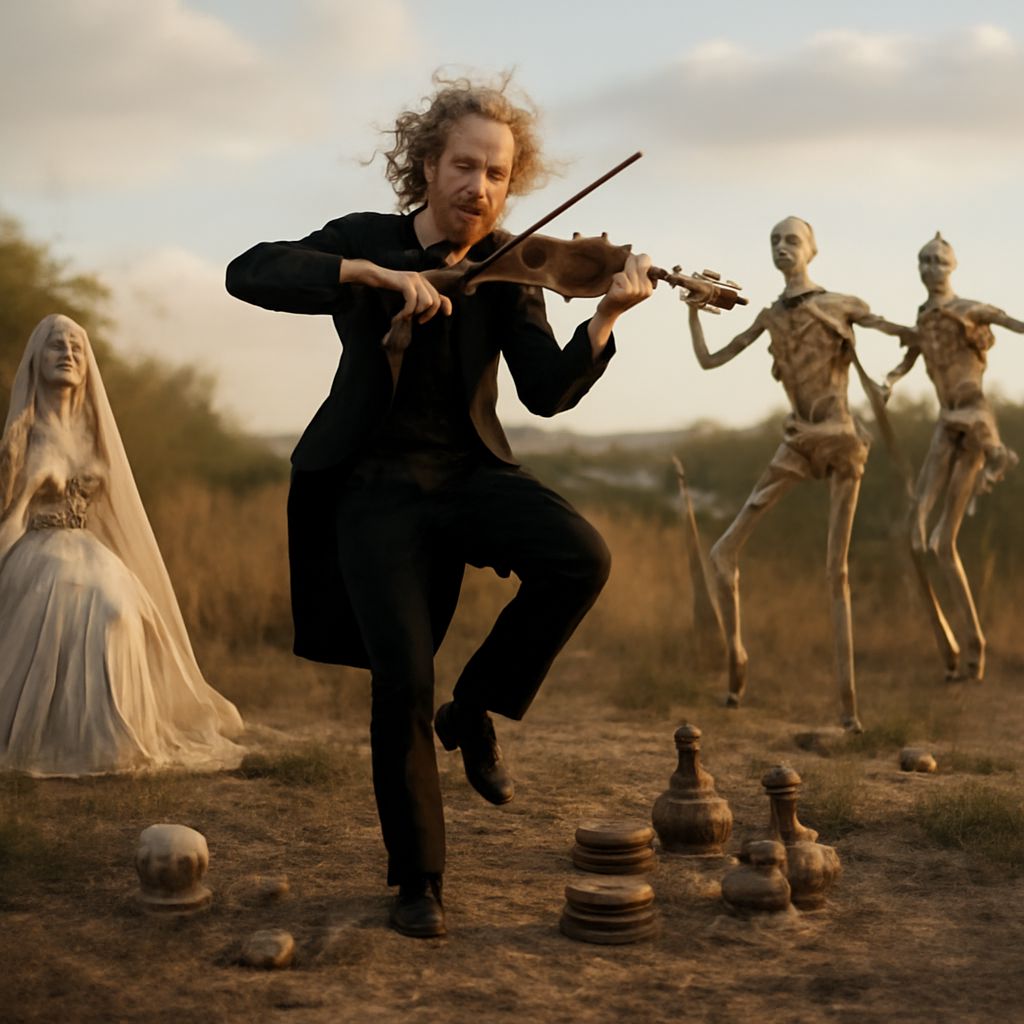
Niccolò Paganini’s influence on violin performance is legendary, forever changing what musicians and audiences expected from the instrument. The term paganini violin conjures images of impossible virtuosity, technical fireworks, and a mystique that still fascinates violinists today. This article explores what made Paganini’s playing so extraordinary, the actual instruments he used, the intricate connection between Paganini and Beethoven, and how Paganini’s legacy continues to shape classical music.
Who Was Paganini and What Made His Violin Playing Unique?
Niccolò Paganini (1782–1840) was an Italian violinist and composer whose technique and flair for the dramatic set him apart from all his contemporaries. He was renowned not just for his speed and dexterity but also for the intensity and charisma of his performances. Audiences in the early nineteenth century were astonished by his seemingly supernatural abilities, fueling rumors of Faustian pacts and unrivaled genius.
Paganini’s violin playing was unique because of his use of extraordinary techniques that, until then, had been considered almost unplayable. He mastered double stops, rapid arpeggios, flying staccato, and complex left-hand pizzicato. One of his trademarks was the use of harmonics, which allowed him to coax bell-like, ethereal tones from the violin that no one had heard before. He was also famous for “scordatura,” tuning the violin’s strings differently for specific effects and greater technical facility.
Beyond technique, Paganini’s stage persona and showmanship helped cement his reputation. He played with an expressive physicality that captivated audiences. His appearance—tall and gaunt, with long hair—added to his mystique. This blend of technical innovation and magnetic performance style made his violin playing truly unique and set new standards for generations of musicians.
The Paganini Violin: Instruments and Signature Techniques
The most famous paganini violin is the 1743 Guarneri “Il Cannone,” so named for its powerful, resonant sound. This instrument, crafted by Bartolomeo Giuseppe Guarneri del Gesù, was Paganini’s favorite and accompanied him throughout his career. Il Cannone remains on display in Genoa, Italy, and is still played occasionally by top violinists. Paganini also played violins by Amati, Stradivari, and other master luthiers, but Il Cannone was said to match his wild charisma and technical demands best.
Signature Paganini techniques included left-hand pizzicato, rapid string crossings, and extensive use of harmonics. He often played entire passages on a single string, showcasing both the instrument’s range and his own technical prowess. Pieces like his 24 Caprices for Solo Violin remain benchmarks for virtuosity and are frequently used as test pieces in competitions and auditions worldwide.
Paganini’s compositions were designed to push the boundaries of what the violin could do. He exploited the full range of the instrument, using every available technique to create new sounds and effects. His showpiece works, including the Violin Concerto No. 1 and No. 2, are filled with dazzling pyrotechnics that demand a level of control and agility few players can match. This technical revolution influenced not only violinists but also composers, who realized new possibilities for the instrument.
Beethoven and Paganini: A Complex Relationship in Music History
The relationship between Beethoven and Paganini is a complex chapter in music history. Although they never met in person, Paganini admired Beethoven’s genius, and Beethoven was aware of Paganini’s unprecedented fame. Paganini publicly expressed his respect for Beethoven by dedicating performances and funding Beethoven’s work later in the German composer’s life, particularly after Beethoven became deaf and financially strained.
Musically, their worlds overlapped in terms of ambition and the search for new expressive possibilities. Beethoven’s violin sonatas and concertos pushed musical boundaries, while Paganini revolutionized technical possibilities for the violin. Despite their stylistic differences—Beethoven’s structural rigor versus Paganini’s showmanship—their works set new standards for the depth and virtuosity expected from violin music.
Paganini’s influence even reached composers in Beethoven’s circle. Franz Liszt, inspired by Paganini’s technical feats, sought to become the “Paganini of the piano.” While no direct collaboration occurred, the mutual respect between Beethoven and Paganini added to the mythology surrounding both men, contributing to the evolution of Romantic music in the nineteenth century.
Paganini’s Lasting Impact on Violinists and Classical Music
The legacy of the paganini violin endures in the technical demands placed on today’s musicians. His 24 Caprices remain a rite of passage for aspiring virtuosos, and his innovations continue to influence violin methods and pedagogy worldwide. Modern violinists like Itzhak Perlman, Hilary Hahn, and Anne-Sophie Mutter have all performed and recorded Paganini’s works, demonstrating their enduring appeal and challenge.
Paganini’s impact goes beyond the technical. He elevated the role of the solo performer and expanded the expressive potential of violin music. His theatrical approach paved the way for later virtuosos and set a precedent for musicians as public celebrities. Paganini inspired composers such as Brahms, Rachmaninoff, and Liszt to write their own sets of Paganini Variations, further cementing his influence across the broader classical repertoire.
Today, the story of the paganini violin is closely tied to the evolution of both violin technique and the figure of the performer-composer. His life and music remain a touchstone for understanding the history and future of the violin in classical music.