
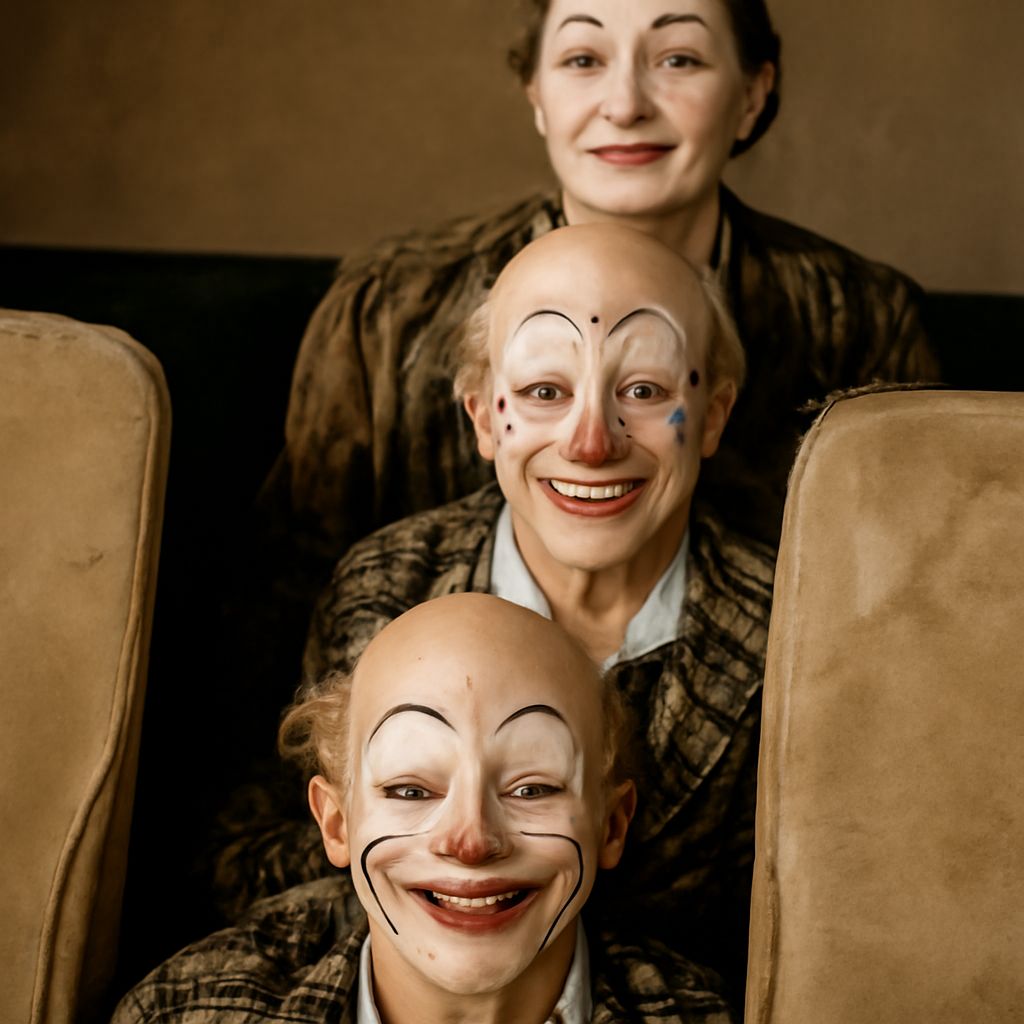
Famous clowns have captivated audiences for centuries, leaving a distinctive mark on entertainment, theater, and even the darker corners of pop culture. From whimsical circus stars to unsettling horror icons, their personas have evolved across generations, shaping how we understand humor, performance, and fear. This article explores the most famous clowns in history, the stories behind their iconic characters, and how these entertainers inspired both laughter and legends.
Who Are the Most Famous Clowns in History?
Several performers have become synonymous with the word “clown,” spanning different eras and styles. Joseph Grimaldi is widely recognized as the father of modern clowning. In early 19th-century England, Grimaldi transformed the role with his white face paint, exaggerated expressions, and slapstick routines, setting the template for generations to come. His name is still honored today, especially in British pantomime and clown communities.
Moving into the 20th century, Emmett Kelly became an American icon with his “Weary Willie” persona—a sad tramp clown whose silent, expressive performances during the Great Depression resonated with audiences nationwide. Red Skelton also brought clowns into mainstream media, blending comedy and pathos with characters like Freddie the Freeloader on television and radio.
In the circus world, Lou Jacobs was a pioneering figure for Ringling Bros. and Barnum & Bailey Circus, known for his inventive physical comedy and signature oversized clown car. His image is so enduring that it appeared on a U.S. postage stamp. Otto Griebling, another Ringling star, was famous for his pantomime skills and gentle, hobo-style clown persona that influenced generations of performers.
Contemporary clowns like Bozo the Clown, created by Alan Livingston and brought to life by original portrayers Pinto Colvig and later Larry Harmon, defined the children’s television clown in America. Krusty the Clown from “The Simpsons,” though fictional, owes much to these real-life predecessors and has become a pop culture legend in his own right.
The Stories Behind Iconic Clown Personas
Each famous clown’s persona is a carefully constructed blend of costume, voice, makeup, and character history. Joseph Grimaldi’s whiteface clown, with its elaborate costume and expressive face, set the standard for the classic clown image. His act combined physical comedy, witty banter, and storytelling, making his performances memorable and influential.
Emmett Kelly’s “Weary Willie” was based on the downtrodden American hobo, reflecting the struggles and hopes of ordinary people during the toughest years of the early 20th century. Kelly’s silent routines, especially his poignant attempts to sweep up a spotlight, turned the clown from a figure of pure humor into one of deep empathy and subtle social commentary.
Lou Jacobs developed routines that incorporated props and physical gags, such as squeezing his long frame into a tiny car, which became a staple of circus clowning. His red nose, frizzy hair, and oversized shoes—now classic clown features—were popularized through his acts. Otto Griebling, often performing without speaking, used exaggerated facial expressions and gestures to connect emotionally with his audience, showing that clowns could evoke both laughter and tenderness.
Bozo the Clown, with his bright red hair and infectious laugh, became a symbol of children’s entertainment in the early days of television. The character evolved into a franchise, with different actors portraying Bozo in various local markets, but always maintaining the same cheerful, approachable persona. Krusty the Clown, inspired by such figures, represents a satirical take on celebrity clowns, blending the familiar with the absurd for comedic effect.
How Famous Clowns Shaped Myths and Monsters
The image of the clown has not always been confined to laughter and light-hearted fun. Over time, famous clowns have influenced the development of darker myths and pop culture monsters. The unpredictable, masked nature of the clown persona has long been a source of unease, and this tension has been explored in literature, film, and urban legends.
Perhaps the most notorious transformation is seen in Stephen King’s “It,” with the character Pennywise the Dancing Clown. Pennywise draws heavily from the legacy of both whimsical and tragic clowns, blending childlike charm with predatory menace. The unsettling effect of a painted smile hiding something sinister has become a cultural touchstone, fueling stories of “evil clowns” in movies and news reports.
Real-life criminals like John Wayne Gacy, who performed at parties as “Pogo the Clown,” further cemented the association of clowns with hidden danger. While such cases are rare, they have left a lasting impression on the public imagination, sparking a wave of “killer clown” sightings and media portrayals.
Despite these darker associations, the majority of famous clowns remain symbols of joy, creativity, and resilience. Their evolving personas continue to inspire new generations of entertainers, artists, and storytellers—from the circus ring to the screen—demonstrating the enduring complexity of the clown in our culture.