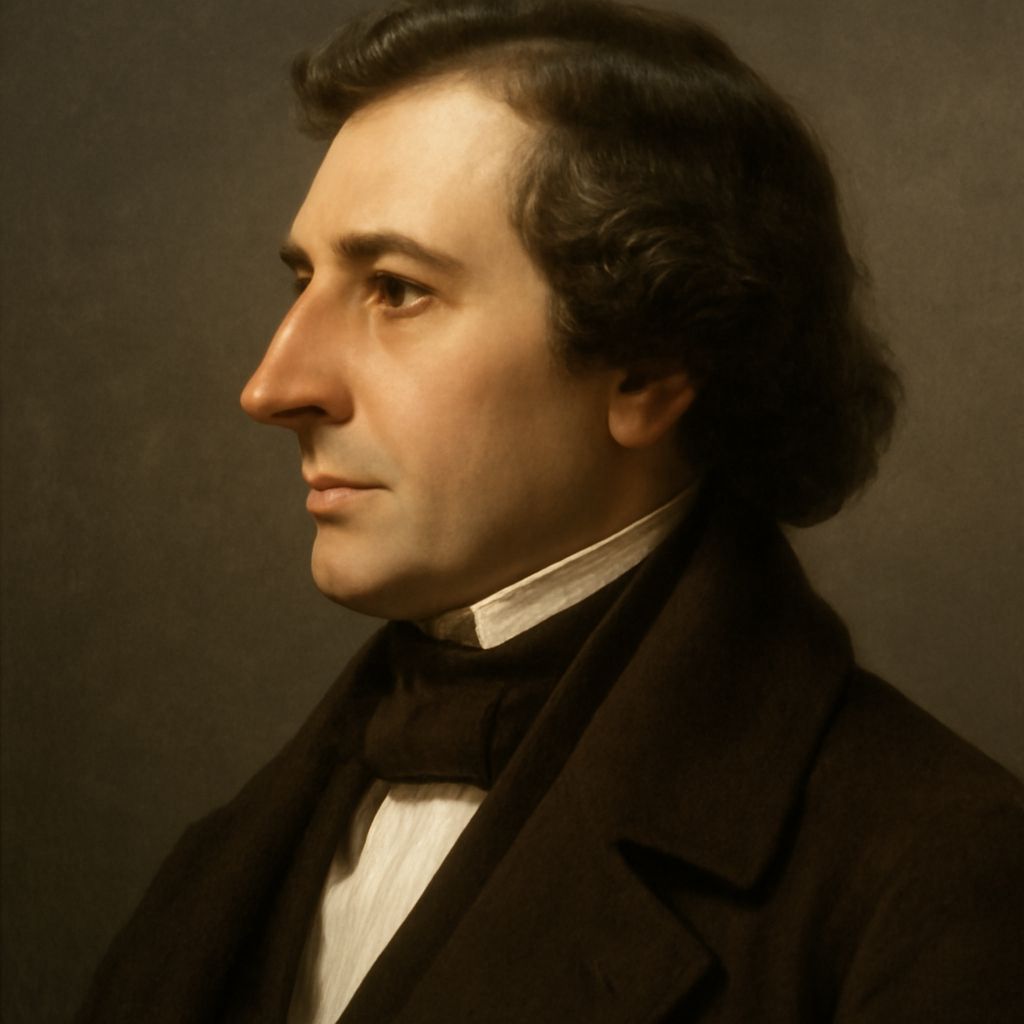
Frederic Chopin, often revered as one of the most influential composers of the Romantic era, was a master of piano music. His emotive compositions continue to resonate with audiences worldwide, showcasing his genius and unique style. This article delves into Chopin’s life, his distinctive musical style, his place among other legendary composers, and the enduring legacy of his work.
Who Was Frederic Chopin?
Born on March 1, 1810, in Żelazowa Wola, Poland, Frederic Chopin was a child prodigy. He displayed exceptional musical talent from a young age, composing his first piece at just seven years old. By the time he was a teenager, Chopin had already performed for aristocrats and was quickly gaining a reputation as a virtuoso pianist. His early life in Poland significantly influenced his compositions, which often reflect Polish folk music elements.
In 1831, at the age of 21, Chopin moved to Paris, where he spent most of his professional life. In Paris, he became part of the social and artistic circles, meeting other prominent artists and intellectuals of the time. His delicate health limited his public performances, but he was highly sought after as a teacher and composer. Chopin’s works are primarily for solo piano, and he is renowned for pieces like the “Nocturnes,” “Études,” “Preludes,” and “Polonaises.”
Chopin’s Unique Style and Influence
Chopin’s music is characterized by its expressive depth and technical innovation. Unlike many of his contemporaries, Chopin focused primarily on piano compositions, creating a rich repertoire that continues to challenge and inspire pianists. His use of tempo rubato, lyrical melodies, and intricate harmonies set his work apart from others.
Chopin’s compositions often evoke a sense of nostalgia and longing, reflecting his deep connection to his Polish roots. The “Mazurkas” and “Polonaises” are particularly noted for their nationalistic elements, infusing Polish dance rhythms into classical forms. His innovative use of the piano elevated its status as a solo instrument, influencing generations of composers, including Claude Debussy and Sergei Rachmaninoff.
Chopin vs. Other Composers: Beethoven and Paganini
In the pantheon of classical music, Frederic Chopin is frequently compared to other legendary composers such as Ludwig van Beethoven and Niccolò Paganini. Beethoven, known for his symphonic and sonata forms, composed music that was groundbreaking in its structure and emotional depth. Unlike Beethoven, Chopin did not venture into symphonies or operas, focusing instead on piano music that was intimate yet profound.
Niccolò Paganini, a virtuoso violinist and composer, paralleled Chopin in terms of technical prowess and innovation. While Paganini’s compositions exploited the violin’s capabilities, Chopin did the same for the piano. Both composers pushed the boundaries of their respective instruments, although their musical styles and expressions differed significantly.
Legacy of Chopin’s Compositions
The legacy of Frederic Chopin’s compositions is evident in their enduring popularity and the profound impact they have had on classical music. His pieces are a staple in the repertoire of concert pianists, and his influence extends beyond classical music, touching various genres and modern compositions.
Chopin’s music is celebrated for its emotional intensity and technical mastery, continuing to captivate audiences worldwide. His works are frequently performed in concerts and competitions, and his influence is studied in music conservatories globally. Chopin’s ability to convey profound emotion through the piano has solidified his place as one of the most revered composers in music history.