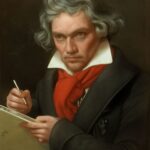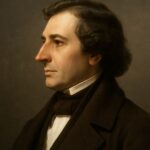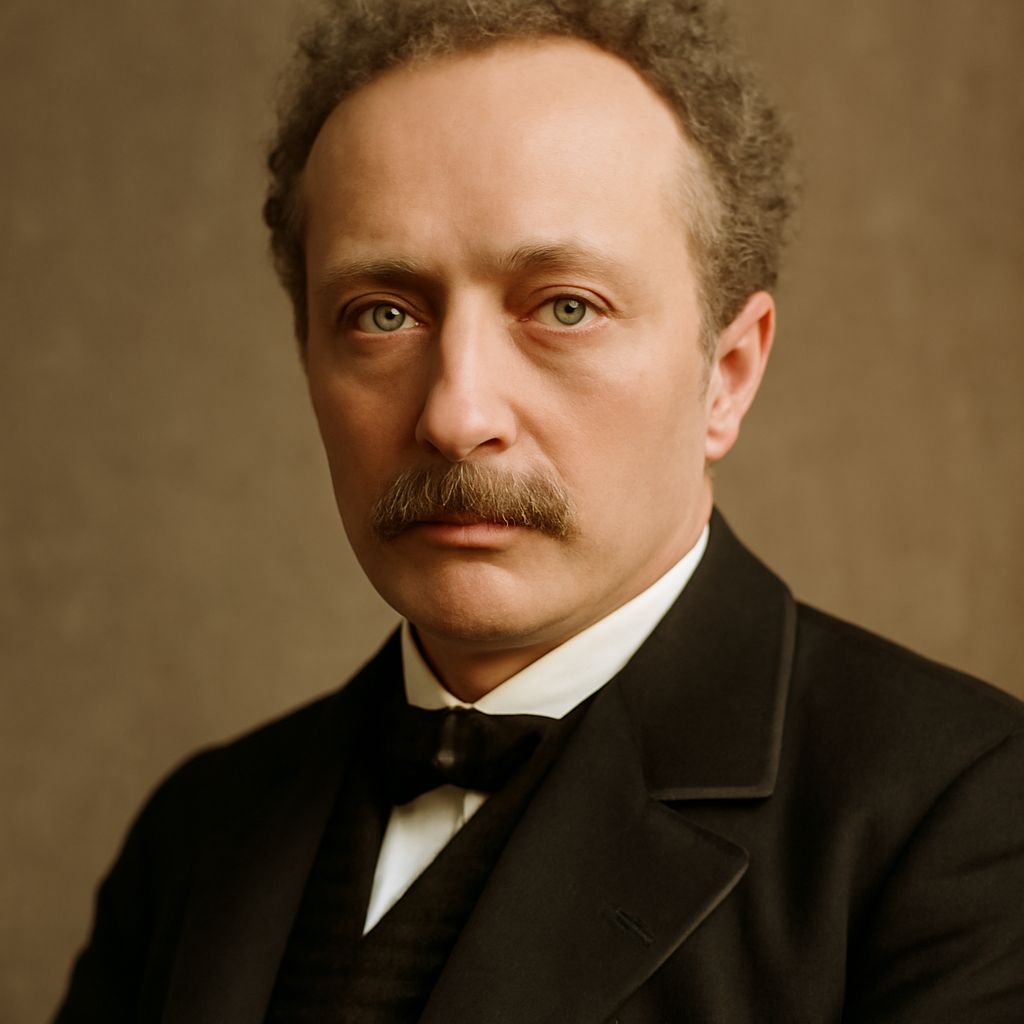
Richard Strauss, a prominent figure in the world of classical music, left an indelible mark on the art form. Known for his innovative compositions and orchestral mastery, Strauss’s contributions continue to resonate with audiences today. Alongside iconic figures like Ludwig van Beethoven and Niccolò Paganini, Strauss’s work has carved out a significant place in the history of music.
Who Was Richard Strauss?
Richard Strauss, born on June 11, 1864, in Munich, Germany, was a prolific composer known for his operas, tone poems, and orchestral works. His father, Franz Strauss, was a well-regarded horn player, which significantly influenced Richard’s early exposure to music. Strauss began composing at a young age, demonstrating a precocious talent that would later define his career. Throughout his life, Strauss composed numerous works that have become staples of the orchestral repertoire, including operas like “Der Rosenkavalier” and tone poems such as “Also sprach Zarathustra.”
Strauss’s Unique Style as a Composer
The style of Strauss as a composer was marked by his innovative use of orchestration and his ability to convey complex emotions through music. He was a master of the tone poem, a form that allows a composer to create a musical narrative without words. Pieces like “Don Juan” and “Till Eulenspiegel’s Merry Pranks” showcase his ability to blend narrative with music, creating vivid auditory experiences. His operas are noted for their lush orchestration and expressive vocal lines, often pushing the boundaries of harmonic language.
Comparing Strauss to Beethoven and Paganini
While Strauss, Beethoven, and Paganini each made significant contributions to music, their styles and influences were distinct. Beethoven, known for his symphonies and sonatas, was a pivotal figure in the transition between the Classical and Romantic eras. His work is characterized by its emotional depth and structural innovations. Paganini, a virtuoso violinist and composer, was celebrated for his technical prowess and showmanship, often pushing the limits of violin technique.
In contrast, Richard Strauss was known for his orchestral compositions and operas. While Beethoven laid the groundwork for orchestral innovation, Strauss expanded on these ideas, incorporating a greater variety of instruments and more complex harmonic structures. His approach to opera was more focused on integrating dramatic narrative with music, distinct from Paganini’s emphasis on solo instrumental performance.
Strauss’s Legacy in Modern Music
The legacy of Richard Strauss in modern music is profound. His influence is evident in the works of later composers who admired his ability to blend narrative and music seamlessly. Film composers, in particular, have drawn inspiration from his dramatic orchestration techniques, with “Also sprach Zarathustra” famously featured in Stanley Kubrick’s “2001: A Space Odyssey.” Strauss’s operas continue to be performed worldwide, appreciated for their rich textures and emotional depth.
In today’s musical landscape, Strauss’s influence can be seen in the way composers approach orchestration and thematic development. His work has paved the way for modern composers to explore new avenues in musical storytelling, cementing his status as a pivotal figure in the evolution of classical music.