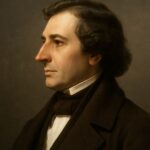
Franz Schubert’s Ave Maria is a cherished composition that has transcended time, captivating audiences with its melodic beauty and emotional depth. Often performed at weddings, funerals, and religious ceremonies, this piece has assumed a significant role in classical music. Yet, many people wonder, who wrote Ave Maria? Let’s delve into the origins of this musical gem and explore the impact Franz Schubert had on its enduring legacy.
Who Wrote Ave Maria?
The hymn Ave Maria is often associated with Franz Schubert, but understanding “who wrote Ave Maria” is slightly more nuanced. Franz Schubert composed the piece in 1825 as part of his Opus 52. However, Schubert’s original composition was not initially intended to be a setting of the traditional Catholic prayer. Instead, it was a musical adaptation of Sir Walter Scott’s poem “The Lady of the Lake,” translated into German by Adam Storck. The piece, originally titled Ellens dritter Gesang (Ellen’s Third Song), became known as Ave Maria because it begins with the words “Ave Maria” when sung in Latin.
The Origins of Ave Maria
The Ave Maria original composed by Franz Schubert was part of seven songs based on Scott’s poem. The setting was initially written for voice and piano, and over time, it has been adapted into numerous arrangements, including versions for orchestra and choir. The melody’s serene and lyrical nature contributed to its adoption into religious contexts, where the Latin text of the “Hail Mary” prayer was later set to Schubert’s music.
While Schubert’s Ave Maria has gained widespread acclaim, it is important to note that other composers, including Johann Sebastian Bach and Charles Gounod, have also created their versions of Ave Maria. However, it is Schubert’s version that remains one of the most popular and frequently performed.
Franz Schubert’s Musical Influence
Franz Schubert’s influence on classical music cannot be overstated, and Schubert’s Ave Maria is a testament to his brilliance. Though Schubert lived a short life, passing away at the age of 31, his contribution to the world of music was vast. Known for his lieder—songs for voice and piano—Schubert’s ability to convey deep emotion and narrative through music has left a lasting impact.
Ave Maria exemplifies Schubert’s gift for melody and his sensitivity to the text, allowing the music to enhance the emotional expression of the words. His style, characterized by lyrical melodies and rich harmonies, has influenced countless composers and continues to be celebrated in concert halls around the world.
In summary, while Franz Schubert is the composer behind the famous Ave Maria, understanding its origins and transformation into a religious staple adds depth to its appreciation. Schubert’s legacy in classical music endures, with Ave Maria serving as a shining example of his genius and enduring influence.