Orchestra sections form the backbone of classical music, giving composers a palette of sounds to express their musical ideas. Whether listening to Beethoven’s symphonies or Paganini’s virtuosic concertos, the way each orchestra section is used shapes the overall sound and emotional impact. Understanding how these sections operate and interact helps listeners appreciate the artistry behind each masterpiece.
What Are the Main Orchestra Sections?
The modern orchestra is divided into four main sections: strings, woodwinds, brass, and percussion. Each section plays a specific role, contributing unique timbres and textures to the ensemble.
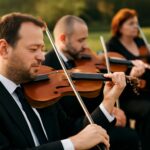
- Strings: This section includes violins, violas, cellos, and double basses. Strings often provide the foundation of the orchestra’s sound, carrying melodies, harmonies, and rhythmic support. Their expressive range allows for both lyrical and dramatic effects.
- Woodwinds: Flutes, oboes, clarinets, and bassoons make up the woodwind section. These instruments offer a variety of colors and can play both melodic and harmonic roles. Woodwinds often add warmth, brightness, or a reedy character depending on the composer’s intent.
- Brass: Trumpets, French horns, trombones, and tubas form the brass section. Brass instruments contribute power and brilliance, often used for climactic moments, fanfares, or to reinforce the harmonic structure.
- Percussion: Percussion covers a wide range of instruments, from timpani (kettledrums) to snare drum, cymbals, and more. While some percussion supplies rhythm and accentuation, others add dramatic emphasis or special effects within orchestral works.
Each orchestra section has its own leader, such as the concertmaster for strings, ensuring coordination and unity. Together, these sections create the dynamic and expressive soundscape that defines orchestral music.
How Beethoven Used Orchestra Sections in His Compositions
Ludwig van Beethoven revolutionized the use of orchestra sections, building on Classical traditions while pushing boundaries. In his symphonies and concertos, Beethoven wrote for all sections with a sense of balance and innovation.
Strings remain central in Beethoven’s works, often introducing key themes and sustaining the musical narrative. For example, the opening of his Fifth Symphony features violins and cellos presenting the iconic four-note motif, which recurs throughout the piece. Beethoven also explores the expressive capabilities of strings, using pizzicato (plucked strings) or rapid bowing for dramatic effect.
Woodwind instruments gain prominence in Beethoven’s orchestration. He frequently assigns important melodic material to flutes, clarinets, and oboes, either alone or in combination. In the Pastoral Symphony, woodwinds depict natural sounds like bird calls, demonstrating their role beyond simple accompaniment.
The brass section in Beethoven’s music adds grandeur and intensity. He uses horns and trumpets to punctuate strong rhythmic passages and amplify climaxes. The famous finale of the Ninth Symphony showcases brass in full force, reinforcing the choral and orchestral unity.
Percussion is generally used sparingly but with great effect. Timpani, in particular, drives the rhythm and underlines major structural points, such as the dramatic entries in the Seventh Symphony’s second movement. Beethoven’s imaginative use of each orchestra section elevates the emotional impact of his compositions.
Paganini’s Approach to Orchestra Sections
Niccolò Paganini is best known as a violin virtuoso, but his concertos reveal a distinctive approach to orchestra sections. In contrast to Beethoven, Paganini’s orchestration often serves to spotlight the solo violin.
Strings continue to play a vital role, usually providing the harmonic support and rhythmic foundation beneath Paganini’s technically demanding violin lines. However, the orchestral strings rarely overshadow the soloist, maintaining a balance that foregrounds virtuosity.
Woodwinds and brass are used more subtly. Paganini employs these sections to add color and highlight transitions between solo passages. For example, clarinets or flutes might echo fragments of the violin theme or introduce a contrasting mood between movements. Brass instruments tend to reinforce the orchestra’s structure without dominating the texture.
Percussion remains limited in Paganini’s works. When used, percussion instruments like timpani accentuate cadences or provide dramatic punctuation, but rarely take center stage. Overall, Paganini’s use of orchestra sections prioritizes clarity and transparency, ensuring the soloist’s brilliance is never obscured.
Comparing Beethoven and Paganini: Section Roles and Styles
While both Beethoven and Paganini wrote for the same main orchestra sections, their compositional goals and treatment of each group differ significantly. Beethoven’s orchestral works aim for structural balance, thematic development, and emotional depth, giving each section opportunities to shine. Strings might dominate, but woodwinds, brass, and percussion are all integral in building drama and texture.
Paganini, on the other hand, uses the orchestra chiefly as a partner to the soloist. His orchestrations are lighter, with sections often playing supportive roles. The strings provide a canvas for the violin’s virtuosity, while woodwinds and brass offer subtle enhancements rather than dramatic contrast. This approach makes Paganini’s music more transparent, focusing attention on the technical feats of the soloist.
In summary, the way orchestra sections are deployed reflects each composer’s artistic priorities: Beethoven employs the full range of orchestral color for expressive power, while Paganini uses the orchestra to frame and elevate the solo instrument. Both approaches continue to shape how we experience classical concert music today.