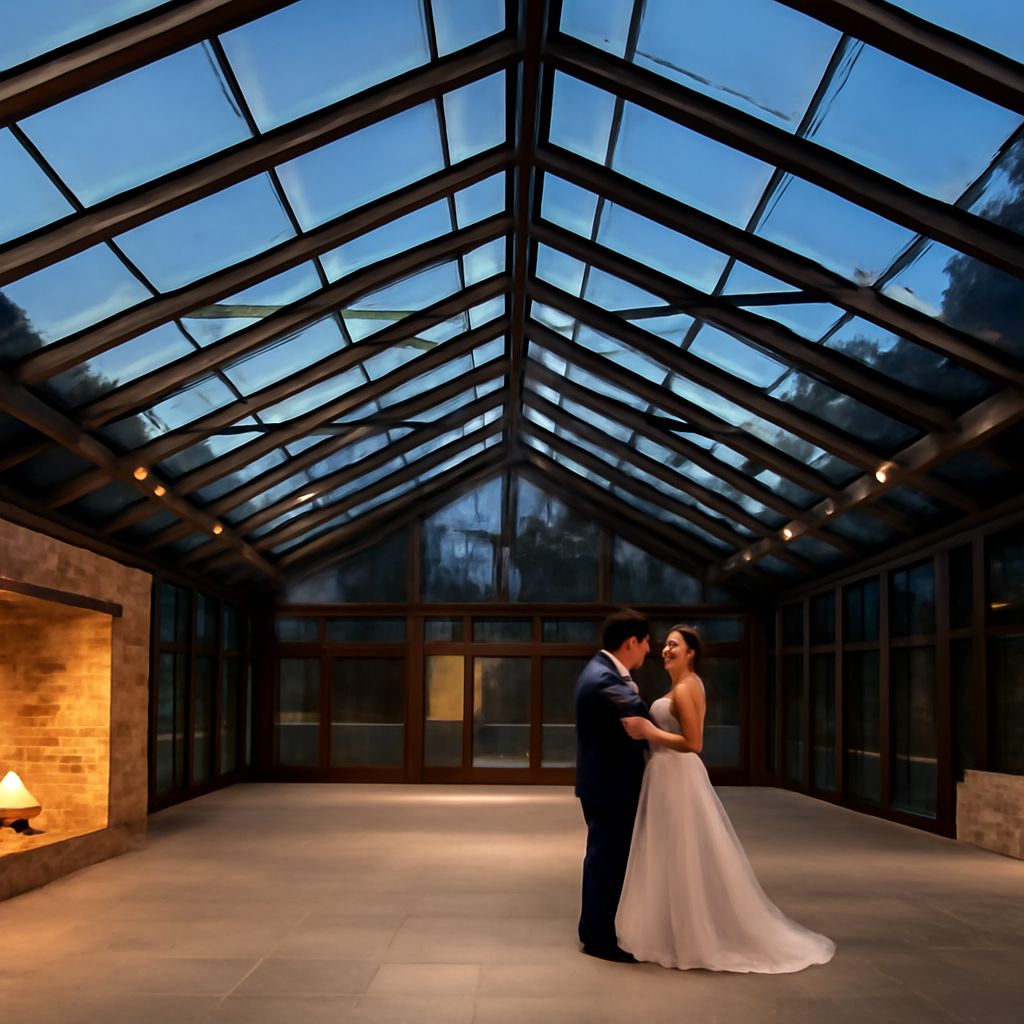
Glasshouse is a standout film in the realm of cult cinema, known for its unique storytelling and captivating themes. This article delves into the intriguing plot, distinctive cinematic style, and the lasting impact it has had on the cult film genre.
The Intriguing Plot of Glasshouse
The film Glasshouse unfolds in a dystopian future where a group of survivors live isolated in a glass-encased sanctuary. This self-sustaining environment protects them from a toxic world outside, but the tension within their fragile refuge is palpable. As the story progresses, the characters grapple with themes of memory, identity, and survival. The arrival of an outsider triggers a series of events that challenge their understanding of the past and the rules that govern their existence.
Unique Themes and Cinematic Style
Glasshouse is celebrated for its exploration of complex themes such as isolation, control, and the fragility of human relationships. The narrative examines how memories shape identity, using the glasshouse itself as a metaphor for transparency and vulnerability. The film’s visual style is equally compelling, employing stark contrasts and a muted color palette to enhance the sense of confinement and vulnerability. Cinematic techniques such as close-ups and slow-motion sequences are used to heighten emotional intensity.
Impact on Cult Cinema
Since its release, Glasshouse has made a significant impact on the cult cinema landscape. Its bold narrative choices and distinct aesthetic have inspired a dedicated following. The film’s exploration of universal themes through a unique lens has sparked discussions and debates among cinephiles, cementing its status as a cult classic. Its influence can be seen in subsequent films that challenge conventional storytelling and visual norms, proving that Glasshouse is not just a film but a piece of art that continues to resonate with audiences worldwide.