Where should a viewer begin with the films directed by Miyazaki, and which titles belong on the list? Start with the twelve theatrical features he directed, from a fleet-footed heist to a dreamlike journey through grief. Every movie Hayao Miyazaki directed in that feature-length group appears below, with its original Japanese release year and a suggestion for finding a path through the work.
The boundary matters. The list includes two films made before Studio Ghibli was founded, alongside his Ghibli features; it excludes shorts, television work, and films on which he worked without directing. Studio Ghibli’s catalog supplies credits and Japanese release dates for the titles it covers, while GKIDS identifies the 1979 debut. The studio described The Boy and the Heron as his twelfth theatrical feature.
All Miyazaki Movies: The Complete Feature List
These twelve Miyazaki-directed features provide a chronological guide to all hayao miyazaki movies in the theatrical feature category. The years refer to first release in Japan, not necessarily the year an American audience first saw each film.
- The Castle of Cagliostro (1979). Gentleman thief Lupin III investigates counterfeit money and becomes involved in a rescue at a fortress full of traps. The action is agile and playful, with an early example of the director’s delight in intricate machines and movement.
- Nausicaä of the Valley of the Wind (1984). A young princess tries to understand a toxic forest and prevent further war. Its striking insects and damaged landscape make an epic adventure out of the need to listen to a threatened world.
- Castle in the Sky (1986). Two young people search for a legendary floating city while pursued by pirates and government agents. Airships, falling bodies, and airborne ruins give the adventure its buoyant sense of scale.
- My Neighbor Totoro (1988). Sisters Satsuki and Mei move to the countryside and encounter extraordinary forest beings. Its pleasures are patient and tactile: rain on an umbrella, a growing seed, a creature waiting at a bus stop.
- Kiki’s Delivery Service (1989). A young witch leaves home and starts a delivery business in a seaside city. Her flights are exhilarating, but the film gives equal weight to work, loneliness, and learning to trust her own abilities.
- Porco Rosso (1992). A pilot with the face of a pig flies over the Adriatic and confronts airborne rivals. The comedy has a melancholy undertow, and its lovingly rendered planes make flying feel like a craft.
- Princess Mononoke (1997). A wounded prince enters a conflict involving a forest, its gods, and the people of an ironworking settlement. Its violence and competing loyalties make this a more demanding choice than the gentler family tales.
- Spirited Away (2001). Chihiro enters a spirit world and must find her way after her parents are transformed. A bustling bathhouse becomes a place of labor, temptation, and astonishing invention.
- Howl’s Moving Castle (2004). A curse transforms young Sophie, drawing her into the orbit of a wizard and his wandering home. Its clattering castle is both a marvel of design and a refuge in a world touched by war.
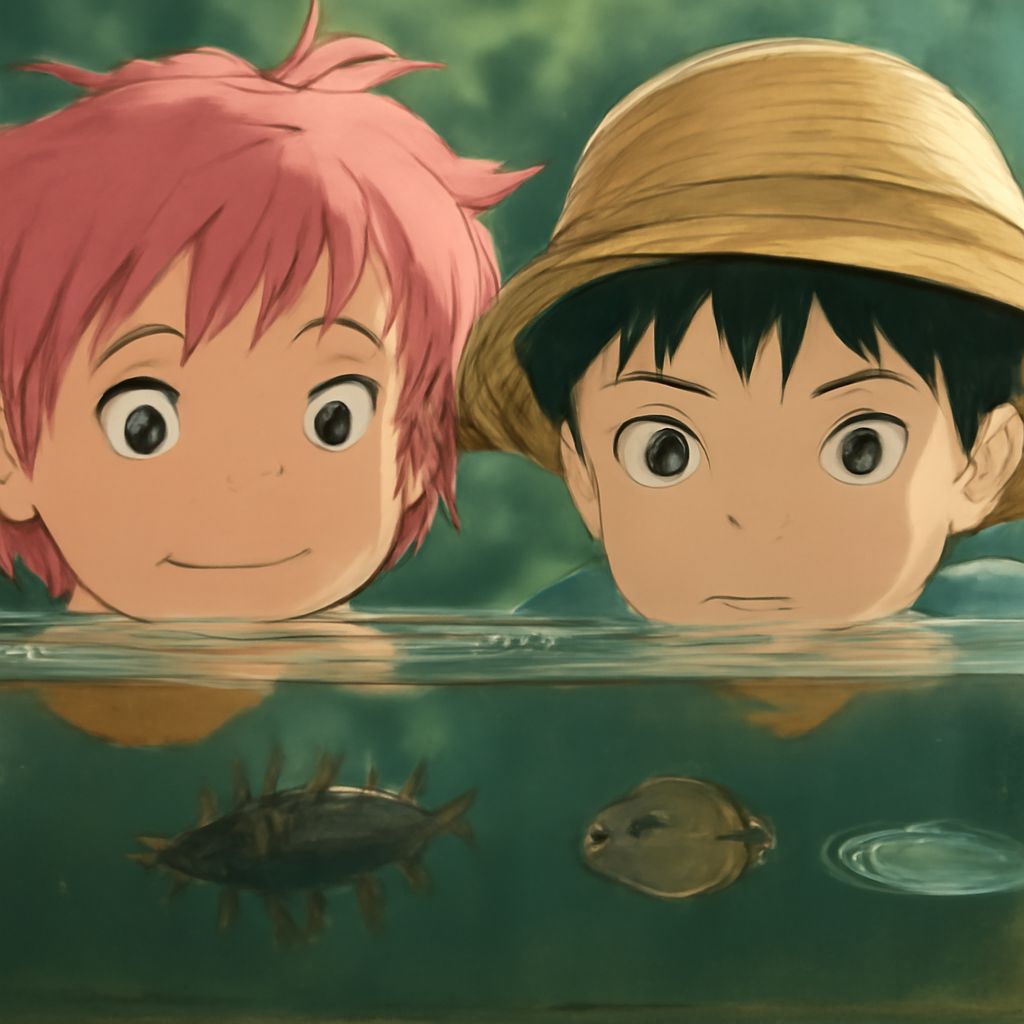
- Ponyo (2008). A small fish who wants to become human befriends a boy named Sōsuke. The sea surges and rolls with exuberant force in a story whose emotional scale is intimate even when nature grows immense.
- The Wind Rises (2013). Inspired by aircraft designer Jiro Horikoshi, the film follows a man’s passion for flight amid illness and the approach of war. Its beauty comes with the troubling knowledge of how his creations will be used.
- The Boy and the Heron (2023). After losing his mother, Mahito follows a mysterious heron toward a strange realm. Its images invite interpretation rather than a single tidy explanation, making it a rich choice for viewers who enjoy ambiguity.
Two Films Before Ghibli
A complete guide needs both early titles. The Castle of Cagliostro was his feature-directing debut, made outside Ghibli. Nausicaä also predates the studio: the Ghibli catalog credits its production to Topcraft, and the studio’s chronology places Ghibli’s founding in 1985. The latter film is often grouped with the studio’s collection, but the production history is worth keeping straight.
Seen together, the early Miyazaki films show a director equally interested in physical motion and the moral consequences of human ambition. The chase in Cagliostro has a different rhythm from the ecological conflict in Nausicaä, yet both reward close attention to how people move through a carefully imagined space.
Directing Versus Other Contributions
Not every feature associated with Miyazaki belongs in a list of his directorial work. For example, he worked on the screenplay and planning for The Secret World of Arrietty (2010), but Hiromasa Yonebayashi directed it. On Only Yesterday (1991), Miyazaki was a production producer; Isao Takahata directed. Ghibli’s credits distinguish those roles. They help a viewer explore Miyazaki’s wider film work without overlooking the artists who shaped each film as director.
A complete list of Miyazaki’s movies is therefore a useful map, not a measure of every collaboration. Miyazaki films can also be read alongside films he wrote or produced, with the credits open for comparison. This view of Miyazaki’s movies makes it easier to see what changes when another filmmaker takes the lead.
Choose a Route Through the Work
For a first encounter, Totoro offers a gentle welcome; Spirited Away offers a larger, stranger world with a clear emotional center. Viewers who prefer action can pair Cagliostro with Castle in the Sky, while those interested in aviation can move from Porco Rosso to The Wind Rises. The contrast between playful adventure and historical tragedy is especially revealing.
Watching all Miyazaki movies in order lets recurring images of flight, work, and transformed landscapes gather meaning over time. Another approach is to compare every feature directed by Hayao Miyazaki through one visual motif, such as a character looking down from the air. Across Miyazaki films, flight can suggest freedom, danger, or responsibility; the feeling changes with the story. Choose one of those routes, then put its first film on your watchlist now.