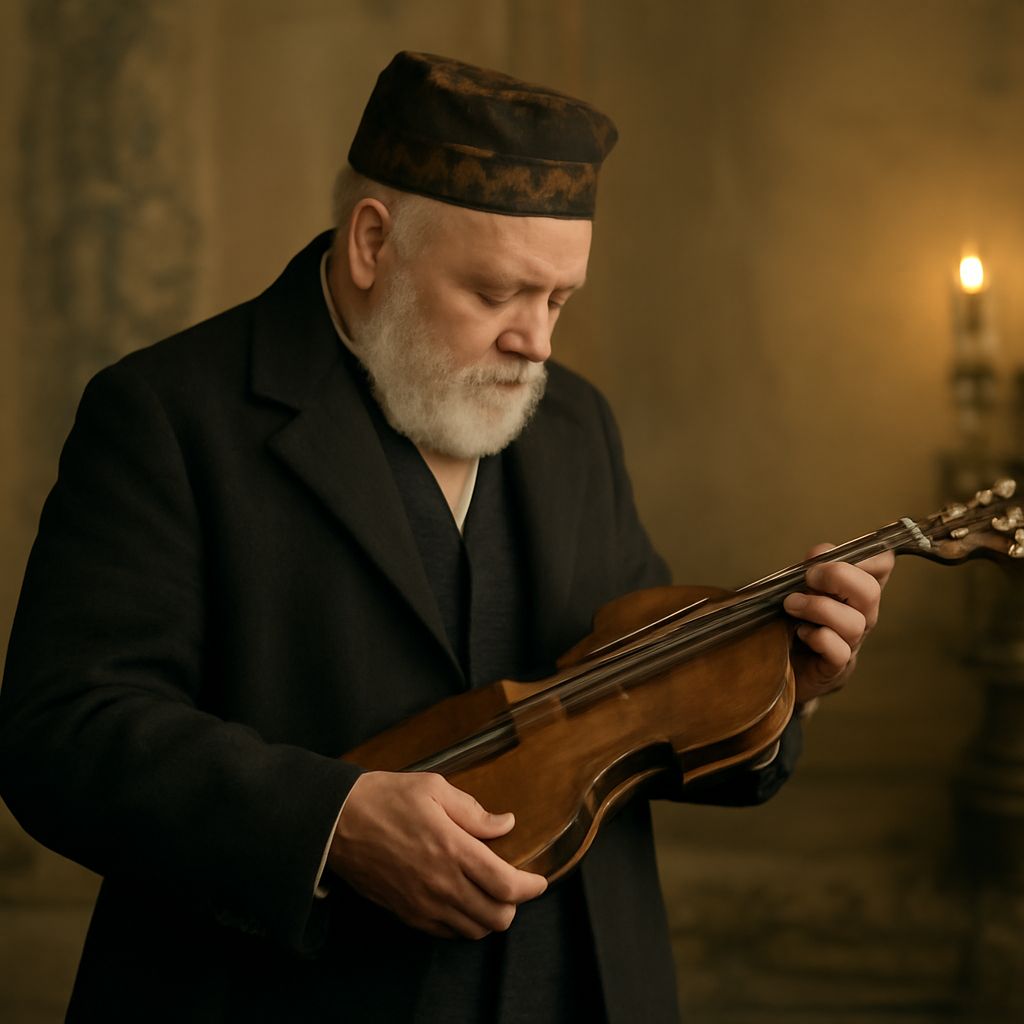
The violin, a cornerstone of classical music, has a rich and intricate history. While it is challenging to pinpoint exactly who invented the violin, the instrument’s development can be attributed to a combination of influences and innovations over time. This article explores the key figures and milestones that have shaped the evolution of the violin, including its origins and the contributions of legendary musicians like Beethoven and Paganini.
The Origins of the Violin
The origins of the violin can be traced back to the early stringed instruments of the Middle Ages and Renaissance. Instruments such as the rebec and the vielle were precursors to the modern violin. These early instruments were popular in Europe, particularly in the 15th and 16th centuries, and laid the groundwork for the violin’s development.
The design of these instruments evolved over time, incorporating features such as a more pronounced body shape and the addition of a fingerboard. The transformation from these early forms to the violin we recognize today was gradual, involving input from various artisans and musicians across Europe.
Amati, Stradivari, and the Birth of the Violin
The creation of the modern violin is often attributed to the Italian luthiers of the 16th and 17th centuries. Andrea Amati, born in Cremona, Italy, is frequently credited with crafting the first known violins. His work set the standard for the violin’s design, including its shape, size, and tuning.
The Amati family continued to refine the instrument, with Andrea’s descendants, particularly Nicolò Amati, contributing to its development. The legacy of the Amati family paved the way for other renowned Cremonese luthiers, such as Antonio Stradivari.
Antonio Stradivari is perhaps the most famous violin maker in history. His violins, known for their exceptional craftsmanship and sound quality, are still highly sought after today. Stradivari’s innovations further perfected the instrument, cementing its place in the annals of music history.
Beethoven’s Influence on Violin Music
Ludwig van Beethoven, although not directly involved in the creation of the violin, played a significant role in its musical evolution. His compositions expanded the violin’s expressive capabilities, challenging musicians to explore new techniques and emotional depths.
Beethoven’s violin sonatas and concertos remain central to the violin repertoire, showcasing the instrument’s versatility and range. His work inspired future composers and contributed to the violin’s prominence in orchestral and chamber music settings.
Paganini: The Violin Virtuoso
Nicolò Paganini, an Italian violinist and composer, revolutionized violin performance through his unparalleled technique and showmanship. Born in 1782, Paganini’s virtuosity astounded audiences and set new standards for violin playing.
Paganini’s compositions, including the 24 Caprices, were designed to push the limits of the instrument, introducing innovative techniques such as left-hand pizzicato and extensive use of harmonics. His influence is evident in the works of later composers and continues to inspire violinists worldwide.
In conclusion, while it is difficult to single out who invented the violin, the instrument’s creation and development were the result of contributions from numerous craftsmen and musicians. From the foundational work of the Amati family to the legendary performances of Paganini, the violin has evolved into a beloved and iconic instrument that continues to captivate audiences with its rich history and expressive potential.