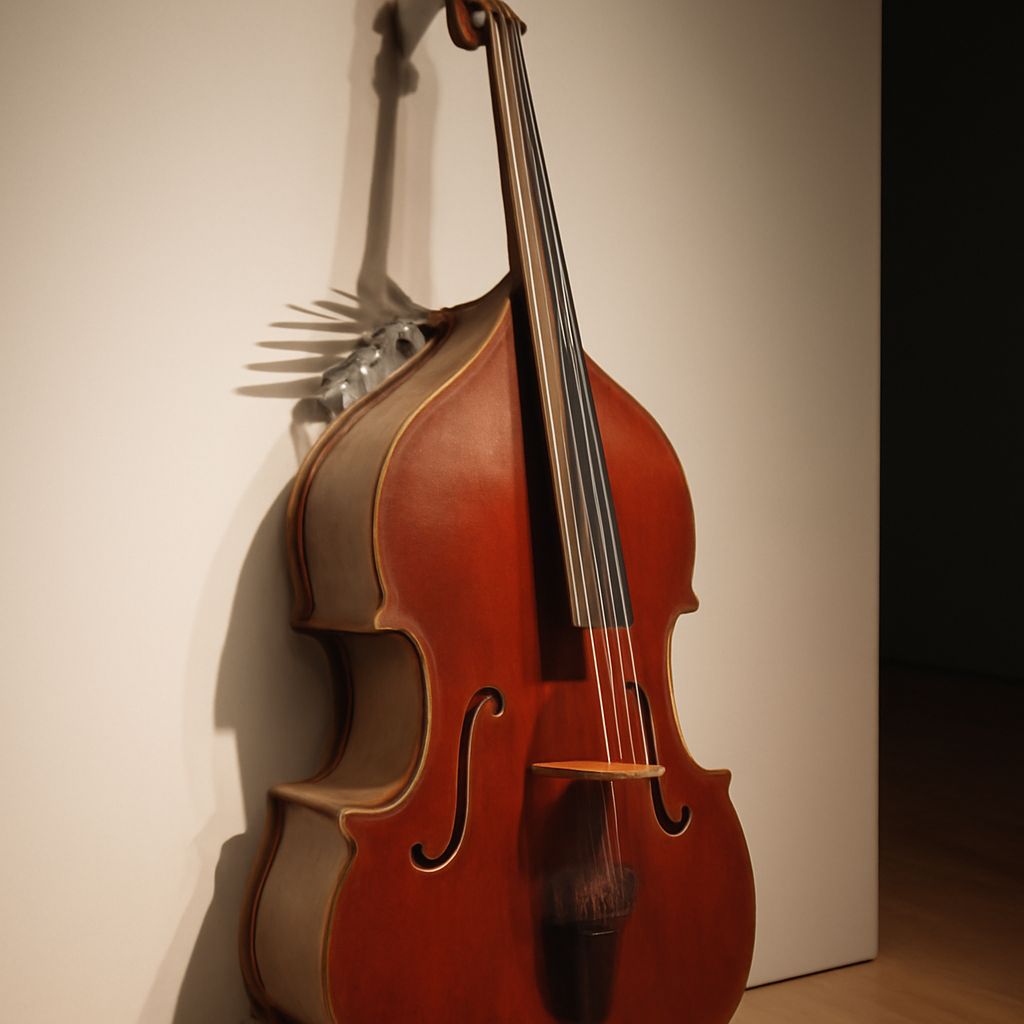
The world of violins is vast and varied, with big violins capturing a unique corner of this musical landscape. Big violins, often referred to as giant violins, intrigue musicians and audiences alike with their colossal size and distinct sound. This article delves into the history, unique sound, and cultural significance of these fascinating instruments.
The History of Big Violins
The history of big violins dates back several centuries. These oversized instruments were initially crafted as experimental pieces to explore the limits of string instrument design. One of the earliest known big violins is the octobass, created in the mid-19th century by Jean-Baptiste Vuillaume, a renowned French luthier. The octobass stands over 11 feet tall and requires special mechanisms to play. Over time, luthiers and musicians have continuously pushed the boundaries, refining the design and acoustics of these giant violins.
The Unique Sound of Giant Violins
Giant violins are known for their deep, resonant tones that distinguish them from their smaller counterparts. The larger body and longer strings of these instruments allow for a broader range of sound frequencies, resulting in a richer and more profound auditory experience. Musicians often describe the sound of a giant violin as both powerful and haunting. The unique acoustics of big violins make them suitable for specific musical compositions and genres, particularly those that benefit from deep bass notes and a full-bodied sound.
Cultural Significance in Music
The cultural significance of big violins extends beyond their sound and size. These instruments have become symbols of innovation and artistic expression within the music community. In orchestras, the presence of a giant violin can add a visual and auditory dimension to performances, amplifying the impact of the music. Additionally, big violins often appear in cultural exhibitions and music festivals, showcasing the craftsmanship and creativity involved in their creation. As both historical curiosities and modern marvels, big violins continue to inspire awe and admiration in the world of music.