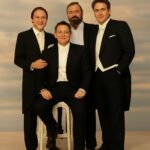
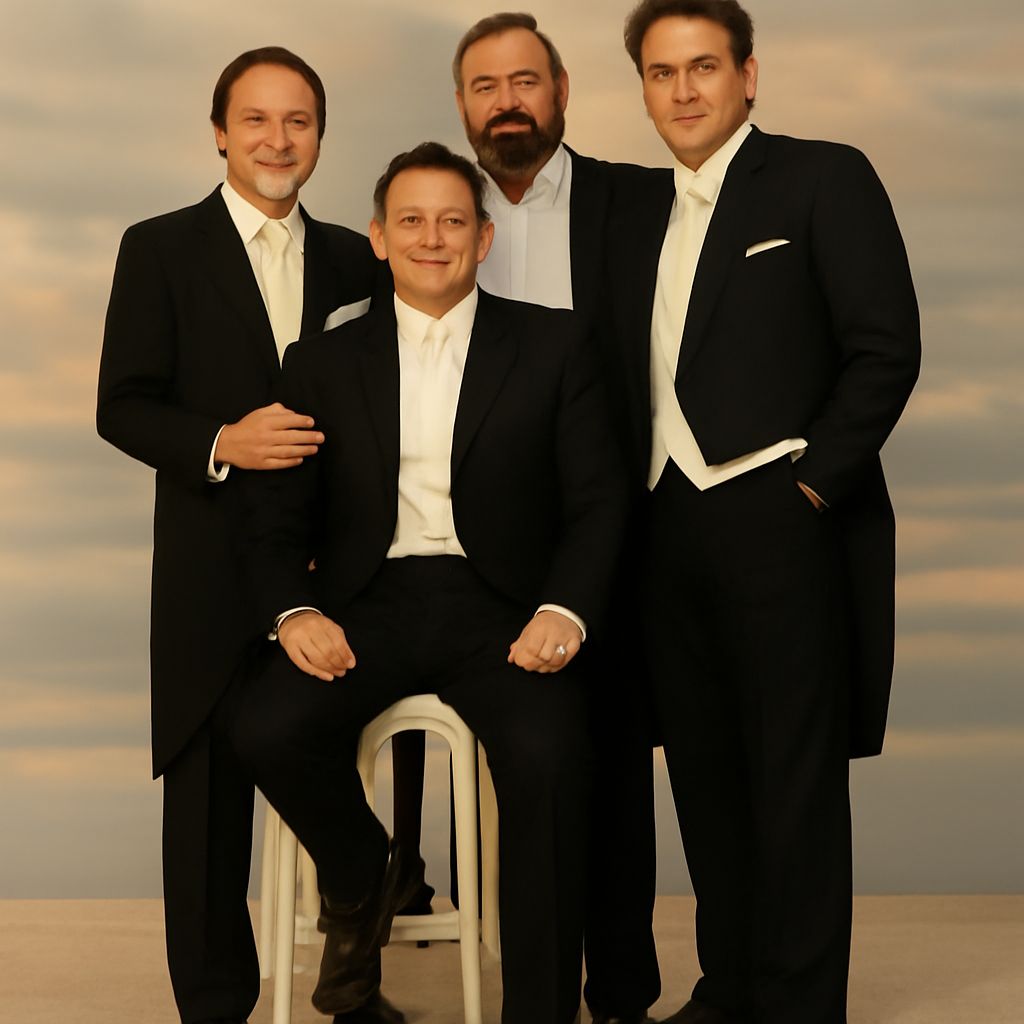
The Three Tenors names—Luciano Pavarotti, Plácido Domingo, and José Carreras—became synonymous with vocal brilliance and international stardom in the late 20th century. These three world-renowned operatic tenors joined forces to create a musical phenomenon that bridged classical and popular music, captivating millions around the globe. Their collaborative performances not only made opera accessible to a wider audience but also set new standards for live concerts and classical recordings.
Who Are The Three Tenors?
The phrase “The Three Tenors” refers specifically to Luciano Pavarotti, Plácido Domingo, and José Carreras, each a celebrated operatic tenor in his own right before they united as a trio. Their collaboration began with a single concert but soon developed into a worldwide sensation. The group’s debut performance at the ancient Baths of Caracalla in Rome on July 7, 1990, was timed to coincide with the FIFA World Cup Final held in Italy. The televised concert was watched by an estimated 800 million people, instantly establishing The Three Tenors as a household name.
Prior to joining forces, each tenor had an impressive solo career, headlining major opera houses and earning accolades for their vocal prowess and dramatic interpretations. The idea to bring them together was inspired by a desire to celebrate Carreras’s recovery from leukemia and to unite three of opera’s leading voices in a spirit of camaraderie and mutual respect. What started as a one-time charity event quickly evolved into a global concert series, breaking records for live concert attendance and classical music sales.
Their concerts were marked by a unique blend of operatic masterpieces, Neapolitan songs, and popular classics, all performed with dazzling vocal technique and charismatic stage presence. By appealing to both opera devotees and newcomers alike, The Three Tenors introduced millions to the beauty of classical vocal music.
The Names and Backgrounds of The Three Tenors
Luciano Pavarotti was born in Modena, Italy, in 1935. He became known for his unmistakably rich, high tenor voice, his clear diction, and his larger-than-life personality. Pavarotti’s signature roles included the Duke in Verdi’s “Rigoletto” and Puccini’s Rodolfo in “La Bohème.” He was particularly celebrated for his performances of “Nessun Dorma” from Puccini’s “Turandot,” a piece that would become inseparable from his identity as a member of The Three Tenors.
Plácido Domingo, born in Madrid, Spain, in 1941, is renowned for his remarkable vocal versatility and stamina. Not only has he performed more leading tenor roles than any other singer in operatic history, but he has also ventured into baritone repertoire and worked as a conductor. Domingo’s deep musical intelligence and emotional depth made his performances compelling, and he brought significant international attention to Spanish opera and zarzuela.
José Carreras, born in Barcelona, Spain, in 1946, is known for the lyrical beauty and expressive warmth of his voice. Carreras rose to international prominence in the 1970s, singing major roles at the world’s top opera houses. His career was interrupted by a leukemia diagnosis in 1987, but after a successful medical battle and a triumphant return to the stage, he became an inspiration to audiences and colleagues alike. The collaboration with Pavarotti and Domingo was, in part, a celebration of his personal and professional resilience.
Together, these three tenors represented the height of operatic artistry, each bringing distinct stylistic qualities and cultural backgrounds to their shared performances.
Why The Three Tenors Became a Global Phenomenon
The Three Tenors became a global phenomenon for several reasons. Their first concert’s timing during the 1990 FIFA World Cup gave them unprecedented international exposure, introducing their voices to sports fans and music lovers alike. The concert’s diverse program, featuring both opera arias and popular songs, made classical music accessible and appealing to a much broader audience than traditional opera ever had.
Their charismatic personalities, friendly onstage banter, and mutual admiration broke down stereotypes of opera as elitist or overly formal. Audiences were delighted by their willingness to have fun, occasionally engaging in playful vocal “competitions” that showcased both their technical skill and their good humor. The trio’s chemistry was evident, and their ability to connect with the crowd set a new benchmark for live classical performances.
Commercially, The Three Tenors shattered records. Their debut album became the best-selling classical album of all time, and subsequent world tours filled stadiums and arenas usually reserved for rock stars. Their concerts were broadcast on television, making their music available to millions who might never have attended a traditional opera performance. This unprecedented success demonstrated the universal appeal of great singing, regardless of genre.
Their Legacy in Classical Music Today
The Three Tenors left an indelible mark on classical music and popular culture. Their collaborations inspired countless crossover projects and introduced new generations to the joys of opera. Many current opera stars cite their concerts as a formative influence, and the trio’s recordings continue to reach listeners worldwide.
They also proved that classical musicians could achieve pop-star status and helped to pave the way for new approaches to marketing and presenting classical music. Their model of blending high art with popular entertainment challenged industry norms and expanded the possibilities for classical artists.
Today, the names of The Three Tenors—Luciano Pavarotti, Plácido Domingo, and José Carreras—are remembered not only for their individual greatness but also for their shared legacy of making opera a global celebration. Their iconic performances remain benchmarks of vocal excellence, and their influence endures in both the opera world and the hearts of audiences everywhere.