The top violinists are best understood not through fame alone but through technical command, interpretive depth, repertoire, recordings, and historical influence. This guide highlights famous male violinists from the 19th century to today, including Paganini, Joachim, Kreisler, Heifetz, Milstein, Oistrakh, Perlman, Kremer, and Vengerov.
The label greatest violinist has no single objective winner. Comparing technique, musical judgment, stylistic range, documented performances, and influence gives a more useful answer than popularity or sales.
How to compare top violinists and identify the greatest violinist
Compare a violinist across five questions: How secure and flexible is the technique? Does interpretation reveal a personal voice while respecting the score? Is the repertoire unusually broad or especially authoritative in a defining area? Do recordings preserve performances that remain models for listeners? Finally, did the player change teaching, composition, performance practice, or the instrument’s public possibilities?
These tests reward both spectacular virtuosity and quieter forms of authority, so a lyrical specialist can stand beside a technical pioneer without forcing them into a false ranking.
Historic virtuosos who shaped violin playing: Paganini, Joachim, and Kreisler
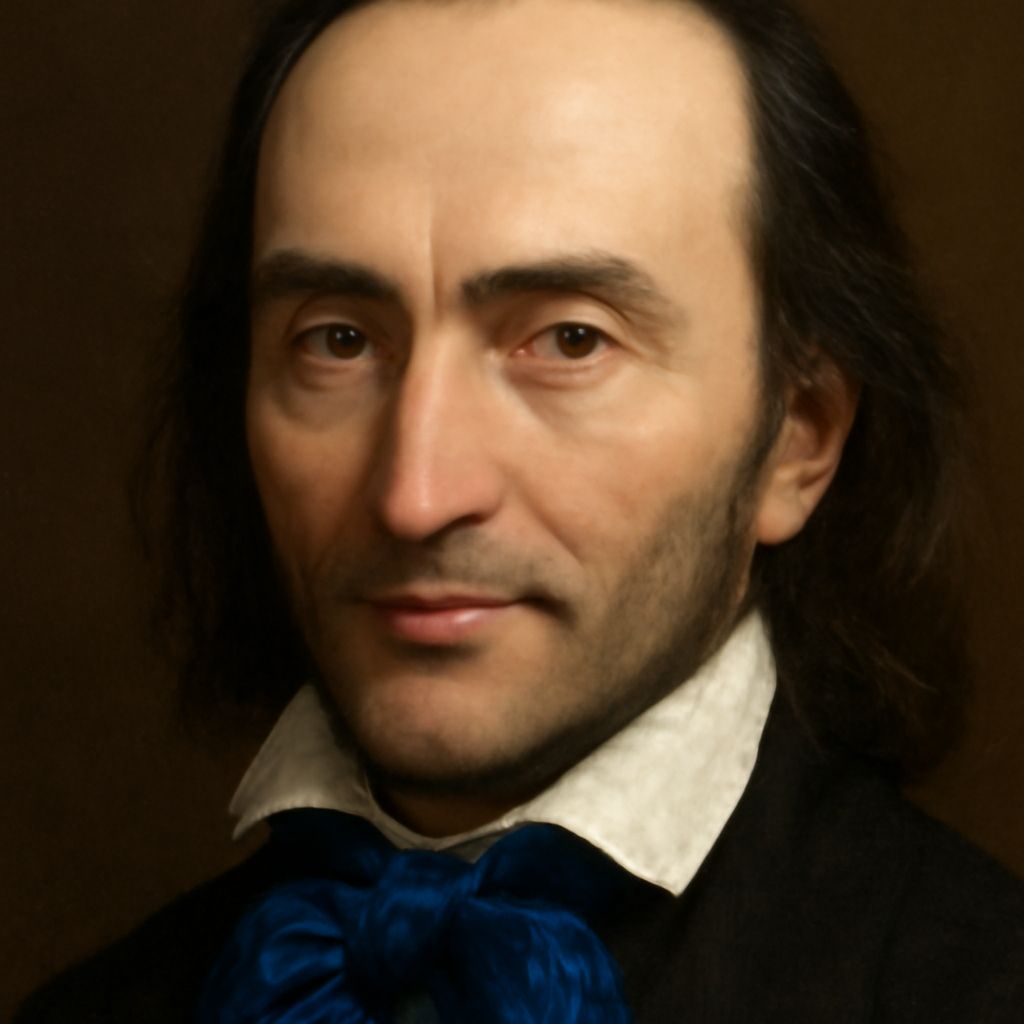
Niccolò Paganini (1782–1840) transformed the image of the virtuoso. His left-hand agility, harmonics, rapid string crossing, and theatrical flair made the 24 Caprices a technical landmark. His First Violin Concerto and solo works also influenced later composers, even when their bravura overshadowed their musical architecture.
Joseph Joachim (1831–1907) supplied a contrasting ideal: intellectual seriousness, warm tone, and fidelity to musical structure. His performances and editions of Bach helped establish the solo sonatas and partitas as central repertoire. He also premiered Brahms’s Violin Concerto, shaping its performance tradition through close collaboration with the composer.
Fritz Kreisler (1875–1962) made elegance and conversational phrasing sound effortless. His recordings of Mozart, Beethoven, and Brahms show a supple, singing style, while pieces such as Liebesleid became enduring encores. His miniatures broadened the recital’s expressive palette as salon music and virtuoso character pieces.
Influential recording-era violinists: Heifetz, Milstein, and Oistrakh
Jascha Heifetz (1901–1987) became a benchmark for intonation, bow control, rhythmic precision, and economy of motion. His accounts of the Tchaikovsky, Sibelius, and Prokofiev concertos are powerful without sounding casually indulgent. The recordings show how clean articulation can intensify, rather than flatten, drama.
Nathan Milstein (1903–1992) paired polished technique with an aristocratic, singing line. His Bach and Paganini recordings are valued for clarity and proportion: virtuosity serves the phrase instead of interrupting it. He also left a widely admired reading of the Mendelssohn Concerto, an entry point to his refined style.
David Oistrakh (1908–1974) represented a broader, warmer Soviet tradition. A large sound, generous phrasing, and unfailing musical balance suited the Brahms, Sibelius, and Shostakovich concertos. His collaborations with Shostakovich and Khachaturian give his discography special historical weight.
Leading contemporary male violinists: Perlman, Kremer, and Vengerov
Itzhak Perlman (born 1945) combines a richly vocal tone with formidable security and communicative directness. His recordings of Tchaikovsky, Saint-Saëns, and violin sonatas show how warmth can coexist with detail. His performances and teaching have also made high-level classical violin unusually visible to broad audiences.
Gidon Kremer (born 1947) stands out for curiosity and interpretive risk. Alongside Bach and standard concertos, he has championed Schnittke, Pärt, and other modern composers, often favoring lean sonorities and sharply observed phrasing. His influence lies in expanding the violinist’s repertoire.
Maxim Vengerov (born 1974) brings athletic command, a powerful tone, and a strong instinct for large-scale drama. His readings of the Shostakovich, Prokofiev, and Sibelius concertos demonstrate why he belongs among leading contemporary players. He also connects virtuoso performance with conducting and musical education.