
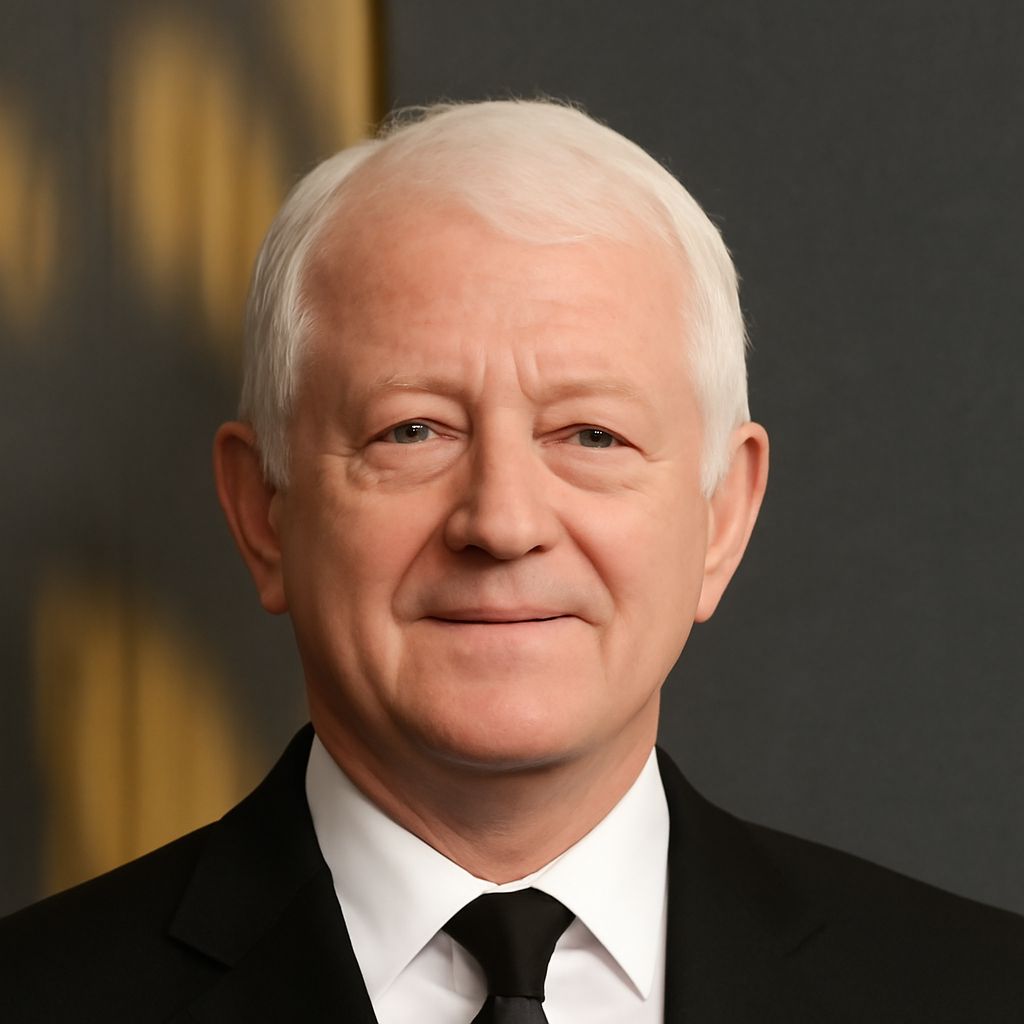
Richard Curtis stands as one of the most influential figures in modern British cinema, recognized for his heartwarming storytelling, sharp wit, and enduring impact on romantic comedy. His work as a screenwriter, director, and producer has shaped the tone of contemporary film and television, bringing a unique blend of humor and humanity to audiences worldwide. From iconic films to charitable ventures, Curtis’s contributions extend well beyond the screen.
Who Is Richard Curtis?
Richard Curtis is a British screenwriter, director, and producer born on November 8, 1956, in Wellington, New Zealand. Raised in the UK, he attended Oxford University, where he met Rowan Atkinson and began his career in comedy writing. Curtis first rose to prominence in the 1980s, co-writing the hit television series Blackadder with Atkinson and Ben Elton. His writing style quickly became known for its clever dialogue and uniquely British humor.
While Curtis is best known for his work in romantic comedies, his career spans across television and film, as well as notable campaigns for charitable causes. His creative vision has helped define popular British culture, making him a household name both in the UK and around the world.
In addition to his screenwriting and directing talents, Richard Curtis is the co-founder of Comic Relief, a major charitable organization in the UK. This venture further showcases his commitment to using his platform for positive social impact, blending entertainment with philanthropy.
Major Works and Career Highlights
Richard Curtis’s filmography is packed with critically acclaimed and commercially successful projects. His breakthrough in film came with the screenplay for Four Weddings and a Funeral (1994), a romantic comedy that became the highest-grossing British film at the time and received two Academy Award nominations. This success cemented Curtis’s reputation as a master of the genre.
He followed up with the beloved Notting Hill (1999), starring Julia Roberts and Hugh Grant. The film’s clever writing, memorable characters, and iconic London setting made it another worldwide hit. Curtis’s talent for capturing the complexities of love and relationships with warmth and humor continued with Bridget Jones’s Diary (2001), which he co-wrote, and Love Actually (2003), marking his directorial debut. Love Actually has become a holiday staple, celebrated for its interwoven stories and ensemble cast.
Other significant works include The Boat That Rocked (2009), a comedy about a pirate radio station in the 1960s, and About Time (2013), which blends romantic comedy with elements of fantasy. Curtis also contributed to the screenplays of several episodes of the television series Mr. Bean and The Vicar of Dibley, further demonstrating his range across comedic formats.
Throughout his career, Curtis has collaborated with some of the most talented actors and filmmakers in the industry, consistently delivering stories that resonate with both British and international audiences.
Richard Curtis’s Influence on Film and Culture
Richard Curtis’s influence on the romantic comedy genre is both profound and enduring. His scripts are characterized by witty dialogue, rich emotional depth, and an unmistakable sense of optimism. He often crafts ensemble casts and interconnected storylines, allowing for multiple perspectives on love and human connection. This approach, especially seen in Love Actually, has been widely imitated in film and television.
Curtis’s films helped redefine the image of British cinema, moving it away from gritty realism to a more uplifting and accessible style. His portrayal of London as a romantic, vibrant city has contributed to the global appeal of his movies, making British locations iconic backdrops for love stories.
Beyond the screen, Curtis has made a significant impact through his commitment to charity. As co-founder of Comic Relief and Red Nose Day, he has combined entertainment with fundraising, raising millions for charitable causes and inspiring similar events internationally. His work demonstrates how storytelling and humor can be powerful tools for social change.
Many filmmakers cite Curtis as a major inspiration, and his films have paved the way for a new generation of romantic comedies. The balance of humor, heart, and hope in his stories continues to shape both British and international cinema.
Awards and Recognition
Richard Curtis has received numerous accolades for his work in film and television. He was appointed Commander of the Order of the British Empire (CBE) in 1994 and received a knighthood in 2021 for his services to entertainment and charity. His films have been recognized with BAFTA Awards, including a BAFTA Fellowship in 2007, the organization’s highest honor.
Four Weddings and a Funeral garnered two Academy Award nominations, while Notting Hill and Love Actually have received multiple nominations and wins at the British Comedy Awards and Empire Awards. Curtis’s unique ability to blend comedy with poignant storytelling has earned him both critical and popular acclaim.
In addition to industry awards, Curtis’s impact is measured by the lasting popularity of his films and the success of his philanthropic efforts. Comic Relief and Red Nose Day have raised over £1 billion for charity, solidifying his legacy as a creator who has made a difference both on and off the screen.
Richard Curtis’s enduring influence on British cinema and culture is reflected in the many honors he has received, as well as the continued admiration of audiences and fellow filmmakers alike.