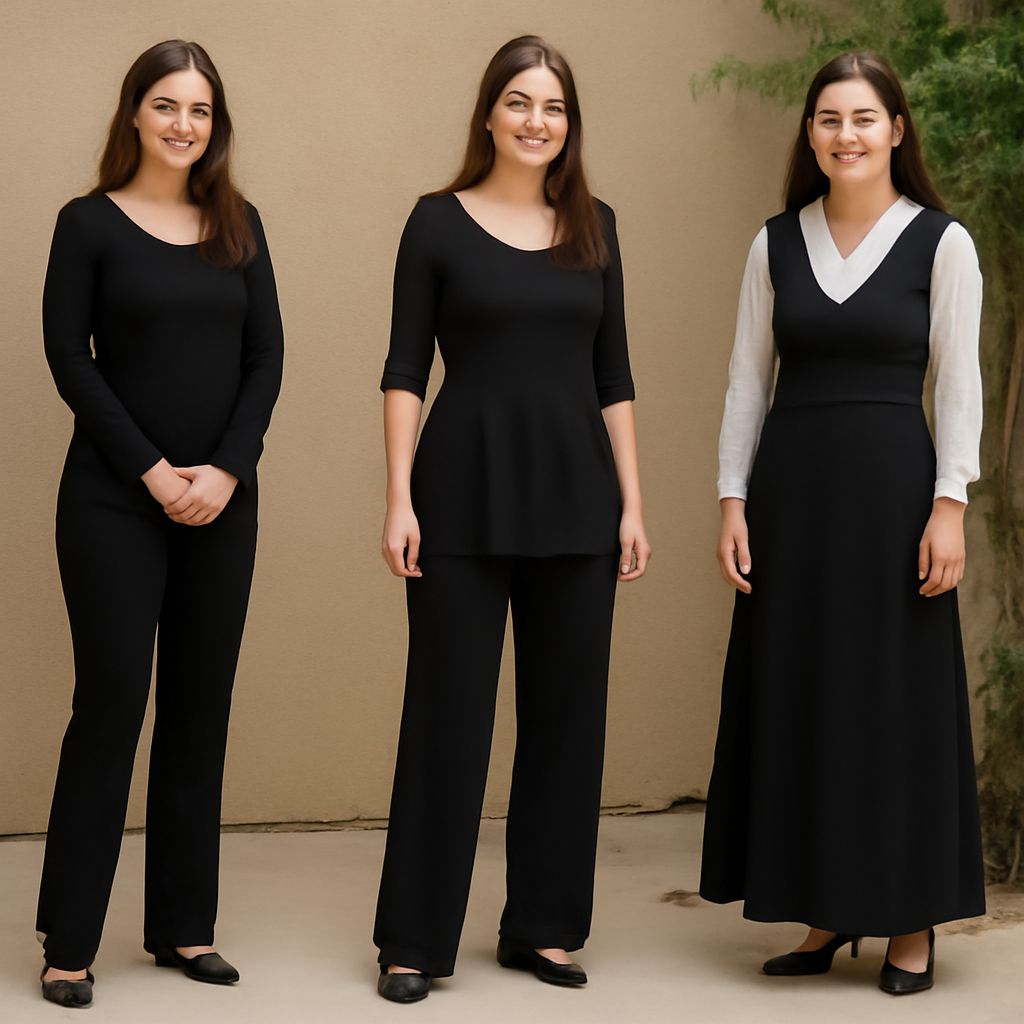
Concert black is the traditional dress code for musicians performing works by Beethoven, Paganini, and other classical composers. It refers to an all-black outfit designed to look cohesive, professional, and understated on stage. For performers, concert black is not just a uniform but a practical standard that emphasizes music and ensemble unity over individual appearance. Whether you are preparing for an orchestra, chamber, or solo concert, understanding what counts as concert black, why it’s used, and how to select and wear it comfortably will help you present your best self in performance.
What Does Concert Black Mean for Musicians?
Concert black is a specific style of attire required for most classical music performances. The essential rule is that the outfit must be entirely black, including shoes and, when possible, accessories. This means no visible patterns, logos, or colors other than black. The fabrics should be matte or only subtly reflective to avoid drawing attention under stage lights.
For men, concert black usually means a black long-sleeved button-down shirt, black dress pants or slacks, black socks, and black dress shoes. A black jacket or blazer may be required for formal ensembles, but is usually optional for chamber or student groups. Ties are sometimes optional, but when required, should also be plain black.
For women, the options are broader but still strict: black blouses or dress shirts with black skirts or pants, black dresses with modest hemlines and necklines, or tailored black jumpsuits. Shoulders and knees should be covered in most cases, especially in more formal settings. Footwear should be black and closed-toed, suitable for walking on and off stage quietly. Jackets, shawls, or cardigans in black are often used for added coverage or warmth, but should not include sequins, lace, or embellishments that catch the light.
Accessories are kept minimal. Jewelry should be small and, if possible, black or silver rather than brightly colored. Hair ties, headbands, and clips should also blend into the all-black theme.
Why Is Concert Black the Standard for Beethoven and Paganini?
The tradition of concert black attire for Beethoven, Paganini, and broader classical repertoire serves several purposes. The primary reason is to maintain unity and focus within the ensemble. When each musician wears the same color, the audience’s attention stays on the music rather than on individual performers. This is especially important in orchestras, where uniformity helps create a visually cohesive group on stage.
The use of concert black also reflects respect for the composers and the tradition of classical music performance. Beethoven and Paganini are among the most revered figures in Western music, and their works are typically presented in formal concert settings that call for a dignified appearance. All-black attire is considered both somber and elegant, qualities associated with the seriousness of the repertoire.
Another practical reason for concert black is its effect under stage lighting. Black clothing does not reflect colored lights or create distracting visual elements, reducing the risk of glare or unevenness in photos or video recordings. This is especially important in live concerts where audiences or broadcast cameras may capture the performance from multiple angles.
Finally, concert black is inclusive and practical. It allows musicians of all genders, body types, and economic backgrounds to dress appropriately without the expense or pressure of fashion competition. Many ensembles provide clear guidelines to ensure consistency and avoid uncertainty.
Choosing the Right Concert Black Attire
Selecting concert black for a Beethoven or Paganini performance means more than wearing black clothes—it’s about meeting ensemble expectations and ensuring comfort for long rehearsals and performances. Start by checking your ensemble’s specific requirements; some groups maintain very precise guidelines regarding sleeve length, skirt or pant length, and shoe style.
When shopping or assembling your outfit, prioritize fit and movement. Performers need to play instruments, bow, and move on stage without hindrance. Choose breathable, wrinkle-resistant fabrics such as cotton blends, wool, or polyester that hold their shape. Avoid materials that easily show lint or pet hair, as this can undermine the polished effect. Try on the full outfit in advance, including shoes, to check for comfort, noise, and suitability for your instrument.
If you need to purchase new items, many retailers offer affordable concert black basics, often marketed as musician attire. Specialty shops may offer performance-oriented designs, such as stretch waistbands, moisture-wicking shirts, or quiet-soled shoes. Thrift stores and online marketplaces can be excellent sources for budget-friendly options, especially for one-time performances. Always confirm that your selection matches the ensemble’s dress code before the concert day.
Practical Tips for Performing in Concert Black
On concert day, take a few extra steps to ensure your concert black attire remains presentable and comfortable throughout your performance. Iron or steam your clothing to remove wrinkles. Use a lint roller to clear off dust or pet hair, especially on darker fabrics where it is more visible. Bring travel-size stain removers in case of emergency spills backstage.
Choose undergarments that do not show through thin fabrics or create visible lines. For women, consider undershirts or slips if needed. Make sure your shoes are broken in to avoid blisters, and consider cushioned insoles for long hours standing or sitting.
Keep your hair and accessories tidy and understated. Secure long hair away from your face and instrument, and make sure hair clips or ties are black. Limit jewelry to simple, non-distracting pieces. If you use sheet music, avoid brightly colored folders or stands—black or neutral colors fit the concert black aesthetic best.
Finally, pack a spare pair of black socks or hosiery and any necessary repairs supplies, such as safety pins or a small sewing kit, in your instrument bag. Staying prepared lets you focus on delivering a confident, polished performance of Beethoven or Paganini in true concert black tradition.