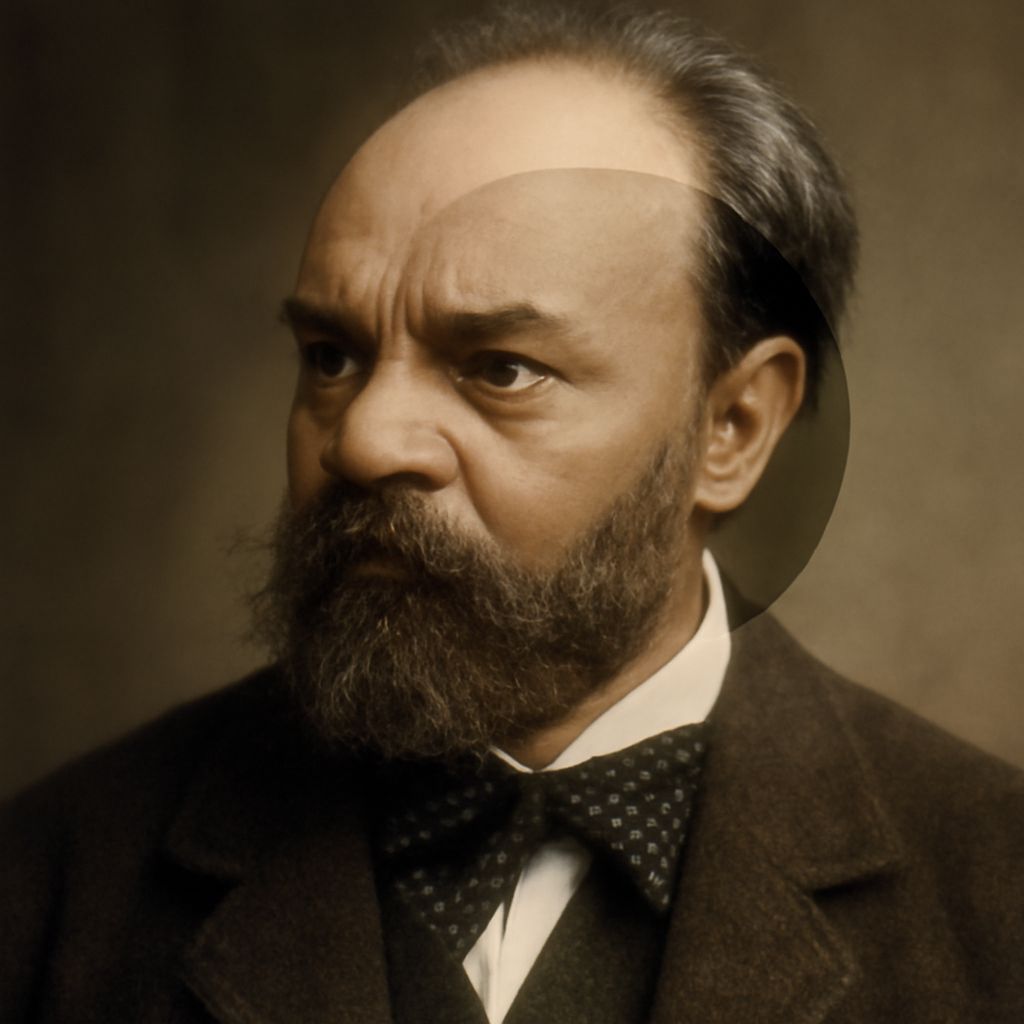
Antonín Dvořák’s Symphony No. 9, also known as the “New World Symphony,” is one of the most celebrated works in the classical music repertoire. Composed during Dvořák’s time in the United States, this symphony reflects an intriguing blend of American influences and Dvořák’s Bohemian roots. Its premiere in 1893 was met with enormous success, and it continues to captivate audiences worldwide.
The Story Behind Symphony No. 9
Dvořák composed Dvořák Symphony 9 during his tenure as the director of the National Conservatory of Music of America in New York City. Fascinated by American music, particularly African American spirituals and Native American melodies, Dvořák sought to create a symphony that embodied the spirit of the New World. He believed that American composers could draw inspiration from these indigenous sounds to create a distinctive national music style.
The symphony was completed in 1893 and premiered at Carnegie Hall under the baton of Anton Seidl. Its reception was overwhelmingly positive, with critics and audiences alike praising its originality and emotional depth. This work not only solidified Dvořák’s reputation in the United States but also had a lasting impact on the development of American classical music.
Key Themes and Movements
The symphony is structured in the traditional four movements, but each carries distinct themes that reflect Dvořák’s innovative style and cross-cultural influences. The first movement, marked Adagio – Allegro molto, opens with a solemn theme that transitions into a lively and spirited motif, reminiscent of the American frontier.
The second movement, Largo, is perhaps the most famous, featuring a hauntingly beautiful English horn solo that echoes the sound of a spiritual. This movement conveys a sense of longing and nostalgia, capturing the essence of the American landscape.
The third movement, Scherzo: Molto vivace, is characterized by its dynamic rhythms and dance-like quality, reflecting Dvořák’s Bohemian heritage. Finally, the fourth movement, Allegro con fuoco, brings the symphony to a powerful conclusion with its dramatic and triumphant themes.
Cultural Influences and Impact
Dvořák’s time in America exposed him to diverse musical traditions, and Symphony No. 9 Dvořák is a testament to this cultural exchange. His incorporation of African American and Native American musical elements was groundbreaking, offering a new perspective on what classical music could represent in the New World.
This symphony has had a profound impact on both American and European composers, encouraging them to explore and integrate folk elements into classical compositions. Its enduring popularity is a testament to its innovative approach and emotional resonance. Today, Dvořák’s Symphony No. 9 remains a staple in concert halls, celebrated for its rich tapestry of influences and its ability to transcend cultural boundaries.