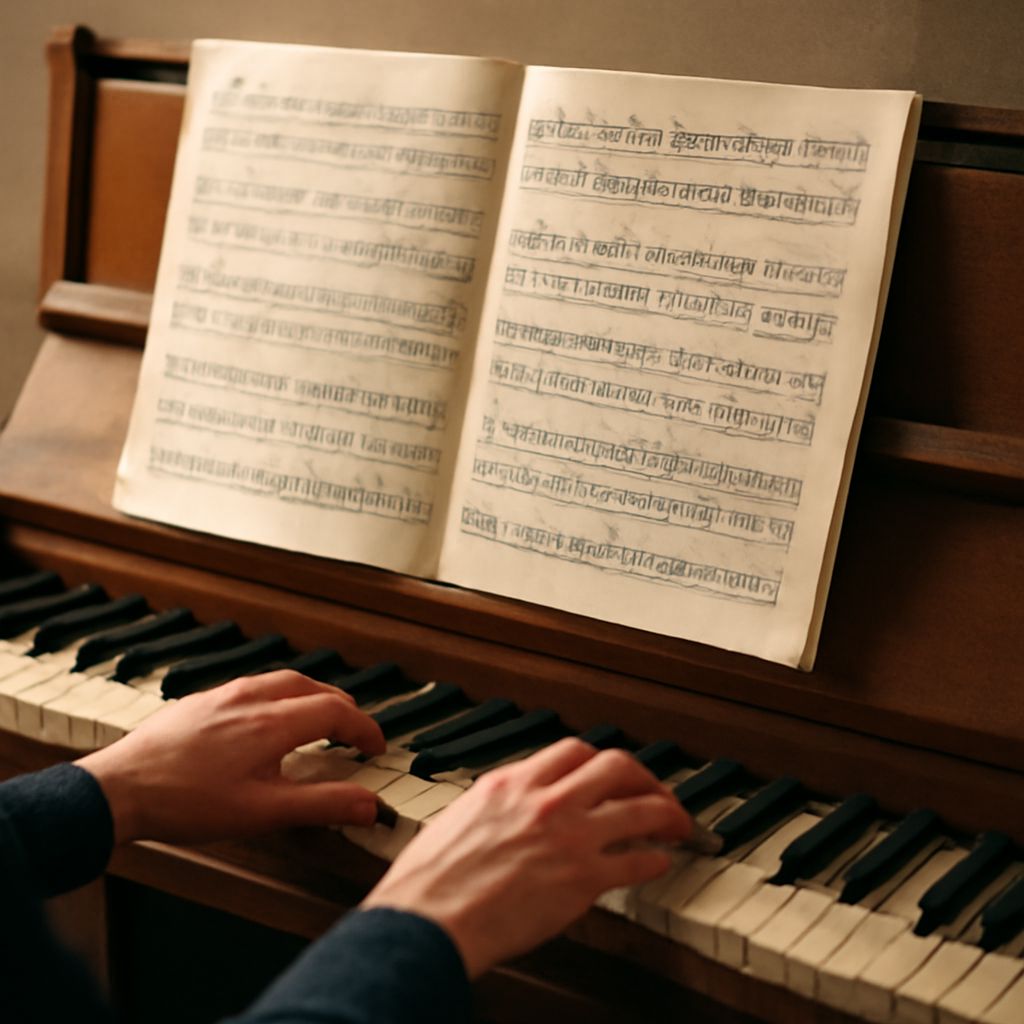
Ludwig van Beethoven remains a towering figure in classical music, known for his profound contributions that have shaped the musical landscape. His compositions are celebrated for their emotional depth and innovative structures, which continue to inspire musicians and audiences alike. This article explores the brilliance of Beethoven’s works, highlighting key compositions and their lasting impact on music history.
Beethoven: A Revolutionary Composer
Born in 1770 in Bonn, Germany, Beethoven was a pivotal figure in the transition between the Classical and Romantic eras. His ability to convey profound emotion and explore new musical territories set him apart from his contemporaries. Beethoven’s compositions often defied traditional conventions, showcasing his unique ability to blend intricate harmonies with powerful dynamics.
Despite facing personal challenges, including hearing loss, Beethoven’s resilience and passion for music remained unwavering. His dedication to his craft resulted in a body of work that continues to be revered around the world.
Key Works of Beethoven
Among Beethoven’s numerous compositions, several stand out for their innovation and influence. Symphony No. 5 is perhaps his most famous work, instantly recognizable by its iconic four-note motif. This symphony exemplifies Beethoven’s ability to convey drama and emotion through music.
Symphony No. 9, another landmark piece, is renowned for its choral finale, the “Ode to Joy.” This work broke new ground by incorporating vocal soloists and a choir into the symphonic form.
Beethoven’s Piano Sonata No. 14, commonly known as the “Moonlight Sonata,” is celebrated for its haunting melody and emotional depth. It showcases Beethoven’s talent for creating music that resonates on a deeply personal level with listeners.
His String Quartet No. 14 in C-sharp minor, Op. 131, is a testament to his innovative spirit. Comprising seven movements played without pause, this composition challenges conventional structures and exemplifies his late style’s complexity.
The Impact of Beethoven’s Compositions
Beethoven’s works have left an indelible mark on the world of classical music. His compositions expanded the scope and scale of symphonic music, influencing countless composers who followed. The emotional intensity and technical mastery of his music set new standards for what was possible in composition.
Beyond music, Beethoven’s persistence in the face of adversity has made him a symbol of resilience and innovation. His ability to create despite personal hardships has inspired generations of artists across various disciplines.
Today, Beethoven’s compositions continue to be performed and celebrated worldwide, a testament to their enduring power and relevance. His genius lies not only in the music he created but in the way he forever altered the course of musical history.