Chamber choirs and chamber singers hold a unique place in the world of music, offering intricate harmonies and a rich tapestry of sound. Unlike larger choirs, these smaller ensembles focus on precision and intimacy, creating performances that captivate audiences. In this article, we will explore the definitions, roles, and historical influences that shape chamber choirs and chamber singers.
What Defines a Chamber Choir?
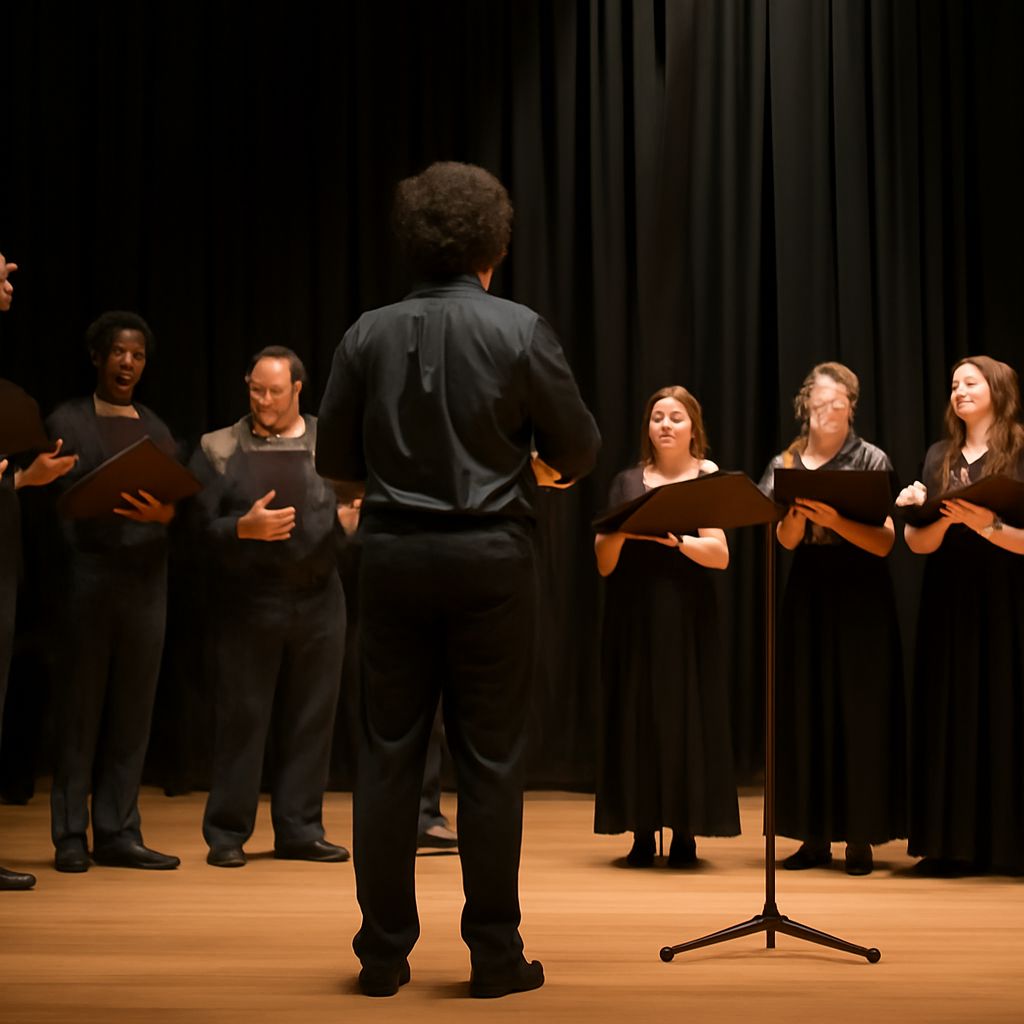
A chamber choir is a vocal ensemble typically composed of 12 to 40 singers. These groups are characterized by their small size, which allows for a more nuanced and cohesive sound. The repertoire of chamber choirs often includes classical works, contemporary compositions, and arrangements of folk music. This diversity in music selection enables them to perform a wide range of pieces with great precision.
The size of a chamber choir allows for a more personal connection between the singers and the audience. Each member plays a crucial role in creating the ensemble’s sound, making individual skill and teamwork essential components. The intimate nature of these performances often results in a profound emotional impact on listeners, distinguishing chamber choirs from larger choral groups.
The Role of Chamber Singers
Chamber singers are the individual performers within a chamber choir. These singers are often highly skilled musicians who can adapt to the varying demands of different musical pieces. Their ability to sing with clarity and precision is vital, as the smaller group size leaves little room for error.
Chamber singers frequently perform without instrumental accompaniment, relying solely on their voices to convey the music’s nuances. This a cappella singing requires excellent pitch control and harmony. Furthermore, chamber singers must be versatile, capable of performing both as soloists and as part of a cohesive group. Their role is to bring the music to life, enriching the choir’s performance with their individual talents.
Beethoven and Paganini’s Influence
The history of chamber music is deeply influenced by composers like Beethoven and Paganini. These musicians contributed significantly to the development of chamber ensembles, including choirs.
Beethoven’s choral works, such as his “Missa Solemnis,” showcased the potential for vocal ensembles to convey complex emotions and narratives. His emphasis on dynamic expression and structural innovation inspired chamber choirs to explore new musical possibilities.
Similarly, Paganini, though primarily known for his violin virtuosity, influenced chamber music by pushing the boundaries of musical technique and expression. His compositions encouraged musicians to experiment with sound and form, a legacy that continues to inspire chamber singers and choirs today.
These historical figures created a foundation upon which chamber choirs and singers could build, promoting a tradition of excellence and creativity. As a result, chamber ensembles remain a vibrant and essential part of the musical landscape, continually evolving while honoring their rich heritage.