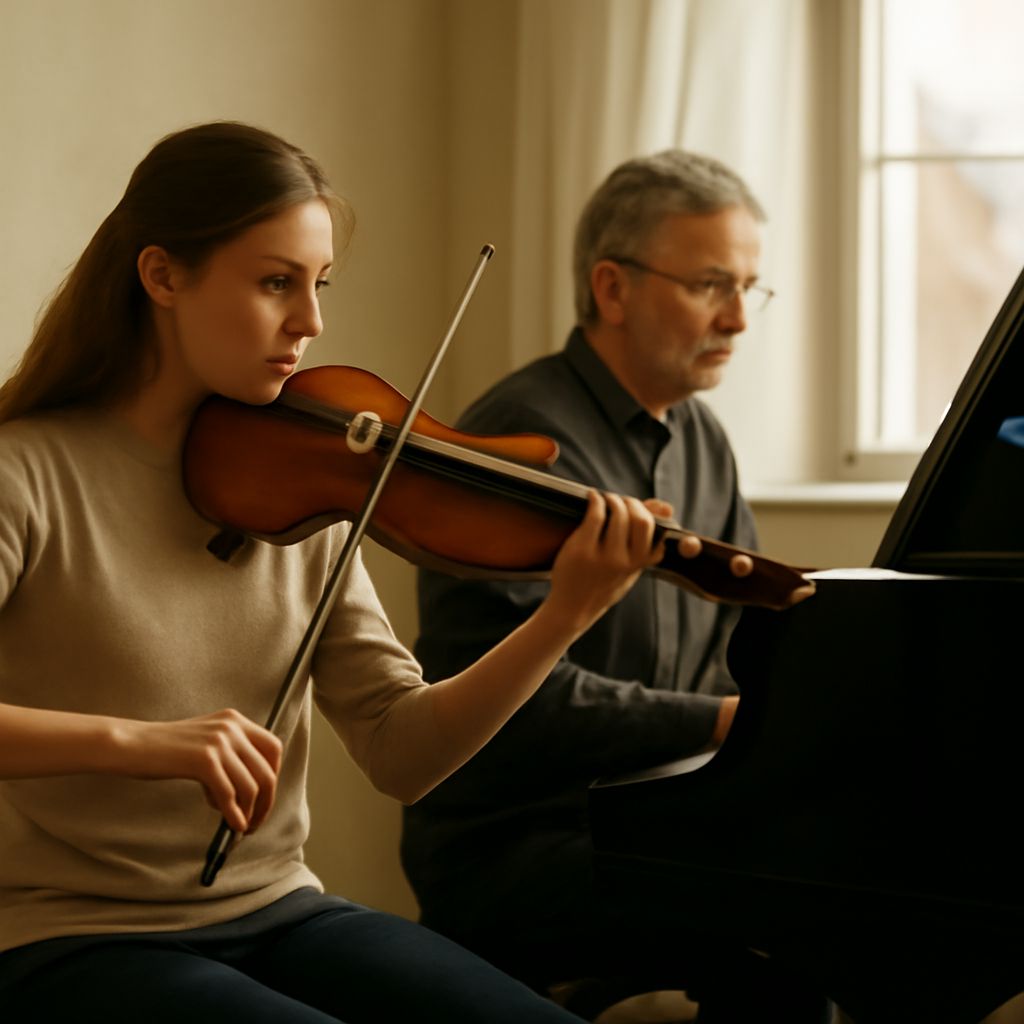
The Bach Double Violin Concerto, also known as the Concerto for Two Violins in D minor, BWV 1043, is a masterpiece that continues to captivate violinists and audiences alike. Its intricate interplay between two violins makes it a favorite among chamber musicians. For those looking to perform this iconic piece, understanding its sheet music is essential.
Understanding the Bach Double Violin Concerto
Composed by Johann Sebastian Bach between 1717 and 1723, the Double Violin Concerto is a stellar example of Baroque music. It showcases Bach’s genius in counterpoint and melodic development. The concerto is structured in three movements: Vivace, Largo ma non tanto, and Allegro. Each movement offers a unique blend of harmony and rhythm, making it a delightful challenge for performers.
Key Features of the Sheet Music
The bach double violin concerto sheet music is renowned for its intricate and balanced parts for both solo violins. The first movement, Vivace, features energetic exchanges and dynamic contrasts, while the Largo ma non tanto provides a lyrical and expressive dialogue between the violins. The final Allegro movement combines vibrant rhythms with a joyful melody.
When examining the sheet music, musicians will notice the clear delineation of parts. Both violinists are given equal importance, with interwoven lines that demand precise timing and coordination. Additionally, the continuo section, typically played by a harpsichord or cello, augments the harmonic foundation, adding to the overall texture of the piece.
Tips for Violinists Playing the Concerto
Successfully performing the Bach Double Violin Concerto requires more than just technical proficiency. Here are some tips for violinists:
- Practice Coordination: Since the two violin parts are deeply interdependent, spend time rehearsing with your partner to ensure seamless transitions and synchronized playing.
- Focus on Dynamics: Pay close attention to the dynamic markings in the sheet music. Effective use of dynamics can enhance the emotional impact of your performance.
- Interpret the Style: Embrace the Baroque style by incorporating appropriate bowing techniques and ornaments. Understanding the historical context can inform your interpretation.
- Balance the Sound: Aim for balanced sound production between the two violins. Both parts should be clearly audible and complement each other.
- Utilize a Metronome: Practice with a metronome to master the precise rhythms and tempo changes, particularly in the first and third movements.
By following these tips and thoroughly studying the bach double violin concerto sheet music, violinists can deliver a compelling and authentic performance of this timeless work.