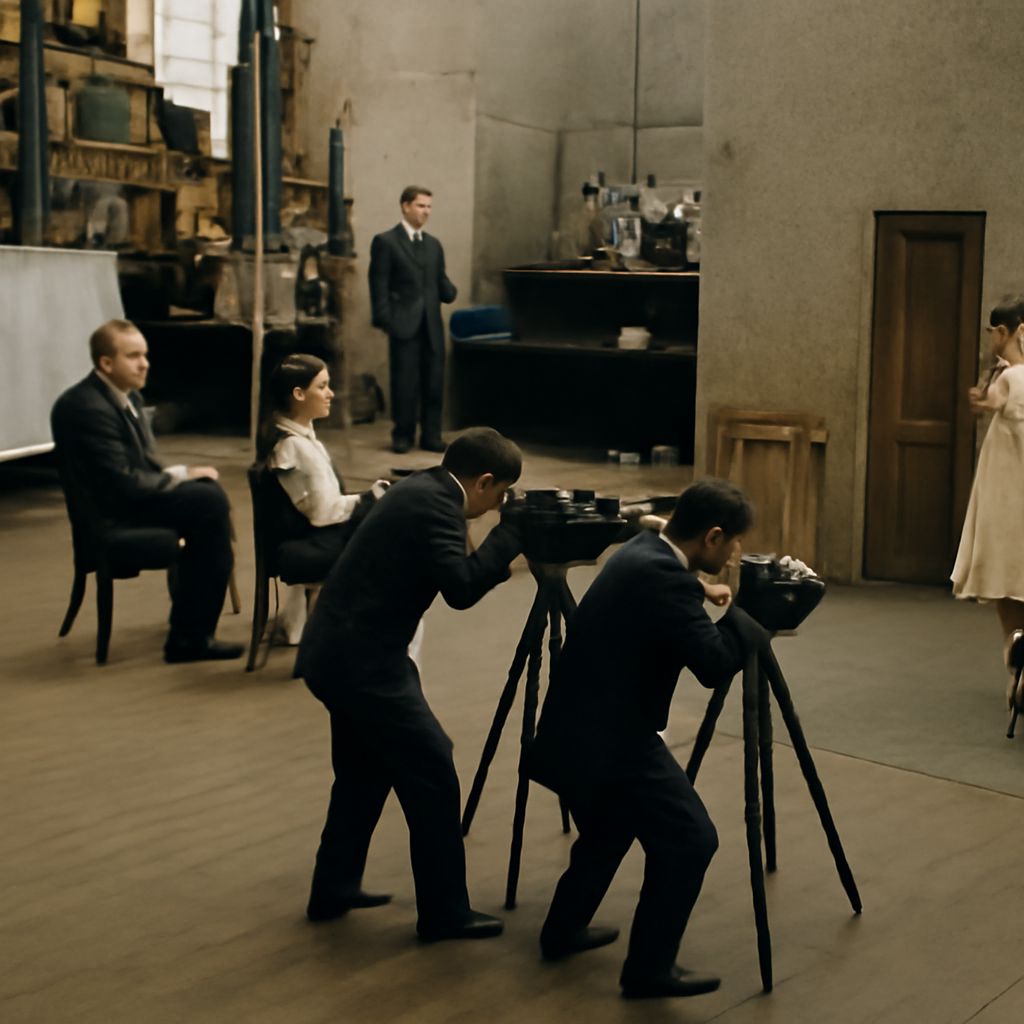
The Hollywood studio system, often referred to simply as the studio system, represents one of the most influential periods in the history of American cinema. This system, which dominated the film industry from the early 1920s to the late 1950s, shaped the way films were produced, distributed, and consumed. Understanding the Hollywood studio system is essential for comprehending the evolution of cinema and its impact on modern filmmaking practices.
What is the Hollywood Studio System?
The Hollywood studio system is a method of film production and distribution dominated by a small number of “major” studios in Hollywood. These studios, such as MGM, Paramount, Warner Bros., and 20th Century Fox, controlled not only the creation of films but also their distribution and exhibition. The system was characterized by a factory-like approach to filmmaking, where studios had teams of writers, directors, and actors under long-term contracts, allowing them to efficiently produce a large volume of films.
The Rise and Golden Age of Studios
The rise of the Hollywood studio system began in the 1910s and reached its peak during the “Golden Age” from the 1930s to the late 1940s. During this time, studios perfected their production techniques and developed a star system where actors became major box-office attractions. Genres such as musicals, westerns, noir, and comedies thrived under the studio system, and studios often specialized in certain types of films, creating a brand identity that audiences recognized and trusted.
Impact of the Studio System on Film Production
The studio system had a profound impact on film production, as it enabled the creation of high-quality films at a rapid pace. With control over every aspect of production, studios could ensure consistency and efficiency. This control extended to the marketing and distribution of films, allowing studios to secure favorable terms with theaters. Moreover, the star system ensured a stable roster of talent, which not only attracted audiences but also allowed for the development of iconic film personas.
However, the system also had its drawbacks. The rigid control exerted by studios stifled creativity in some cases, as directors and writers were often restricted to formulaic scripts and production methods. Furthermore, the power imbalance between studios and talent could lead to exploitative contracts and limited artistic freedom for actors and filmmakers.
The Decline and Evolution of the Studio System
The decline of the Hollywood studio system began in the late 1940s, primarily due to antitrust lawsuits like the United States v. Paramount Pictures, Inc. case, which led to the separation of film production and distribution from theater ownership. This legal shift weakened the studio’s direct control over the film market. Additionally, the rise of television in the 1950s provided a new form of entertainment that competed with film, further eroding the studios’ dominance.
Despite these challenges, the legacy of the studio system persists. Modern studios continue to play a significant role in the film industry, albeit in a more fragmented and collaborative environment. Independent filmmakers and production companies have greater freedom to create diverse content, while major studios focus on blockbuster films and franchises. The evolution from the traditional studio system has allowed for a more dynamic and diverse film industry, reflecting changing audience preferences and technological advancements.