The harpsichord is a fascinating musical instrument with a rich history and an intricate mechanism that distinguishes it from other keyboard instruments. Known for its distinctive sound, the harpsichord has played a vital role in classical music, capturing the imagination of composers and audiences alike.
A Brief History of the Harpsichord
The harpsichord emerged in the late Middle Ages and gained prominence during the Renaissance and Baroque periods. Originating from early stringed keyboard instruments, its design was refined and perfected over the centuries. By the 16th century, the harpsichord had become a staple in European music, thanks to its expressive capabilities and versatility.
During the Baroque era, the harpsichord flourished, with composers creating intricate pieces specifically for its unique tonal qualities. However, with the advent of the piano in the late 18th century, the harpsichord’s popularity waned. The piano’s ability to vary dynamics and sustain notes offered new possibilities that the harpsichord’s mechanism could not match.
The Harpsichord Mechanism Explained
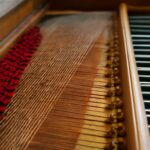
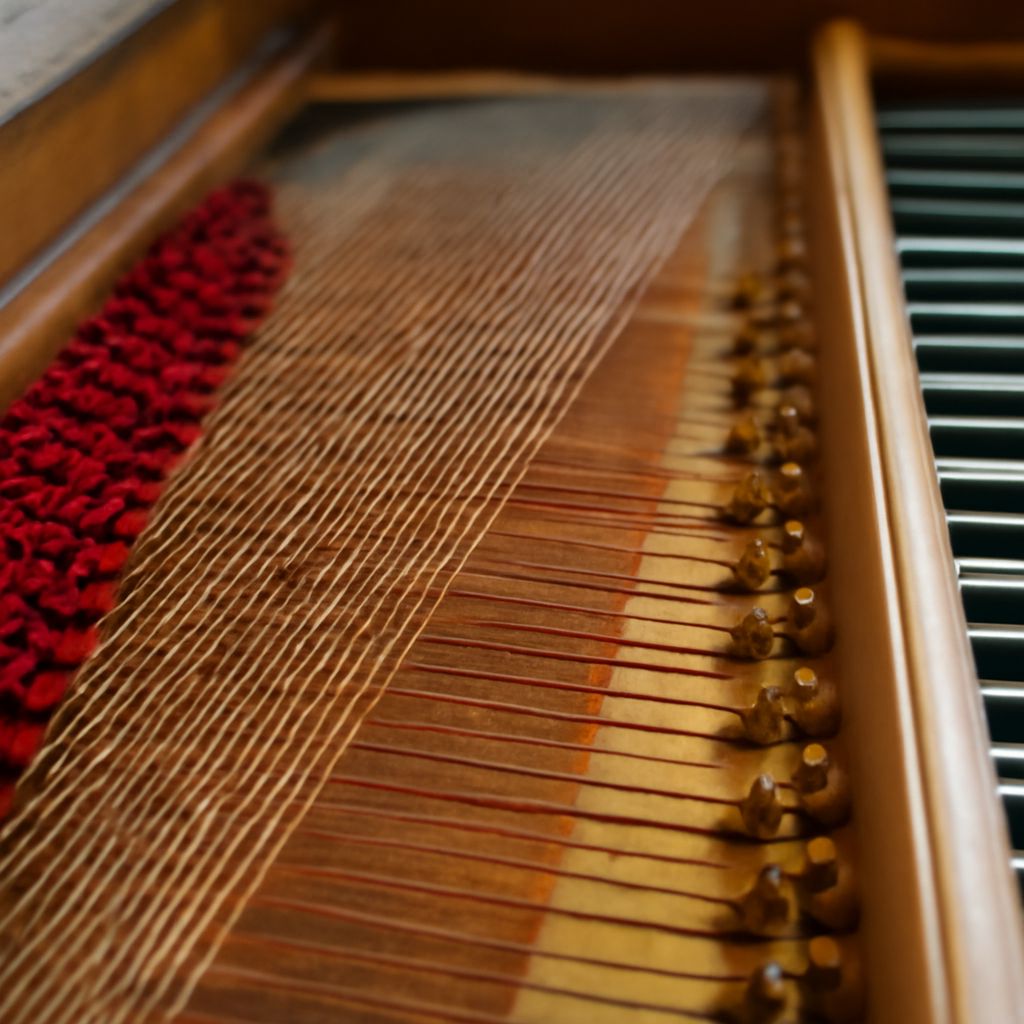
The harpsichord’s mechanism is what sets it apart from other keyboard instruments. Unlike the piano, where hammers strike strings, the harpsichord uses a plucking mechanism. Each key is connected to a piece called a “jack,” which holds a small plectrum. When a key is pressed, the jack rises, and the plectrum plucks the string, producing sound.
This plucking action creates the distinctive timbre of the harpsichord. The instrument typically has multiple sets of strings, known as “choirs,” which can be engaged using stops or levers to vary the sound. Despite its inability to produce dynamics through touch, the harpsichord’s mechanism allows for expressive articulation through rapid note repetition and the use of different registers.
The Role of the Harpsichord in Classical Music
The harpsichord played a central role in the music of the 16th to 18th centuries. It served as both a solo instrument and an accompaniment in ensemble settings. Its bright, resonant sound made it ideal for providing a harmonic foundation in orchestral works and chamber music.
In the Baroque era, composers like Johann Sebastian Bach and George Frideric Handel wrote extensively for the harpsichord. The instrument’s ability to produce clear, crisp tones made it perfect for the intricate counterpoint and ornamentation characteristic of Baroque music. As the continuo instrument in operas and oratorios, the harpsichord provided essential bass lines and harmonic support.
Famous Composers and the Harpsichord
Several renowned composers have made significant contributions to the harpsichord repertoire. Johann Sebastian Bach’s works, including the “Goldberg Variations” and “The Well-Tempered Clavier,” remain central to harpsichord literature, showcasing the instrument’s capacity for complex polyphony and expressive depth.
Domenico Scarlatti, another prolific composer for the harpsichord, created over 500 sonatas that exploit the instrument’s unique abilities. His compositions often feature rapid scales, hand crossings, and dynamic contrasts, pushing the technical limits of the harpsichord.
Francois Couperin and Jean-Philippe Rameau also contributed to the harpsichord’s legacy, composing elegant suites and character pieces that highlight its melodic charm. Their music captures the refined tastes of the French Baroque and remains a testament to the harpsichord’s artistic significance.