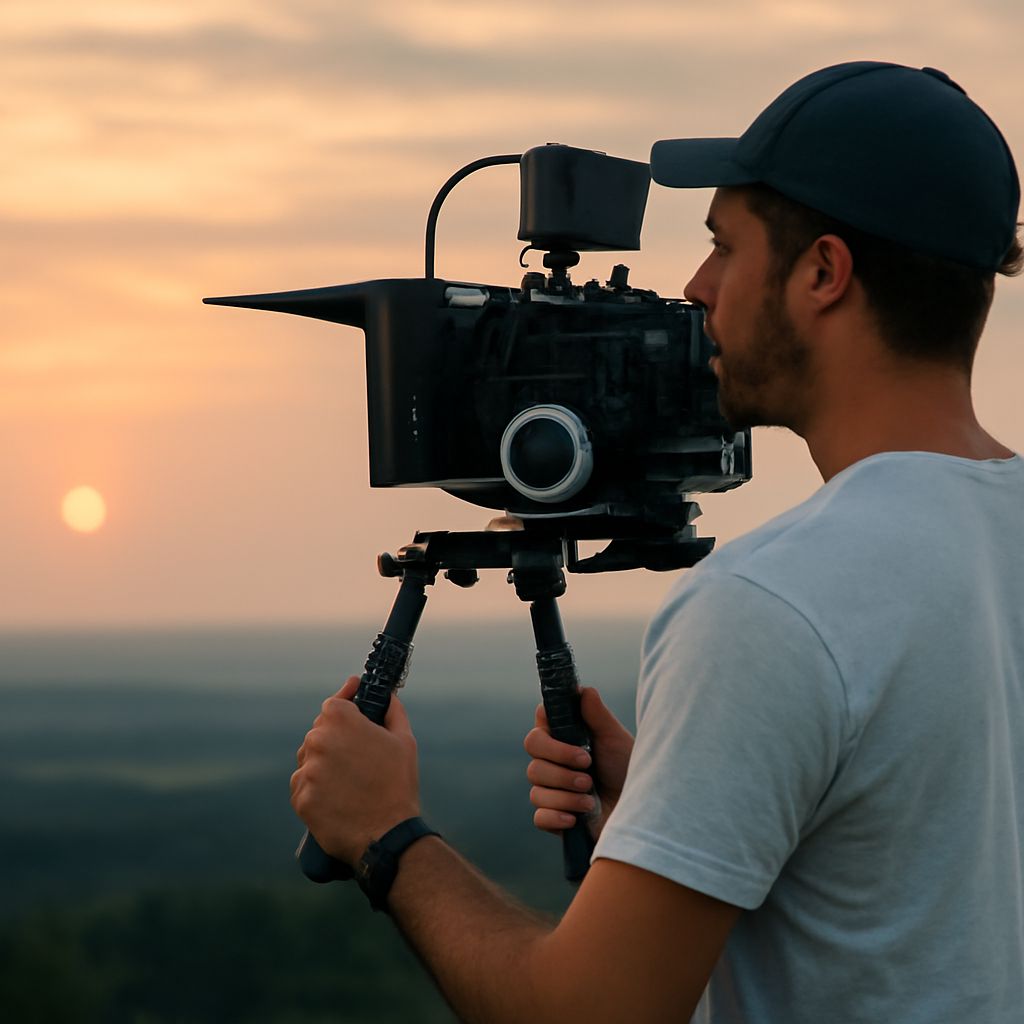
In the world of cinematography, the art of storytelling is deeply entwined with the types of camera shots chosen by filmmakers. Each shot is meticulously selected to convey emotion, drive the narrative, and provide viewers with a unique visual experience. Understanding the different types of camera shots not only enriches one’s appreciation for films but also enhances the skills of aspiring filmmakers.
The Importance of Camera Shots in Film
Camera shots are fundamental tools in filmmaking that shape the audience’s perception of the story. They determine what the viewers see and how they interpret the unfolding events. By utilizing different camera shots, directors can emphasize crucial elements, reveal character emotions, and create a specific mood or atmosphere. The choice of shot can transform a simple scene into a powerful storytelling moment.
Understanding Various Types of Camera Shots
There are numerous types of camera shots employed in films, each serving a distinct purpose:
- Extreme Wide Shot (EWS): Often used as an establishing shot, it captures a vast area to provide context and show the scale of the setting.
- Wide Shot (WS): This shot frames the subject from head to toe, offering a full view of the character in relation to their environment.
- Medium Shot (MS): Typically frames the subject from the waist up, focusing on the character while still illustrating their surroundings.
- Close-Up (CU): Zooms in on the subject’s face to capture intricate facial expressions and convey emotion.
- Extreme Close-Up (ECU): Focuses on a specific detail, like a pair of eyes or a hand, to highlight particular elements of a scene.
- Over-the-Shoulder Shot (OTS): Shot over a character’s shoulder, often used during conversations to establish perspective and connection between characters.
- Point of View Shot (POV): Shows exactly what a character sees, immersing the audience in the character’s experience.
How Different Camera Shots Enhance Storytelling
Each of the different types of shots enhances storytelling by manipulating the viewer’s focus and emotional engagement. For instance, a close-up can intensify a moment of revelation, bringing the audience intimately close to a character’s emotions. Conversely, an extreme wide shot might be used to establish the desolation or isolation of a setting, influencing how a scene feels before a single word is spoken.
Moreover, over-the-shoulder shots create a sense of intimacy and involvement in dialogues, making the interaction between characters more personal. Meanwhile, the point of view shot can be an effective tool to align the audience’s perspective directly with a character, fostering empathy and understanding of their motivations and feelings.
In essence, the strategic use of camera shots allows filmmakers to weave visual narratives that speak volumes without relying solely on dialogue. By mastering these techniques, directors can craft immersive cinematic experiences that resonate deeply with audiences, highlighting the art and power of visual storytelling.