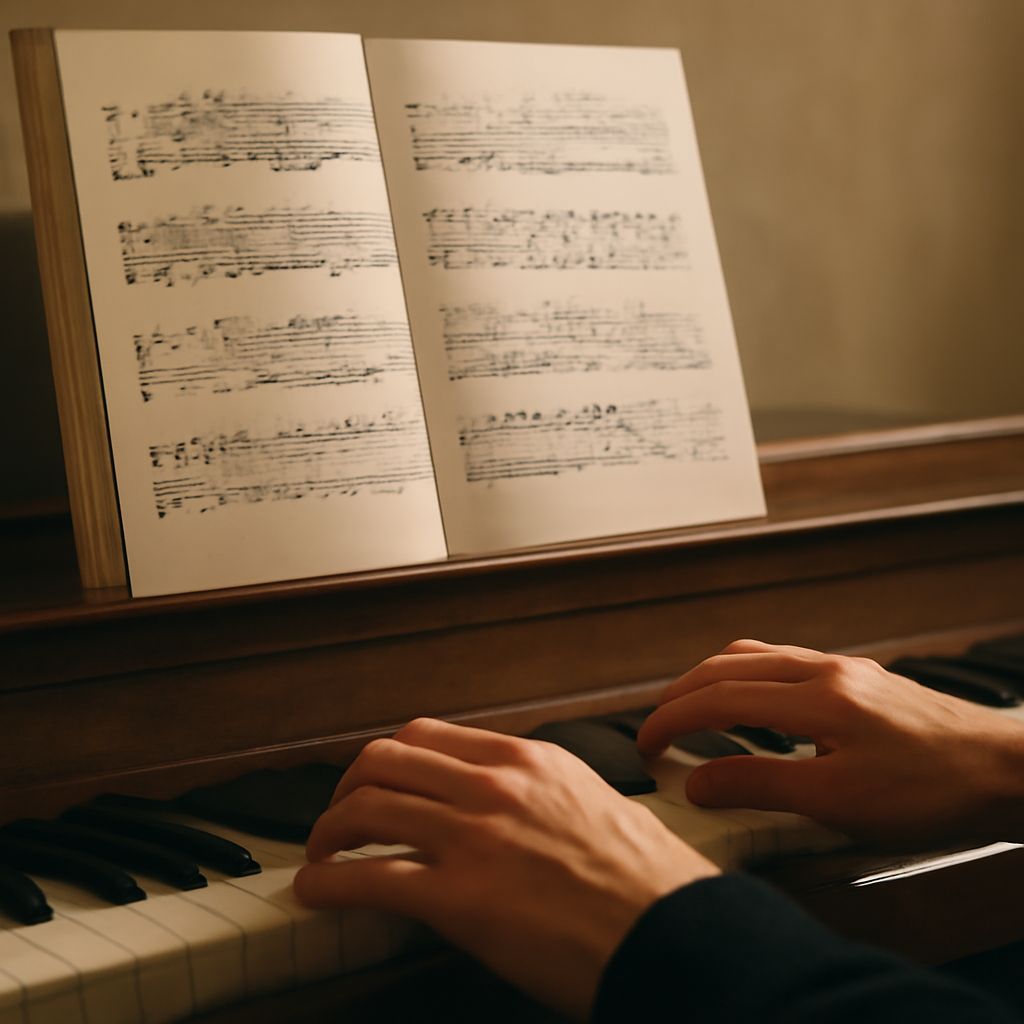
Claude Debussy’s “Arabesque No. 1” is a masterpiece that beautifully encapsulates the essence of Impressionist music. Its delicate and flowing melodies have enchanted pianists and audiences alike. In this article, we’ll delve into the nuances of Debussy Arabesque No. 1 sheet music, explore its structure, and offer tips for those looking to master this iconic piece.
Understanding Debussy’s Arabesque No. 1
Composed in 1888, “Arabesque No. 1” is part of Debussy’s Deux Arabesques. This piece showcases Debussy’s transition from the Romantic style to the innovative Impressionist techniques that define his later works. Its fluidity and gentle dynamics create an enchanting soundscape, making it a favorite among pianists.
The Structure of the Sheet Music
The arabesque sheet music for “Arabesque No. 1” is structured in a way that reflects its lyrical and flowing nature. The piece is in E major and follows a loose ABA form. The opening section introduces a serene and flowing melody, while the middle section presents a contrasting theme in a minor key, adding depth and complexity. The return to the initial theme offers a sense of closure and resolution.
Tips for Playing Arabesque No. 1
Mastering Debussy’s “Arabesque No. 1” requires attention to detail and sensitivity to its dynamic nuances. Here are some tips for playing this beautiful piece:
- Focus on Dynamics: Pay attention to the dynamic markings in the sheet music. The piece requires a delicate touch and smooth transitions between soft and loud passages.
- Emphasize Fluidity: The flowing nature of the melody is crucial. Practice with a metronome to maintain a steady tempo, but allow for slight rubato to enhance expressiveness.
- Pedal Use: Use the sustain pedal judiciously to connect the flowing phrases, but avoid blurring the harmonies.
- Expressive Phrasing: Highlight the lyrical quality by shaping each phrase with attention to its contour and emotional intent.
Where to Find Arabesque Sheet Music
For those seeking Debussy Arabesque No. 1 sheet music, there are several resources available:
- Music Stores: Many local music stores carry sheet music for classical pieces, including Debussy’s works.
- Online Retailers: Websites like MusicNotes and Sheet Music Plus offer digital and physical copies of Arabesque No. 1.
- Libraries: Public and university libraries often have extensive collections of sheet music available for borrowing.
- Free Online Resources: Websites like IMSLP provide free access to public domain sheet music, including Debussy’s Arabesques.
By exploring these resources, you can find the right version to help you bring Debussy’s enchanting music to life on the piano.