
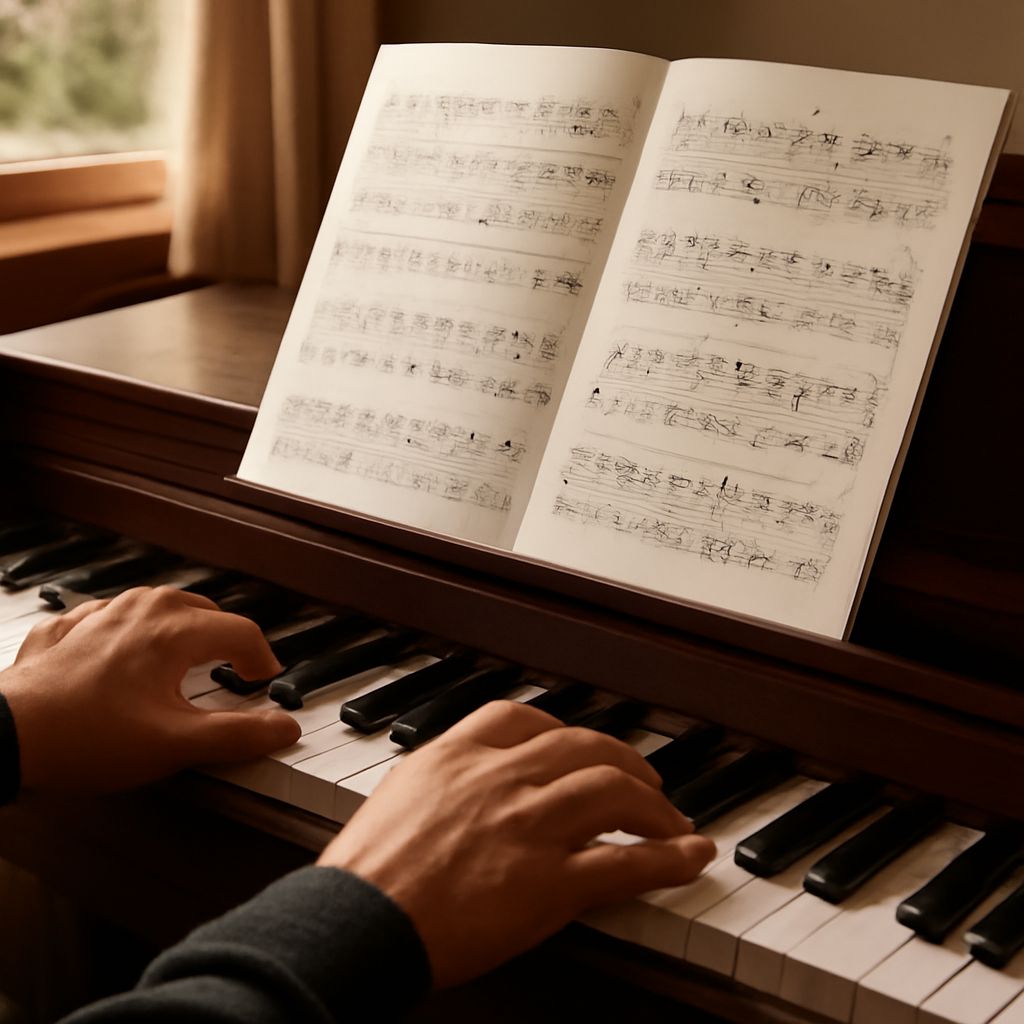
“In the Hall of the Mountain King” is a captivating piece by Edvard Grieg, famously known for its dramatic build-up and distinctive melody. Originally part of the “Peer Gynt Suite No. 1,” it has thrilled audiences worldwide and become a staple in both classical and popular music. For pianists, mastering this piece can be a rewarding challenge.
Introduction to ‘Hall of the Mountain King’
Composed in 1875, “In the Hall of the Mountain King” was created to accompany Henrik Ibsen’s play “Peer Gynt.” The piece depicts a scene where the protagonist, Peer, enters the hall of the Mountain King. The music starts quietly and gradually grows in tempo and volume, creating an intense and thrilling atmosphere. This dynamic progression makes it a favorite among performers and listeners alike.
Finding the Right Sheet Music
When searching for “Hall of the Mountain King” sheet music, it’s essential to choose an arrangement that suits your skill level. There are versions ranging from beginner to advanced, each offering unique challenges and interpretations. Popular publishers like Hal Leonard and Alfred Music offer reliable editions. Many online resources provide downloadable sheet music, ensuring accessibility for pianists everywhere.
Tips for Playing on the Piano
Mastering “Hall of the Mountain King” on the piano involves understanding its rhythmic intensity and dynamic shifts. Here are some tips to guide you:
- Start Slowly: Begin practicing at a slow tempo to get familiar with the notes and rhythm.
- Focus on Dynamics: Emphasize the gradual crescendo, moving from pianissimo to fortissimo.
- Use a Metronome: A metronome can help you maintain a steady pace as you gradually increase the tempo.
- Break It Down: Work on small sections at a time to ensure accuracy and confidence.
- Express Emotion: Capture the dramatic essence of the piece by paying attention to phrasing and expression marks.
Understanding Its Place in Classical Music
“In the Hall of the Mountain King” holds a significant place in the classical music repertoire. Its inclusion in “Peer Gynt Suite No. 1” has made it one of Grieg’s most famous works. The piece exemplifies Romantic-era characteristics with its vivid storytelling and emotional intensity. It has also influenced various genres, appearing in films, television, and even rock music, showcasing its versatile appeal.