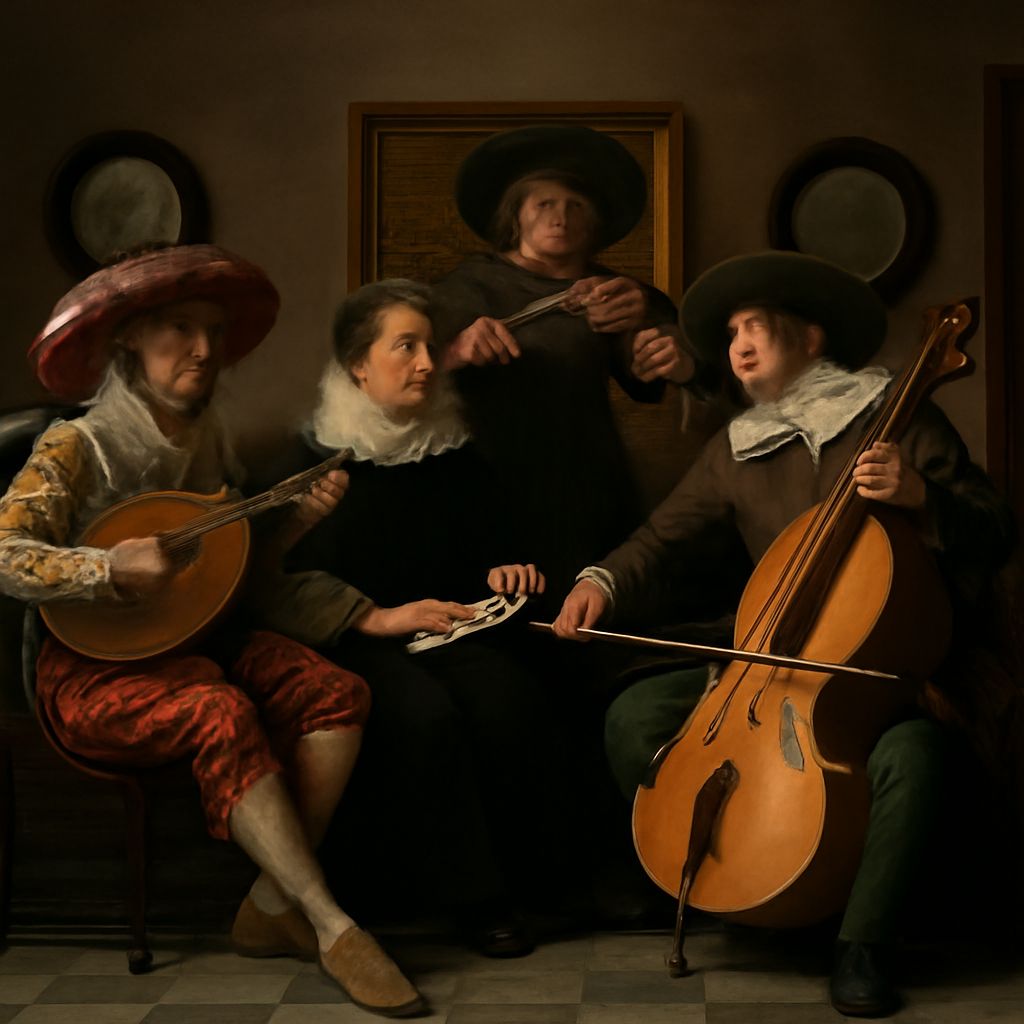
The Baroque music period, spanning from 1600 to 1750, was a time of dramatic expression and innovation. This era introduced new musical styles and techniques that would lay the foundation for future classical music compositions. With its ornate melodies and complex harmonies, Baroque classical music continues to captivate audiences and influence composers to this day.
Understanding the Baroque Music Period
The Baroque music period emerged in Europe as a response to the Renaissance’s focus on balance and clarity. This era marked a shift towards emotional depth and grandeur in music. Composers like Johann Sebastian Bach, George Frideric Handel, and Antonio Vivaldi pushed musical boundaries, exploring texture and complexity. Their works often incorporated opera, concerto, and sonata forms, which became staples of the Baroque style.
Key Characteristics of Baroque Music
The defining characteristics of Baroque music include a strong emphasis on contrast, ornamentation, and expressiveness. Composers utilized contrasting dynamics and textures to create a sense of drama. The use of basso continuo, a continuous bass line, provided harmonic structure and supported intricate melodies. Ornamentation, such as trills and grace notes, added flair and complexity to musical pieces.
Baroque music characteristics also featured the development of tonality, a system of major and minor keys that provided a framework for composition. This was a departure from the modal systems of earlier periods and allowed for greater emotional expression. Additionally, the Baroque era was known for its use of counterpoint, a technique where multiple melodic lines are interwoven, creating rich and layered soundscapes.
Influence on Beethoven and Paganini
The legacy of the Baroque period significantly influenced later composers, including Ludwig van Beethoven and Niccolò Paganini. Beethoven, though primarily associated with the Classical and Romantic periods, drew inspiration from the structural and expressive elements of Baroque music. His compositions often reflected the dramatic contrast and emotive depth characteristic of Baroque works.
Paganini, a virtuoso violinist and composer, was influenced by the technical precision and ornamentation of Baroque music. His complex compositions and performance techniques can be traced back to Baroque traditions, showcasing the era’s enduring impact on the evolution of classical music.