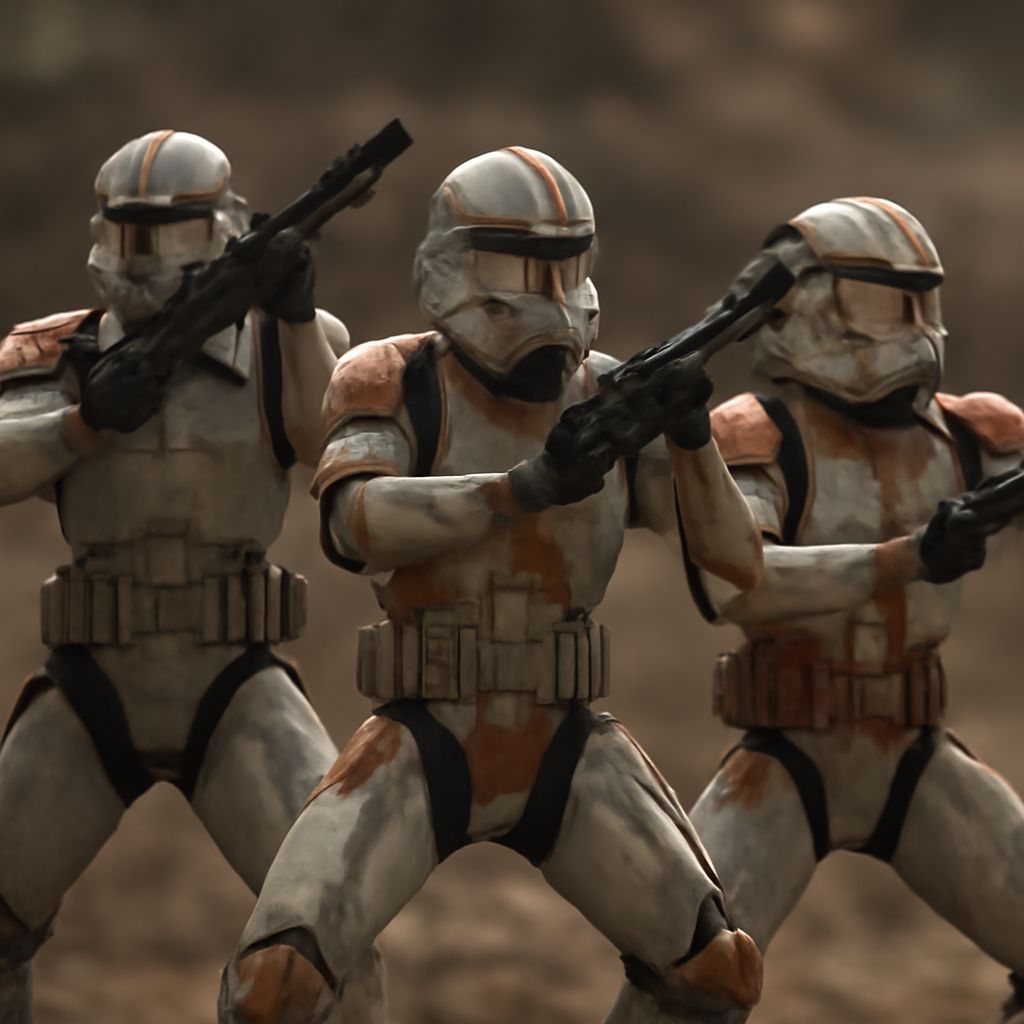
The 212th Attack Battalion, often referred to simply as the 212th Battalion, has become an iconic element in cinematic storytelling, capturing the imaginations of audiences worldwide. This fictional unit is deeply embedded in popular culture, offering rich narratives that resonate with themes of bravery, strategy, and camaraderie. In this exploration, we delve into the origins of the 212th Attack Battalion, its portrayal in film and cinema, and its significant impact on storytelling and production.
The Origins of the 212th Attack Battalion
The 212th Attack Battalion finds its roots in the vast universe of the Star Wars franchise, specifically within the Clone Wars era. This unit, led by the notable Jedi General Obi-Wan Kenobi and Clone Commander Cody, is part of the Grand Army of the Republic. The battalion is renowned for its strategic prowess and heroic exploits in battles against the separatist forces. The narrative surrounding the 212th Battalion is built on themes of loyalty, sacrifice, and the relentless pursuit of justice in a galaxy fraught with conflict.
Portrayal in Film and Cinema
In cinema, the 212th Attack Battalion is vividly brought to life through animated series and films such as “Star Wars: The Clone Wars.” The battalion’s distinct orange-marked armor sets them apart visually, making them instantly recognizable to fans. Their portrayal emphasizes not only their combat effectiveness but also the personal stories of the individual clones, adding depth to their characterizations. Through these films, the 212th Battalion becomes a lens through which the broader narratives of the Clone Wars are explored, providing a gritty and immersive perspective on the galactic conflict.
Impact on Storytelling and Production
The influence of the 212th Attack Battalion extends beyond mere entertainment, impacting storytelling and production in significant ways. The unit’s depiction has pioneered a more nuanced approach to character development within a military framework, shifting the focus from anonymous soldiers to individuals with distinct personalities and backstories. This shift enriches the narrative complexity and emotional engagement of the audience.
Moreover, the detailed portrayal of the 212th Battalion has inspired advancements in animation and visual effects, pushing the boundaries of how large-scale battles and intricate character interactions are depicted on screen. The battalion’s involvement in epic battle scenes showcases the capabilities of modern cinematic technology, while their individual stories highlight the importance of character-driven narratives in blockbuster filmmaking.
In conclusion, the 212th Attack Battalion serves not only as a key component of the Star Wars saga but also as a testament to the power of storytelling in cinema. Its portrayal enhances the richness of the cinematic experience, blending action-packed sequences with profound character arcs that resonate with audiences across the globe.