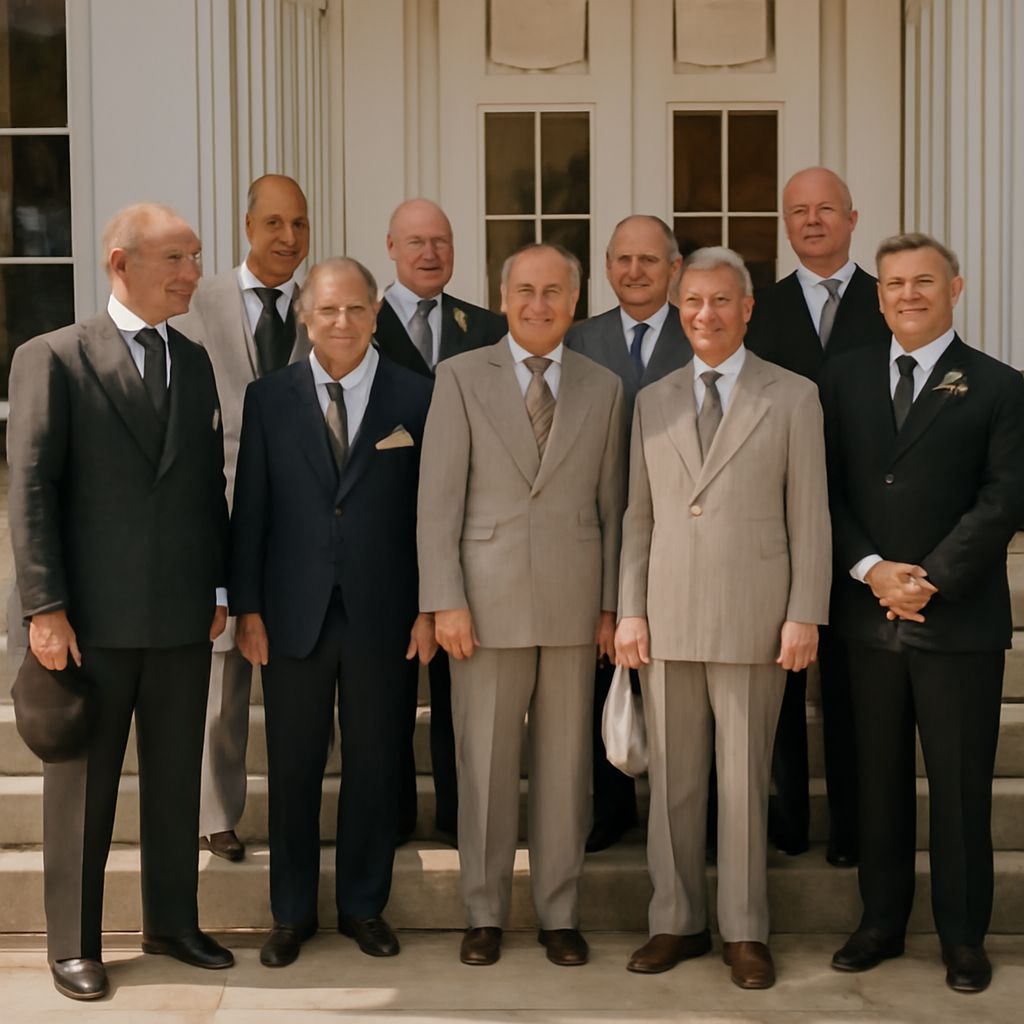
The Motion Picture Production Code, often referred to as the Hays Code, was a set of industry guidelines for the self-censorship of content in United States films first adopted in 1930. The code was named after Will H. Hays, the president of the Motion Picture Producers and Distributors of America (MPPDA) at the time. It was designed to ensure that films adhered to moral standards that aligned with societal values of the era. This set of rules significantly influenced the content of films produced in Hollywood until it was replaced by the modern rating system in the 1960s.
What Was the Motion Picture Production Code?
The Motion Picture Production Code was a detailed document that outlined acceptable and unacceptable content in films. It emerged in response to the public outcry over the perceived immorality depicted in films during the 1920s. Consequently, studios sought to regulate themselves to avoid government intervention. The code addressed issues such as violence, sexual content, and moral behavior. It aimed to prevent films from lowering the moral standards of audiences and emphasized the importance of films promoting wholesome values.
Key Rules and Regulations
The production code contained several key rules and regulations intended to uphold moral standards. It prohibited explicit nudity, suggestive dancing, and scenes of passionate kissing. Crime and immorality were not allowed to be portrayed in a positive light, and criminals could not be depicted getting away with wrongdoing. The code also dictated that themes involving religion, marriage, and patriotism were to be handled with respect and seriousness. Storylines that showed adultery, illicit sex, and excessive drinking were subject to stringent restrictions, ensuring they were depicted as morally wrong and with proper consequences.
Impact on the Film Industry
The implementation of the production code had a profound impact on the film industry. Filmmakers were forced to be more creative in depicting controversial themes, often relying on innuendo and suggestion rather than explicit content. As a result, some argue that the code inadvertently led to a richer, more nuanced form of storytelling. However, it also stifled creativity and limited the scope of certain narratives, as filmmakers were constrained by the strict guidelines.
Moreover, the production code affected the portrayal of women and minorities in film, often reinforcing stereotypes and limiting diverse representation. The strict regulations meant that many social issues were left unexplored, as studios avoided controversial topics that could be deemed inappropriate under the code.
The Legacy of the Production Code
The legacy of the Motion Picture Production Code is a mixed one. It undeniably played a significant role in shaping the early film industry, with its influence evident in the classic films of the Golden Age of Hollywood. While it stifled some creative expression, it also pushed filmmakers to develop innovative storytelling techniques. The code was eventually abandoned in the 1960s, paving the way for the more flexible film rating system used today that allows for a broader range of content. Nevertheless, the production code remains a pivotal chapter in the history of cinema, reflecting the cultural and societal norms of its time.