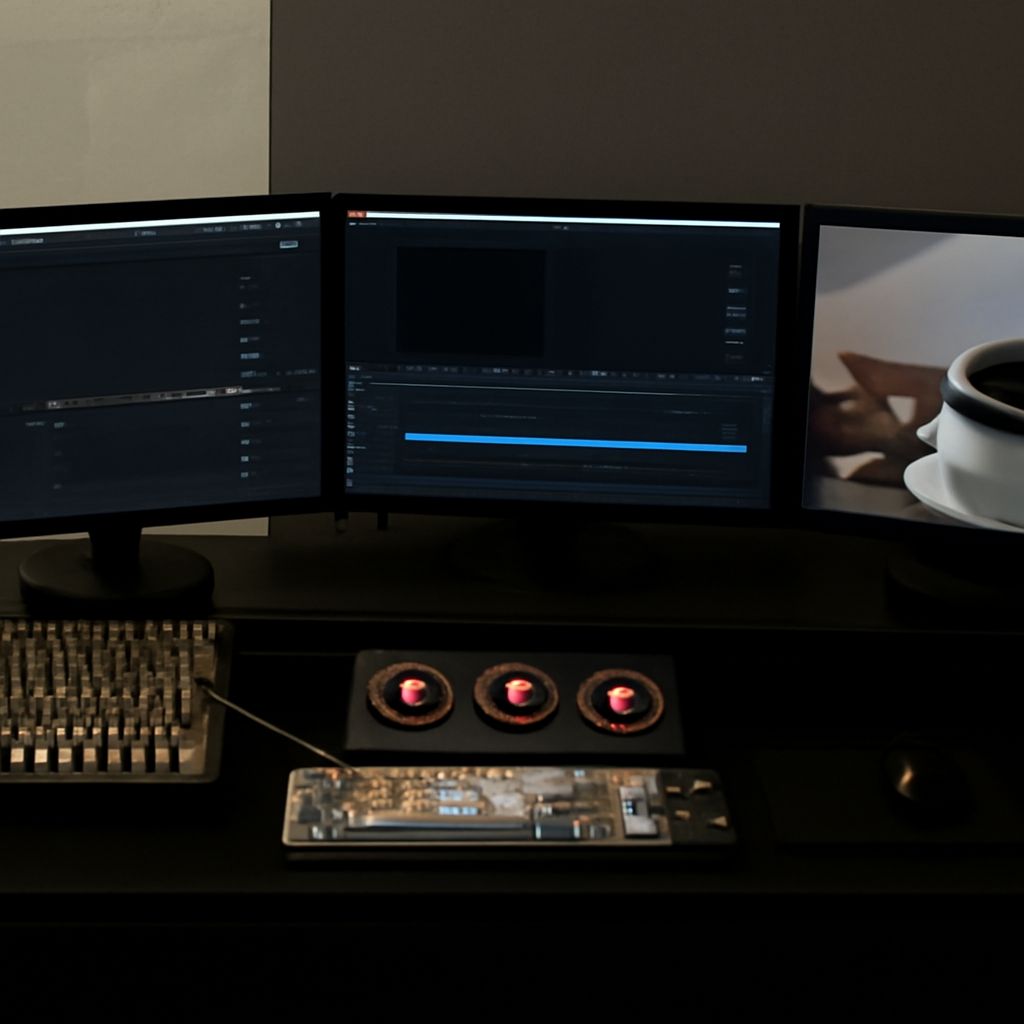
Post production editing is a crucial phase in filmmaking that transforms raw footage into a polished final product. This process involves a series of detailed steps aimed at enhancing the visual and auditory aspects of a film. Understanding what is post production in film is essential for anyone interested in the filmmaking industry, as this stage can significantly affect the audience’s overall experience.
What Is Post Production in Film?
Post production in film refers to the phase following the actual filming, during which the raw footage is edited and enhanced to create the final version of the movie. It involves various processes such as video editing, sound design, visual effects, and color correction. This phase is crucial because it ensures that the film’s narrative flows smoothly and that the visuals and sounds align with the director’s vision.
Key Stages of Post Production Editing
The post production editing phase can be broken down into several key stages, each contributing to the film’s final quality:
- Video Editing: This is the initial step where the raw footage is reviewed, and unnecessary scenes are cut to create a coherent storyline. Editors work closely with directors to ensure the final cut matches the film’s intended pacing and tone.
- Sound Editing: Sound editors enhance audio quality by adjusting volume levels, adding sound effects, and ensuring dialogue clarity. This stage is vital for maintaining the film’s immersive experience.
- Visual Effects (VFX): Any computer-generated imagery or visual enhancements are added during this stage. VFX can range from simple touch-ups to complex animations that create spectacular scenes.
- Color Correction: This stage involves adjusting the film’s color palette to enhance mood and consistency. Colorists work to ensure that each scene has the appropriate color tone that aligns with the film’s artistic vision.
Essential Techniques in Film Editing
Film editing employs several key techniques to ensure a seamless flow and engaging narrative:
- Cutting on Action: This technique involves transitioning between shots as the subject moves, creating a dynamic and fluid sequence.
- Match Cuts: Editors use match cuts to create visual or thematic links between two different shots, enhancing the narrative flow.
- Cross-Cutting: This involves alternating between two or more scenes happening simultaneously, building tension and maintaining viewer interest.
- Montage: A series of short shots edited together to condense time or convey a lot of information quickly.
The Importance of Post Production Editing
Post production editing is a vital component of film production because it shapes the final viewing experience. It allows filmmakers to refine their storytelling, correct any mistakes made during filming, and add those final touches that make a film visually and audibly appealing. Without this phase, a film would lack the finesse and coherence necessary to captivate audiences.
Through meticulous editing and enhancement, post production editing transforms raw footage into a compelling story that resonates with viewers. It is the cornerstone of bringing a filmmaker’s vision to life and ensuring that the final product meets creative and technical standards.