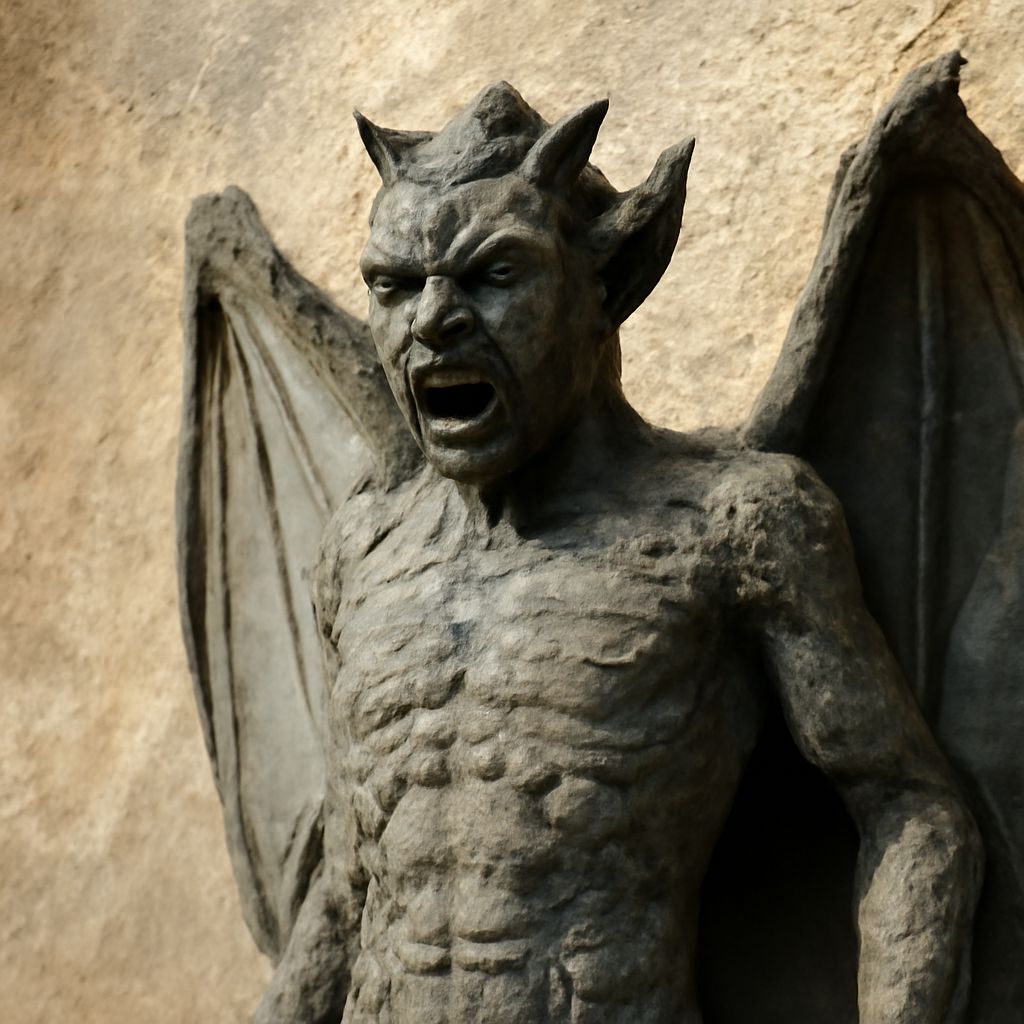
Being among the scariest monsters ever is less about body count than about an image, a rule, and a feeling viewers cannot shake. The 1972 television film Gargoyles shows how a modestly scaled production can create a lasting creature myth: its horned, winged beings are recognizably physical yet strange enough to invite repeated viewing.
The same test helps explain why the Xenomorph, The Thing, and Pumpkinhead remain fan favorites long after their first releases. Their design, behavior, vulnerability, and audience afterlife give each creature a life beyond its original story.
Cult movie definition: When audience afterlife creates a classic
A useful cult movie definition focuses on what happens after release. A cult film develops a devoted, active audience that keeps discussing, quoting, screening, collecting, and reinterpreting it. Its reputation may grow through television reruns, VHS, streaming, midnight screenings, fan art, or online communities.
That is different from calling any obscure or poorly reviewed film a cult movie. Initial box-office scale matters less than sustained audience attachment. A film can be commercially modest and still become a cult favorite if it offers a distinctive world, memorable performances, unusual effects, or a monster fans want to revisit. Gargoyles fits because its central creatures are immediately recognizable and its television origins became part of its appeal rather than a barrier to rediscovery.
Movie gargoyles: What the 1972 television film makes memorable
Meet Goliath and the film’s gargoyle creatures
The movie gargoyles are an ancient race discovered in the Arizona desert, not stone ornaments that simply come alive. Led by Goliath, portrayed by Bernie Casey, they emerge as an organized, intelligent threat to the human world. The creatures communicate, plan, and pursue their own social order, giving the film more than a sequence of attacks by interchangeable beasts.
Goliath’s commanding presence also separates him from the group. His size, voice, horns, wings, and heavy practical makeup make him feel like a character with authority, not merely a costume. The makeup, associated with Stan Winston, gives the film’s creatures a tactile quality that still stands out in an era of increasingly digital monsters.
Their design, behavior, and vulnerability
The gargoyles combine familiar fears—claws, fangs, leathery wings, and predatory movement—with a fantasy silhouette that has no single natural equivalent. Their intelligence makes them more disturbing because they can choose when to hide, watch, negotiate, or attack.
They are also physical beings rather than limitless supernatural forces. The story gives viewers a way to track, resist, and injure them, while their hidden environment and group structure place practical limits on their power. That vulnerability keeps the conflict legible: the gargoyles are formidable, but not invincible. Home-video circulation, television reruns, and practical-effects fandom later helped preserve their image as one of the era’s most distinctive creature designs.
What makes horrifying monsters frightening and memorable?
The most effective horrifying monsters usually combine four qualities. First, they have a strong silhouette or physical idea that can be recognized instantly. Second, they behave according to rules. A creature becomes more frightening when viewers understand just enough about what it wants and how it hunts to anticipate danger.
Third, it needs a vulnerability. Fire, isolation, sunlight, a blood test, or a connection to another character gives the story tension and prevents the monster from becoming an abstract symbol of unstoppable evil. Finally, the creature should express a fear beyond its appearance: invasion, contamination, grief, distrust, loss of identity, or the collapse of human control.
Scariest Monsters Ever: Comparing design, rules, and fan afterlife
The Xenomorph and The Thing: Opposite kinds of uncertainty
The Xenomorph in Alien is frightening because its biomechanical design and lifecycle make reproduction itself feel invasive. It stalks with animal efficiency, and its acid blood makes even an apparent victory dangerous. Fire, distance, and eventually exposure to space offer imperfect defenses. Its fan afterlife includes sequels, games, collectibles, and endless analysis of its lifecycle and visual design.
The creature in John Carpenter’s The Thing creates the opposite fear. Rather than being a single visible hunter, it can imitate other organisms, making every human relationship suspect. Heat and blood testing provide temporary methods of detection, but neither restores trust. The film’s cult afterlife thrives on practical-effects appreciation and debates about who was infected, showing how a monster can endure through uncertainty rather than a fixed shape.
Pumpkinhead: A vulnerability and myth fans can revisit
Pumpkinhead turns grief into a monster through a revenge ritual. Its tall, demonic design is memorable, but its rules make the creature especially usable as a story engine: it is summoned for a specific purpose, and its existence is linked to the person who called it. That link creates a vulnerability and a moral cost; ending the curse involves confronting the summoner’s responsibility.
Like Goliath, Pumpkinhead has a practical, actor-sized presence. Like the Xenomorph and The Thing, it has a clear governing idea. Its cult afterlife comes from that combination of visual identity, repeatable mythology, and a rule fans can argue about, adapt, and revisit.