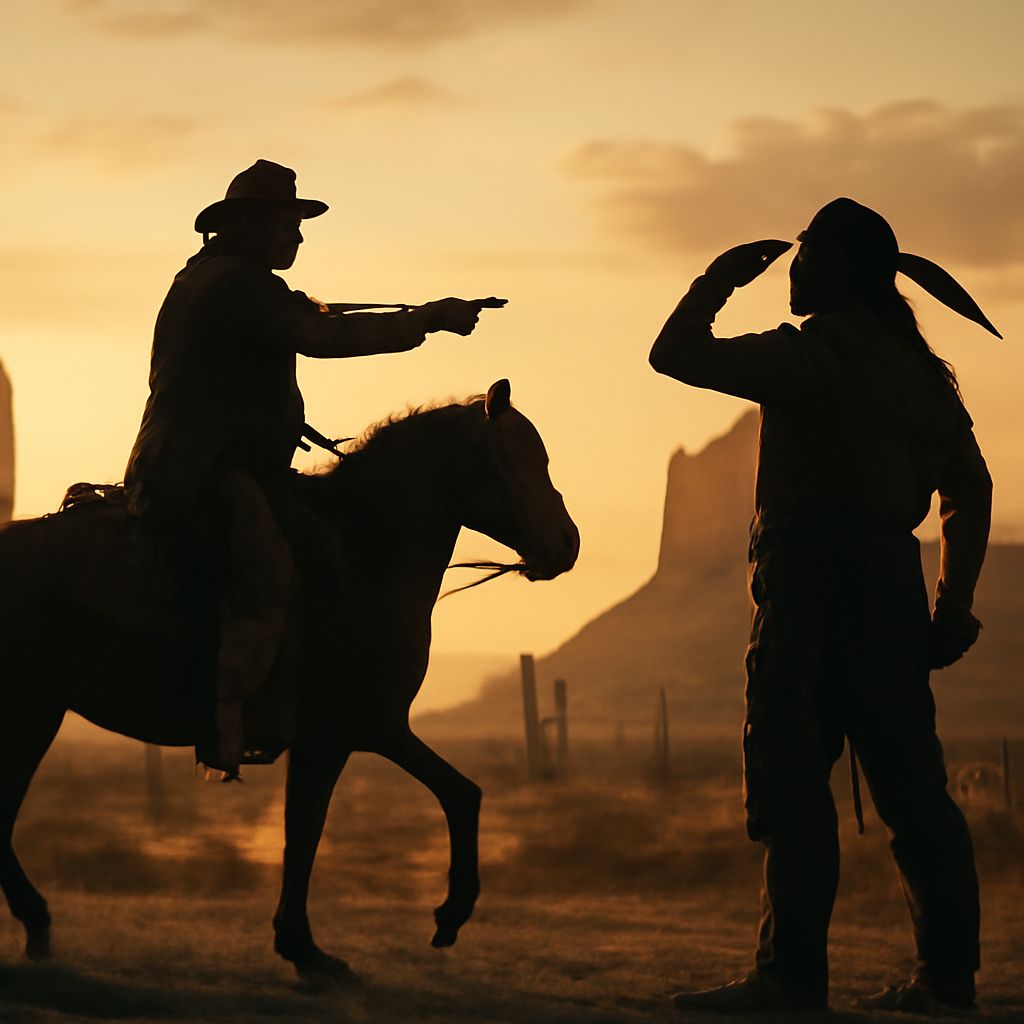
The phrase cowboys and indians immediately evokes images of epic standoffs, sweeping Western landscapes, and tales of adventure and conflict in the American West. This genre, rooted in stories from the late 19th and early 20th centuries, became a defining fixture in literature, film, television, and even childhood games. Its impact has been profound, shaping both the myth and reality of how the American West is remembered and reimagined in popular culture. Below, we explore what defines the cowboys and indians genre, how it influenced American ideas and entertainment, and the ways it continues to evolve in the modern era.
What is the Cowboys and Indians Genre?
The cowboys and indians genre centers on the dramatic interactions, conflicts, and alliances between European-American settlers—often portrayed as cowboys, lawmen, or pioneers—and Native American peoples. Originally inspired by real events from western expansion, these stories grew in popularity through dime novels, stage shows, and, eventually, movies and television. The genre often features iconic elements such as cattle drives, horseback chases, shootouts, and the rugged landscapes of the Great Plains, deserts, and mountains.
Classic examples include films like The Searchers (1956), Stagecoach (1939), and Dances with Wolves (1990). In literature, authors like Zane Grey and Louis L’Amour helped popularize these stories, while comic books and radio dramas further entrenched the genre in American life. The central narrative was typically one of frontier justice, survival, and the tension between “civilization” and the untamed wilderness, often embodied in the dichotomy between cowboys and indians.
The genre’s appeal lay in its blend of action, moral dilemmas, and a nostalgic view of a mythic past. Cowboys were usually depicted as rugged individuals or heroic outsiders. Native Americans were frequently portrayed through stereotypes, often as noble antagonists or tragic victims, though some works offered more nuanced characters and perspectives over time.
This genre also manifested in toys, costumes, and games, reflecting its deep penetration into childhood play and educational materials. The phrase “cowboys and indians” became shorthand for a whole style of storytelling—one that came to represent an idealized, often simplified vision of the American frontier experience.
How the Genre Shaped American Imagination
The cowboys and indians genre did more than merely entertain; it significantly shaped cultural narratives about the United States. Through countless films, TV shows, pulp novels, and even school textbooks, audiences absorbed a vision of the West defined by individualism, courage, and confrontation with the unknown.
Hollywood played a decisive role in amplifying the genre’s influence. Westerns became a dominant form of cinema from the 1930s through the 1960s, with stars like John Wayne and Gary Cooper embodying the archetypal cowboy. Directors such as John Ford and Howard Hawks established enduring visual and thematic templates: wide landscapes, tense showdowns, and the motif of the lone hero standing up for justice.
Yet, the genre also shaped attitudes toward Native Americans, frequently presenting them as obstacles to progress or as “others” in need of taming or saving. This perspective directly influenced how generations of Americans understood westward expansion, often glossing over the violence, displacement, and complexity of real historical events. At the same time, select works began to complicate these portrayals. Films like Little Big Man (1970) and Smoke Signals (1998) offered more sympathetic and authentic depictions of Native lives and histories.
Outside of visual media, the motif of cowboys and indians extended to fashion, music, and tourism. Cowboy boots, hats, and Western motifs became symbols of American identity, while rodeos and historical reenactments kept the genre’s imagery alive for new generations. The genre’s reach is evident in branding—from sports teams to restaurants—using cowboy or Native American imagery to evoke ruggedness, adventure, and tradition.
Legacy and Modern Perspectives
Today, the legacy of the cowboys and indians genre is both celebrated and scrutinized. While early portrayals cemented enduring stereotypes, contemporary creators and critics have called for more honest and nuanced representations. Indigenous filmmakers, writers, and activists have increasingly told their own stories, challenging the genre’s traditional narratives and highlighting the diversity and resilience of Native cultures.
Modern Westerns like Hostiles (2017) and series such as Yellowstone and Reservation Dogs reflect this evolution, blending classic elements with more realistic and inclusive perspectives. Novels and memoirs from Indigenous authors, such as Tommy Orange’s There There, offer powerful counter-narratives to the mythic West depicted in traditional cowboys and indians tales.
In educational settings and public discourse, there is now greater awareness of the real history behind the genre—emphasizing the impact of colonization, broken treaties, and Native resistance. Museums and heritage sites increasingly collaborate with Native communities to present a fuller picture of the American West, moving beyond the simplified binary of cowboys versus indians.
The genre continues to inspire new stories and creative works, but with a growing emphasis on authenticity, respect, and complexity. As audiences seek more balanced and insightful explorations of the past, the cowboys and indians genre remains a living, evolving testament to the enduring power—and the ongoing reexamination—of the American West in our cultural imagination.