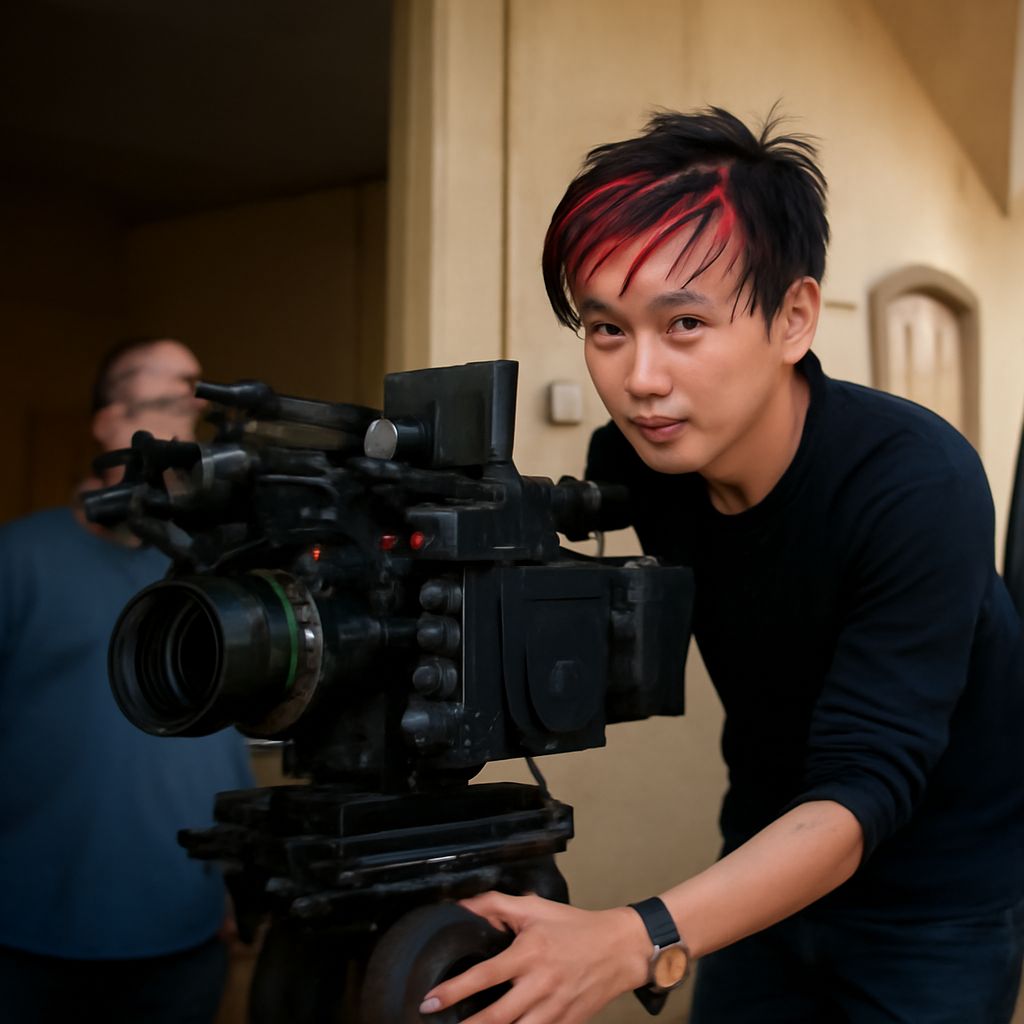
James Wan stands as one of the most influential filmmakers in contemporary cinema, widely credited with reshaping modern horror. From his breakout debut with Saw to developing blockbuster franchises like The Conjuring Universe and venturing into action spectacles, Wan’s unique vision and storytelling have made a permanent mark on Hollywood. This article explores Wan’s story, his most important films, how he changed the horror landscape, and his expanding impact beyond the genre.
Who is James Wan?
James Wan is an Australian filmmaker and producer recognized for his innovative approach to horror and genre films. Born in Malaysia in 1977 and raised in Australia, Wan attended the Royal Melbourne Institute of Technology, where he honed his craft in filmmaking. His partnership with screenwriter Leigh Whannell led to his first major project—Saw (2004)—which became an unexpected box office phenomenon and established his reputation as a director who could blend suspense, fear, and narrative complexity.
Wan quickly became a sought-after director in Hollywood. His ability to craft genuinely frightening and stylish films set him apart in the industry. While horror is his calling card, Wan has proven himself to be a versatile storyteller. He is equally adept at large-scale action and superhero films, making him a rare talent with crossover appeal. His production company, Atomic Monster, further allows him to develop and mentor new creators, helping shape the future of genre cinema.
As of 2024, James Wan is not only a key figure in horror but also a trusted name in Hollywood franchises, regularly collaborating with major studios and producing hit films that appeal to both genre fans and mainstream audiences.
James Wan’s Most Influential Films
Wan’s filmography is defined by several groundbreaking hits that have left a lasting legacy. His directorial debut, Saw, ignited a new wave of horror by introducing inventive plot twists and a morally complex villain in Jigsaw. The film’s massive success spawned a franchise and made “torture horror” part of mainstream conversations, but Wan himself moved on after the first installment to pursue new creative directions.
Insidious (2010) marked Wan’s return to supernatural horror. Working again with Whannell, he crafted a chilling narrative rooted in astral projection and haunted families. Its haunting atmosphere and innovative jump scares revived interest in ghost stories and cemented Wan’s reputation for atmospheric horror. Insidious also established a blueprint for modern haunted house films, influencing countless successors.
Perhaps Wan’s most significant contribution to horror is The Conjuring (2013). Drawing inspiration from real-life paranormal investigators Ed and Lorraine Warren, the film blended old-school tension with modern scares. Its enormous success led to a sprawling cinematic universe, including Annabelle, The Nun, and multiple sequels. The Conjuring Universe stands as the highest-grossing horror franchise of all time, and its interconnected storytelling owes much to Wan’s vision and oversight.
Wan has also made his mark outside horror. He directed Furious 7 (2015), a global box office hit, and Aquaman (2018), which became the highest-grossing DC Extended Universe film at the time. These projects showcased his skill with large-scale action, visual effects, and ensemble casts, proving his directorial talents transcend genres.
How James Wan Changed the Horror Genre
James Wan transformed horror by prioritizing psychological tension over cheap scares. Even in Saw, while graphic, the terror stemmed from moral choices and the psychology of its characters. In films like Insidious and The Conjuring, Wan returned to the fundamentals—building atmosphere, using practical effects, and relying on sound design and camera work to generate suspense.
One hallmark of Wan’s style is his mastery of the “long take” and creative camera movement. These techniques draw viewers into the scene, heightening anxiety and immersion. Wan’s emphasis on practical effects, minimal CGI, and meticulously crafted set pieces gives his scares a tangible, visceral quality. Critics and fans alike praise his ability to blend classic horror with modern filmmaking flair.
Wan also pioneered the concept of the horror cinematic universe. Instead of stand-alone films, he envisioned stories that could interconnect, share lore, and expand through spin-offs. This approach revitalized interest in horror franchises and provided audiences with fresh narrative experiences. The Conjuring Universe, in particular, demonstrates how horror can be both critically acclaimed and commercially successful when anchored by strong storytelling and consistent creative direction.
Beyond Horror: Wan’s Expanding Legacy
James Wan’s influence reaches well beyond the boundaries of horror. His work in action and superhero cinema with Furious 7 and Aquaman proved his versatility. He brought suspenseful pacing and inventive visuals to blockbuster franchises, earning respect from studios and audiences worldwide. Wan’s action set pieces are characterized by clarity, energy, and emotional stakes—a hallmark that elevates even the most extravagant sequences.
As a producer, Wan empowers other filmmakers to pursue bold ideas within the genre. Through Atomic Monster, he supports new projects and talents, ensuring the horror genre continues to evolve. He’s also involved in television, developing series adaptations and original concepts that build on his cinematic sensibilities.
James Wan’s career is a testament to the power of vision and innovation in film. Whether crafting intimate scares or grand spectacle, he remains one of the defining voices of 21st-century cinema, inspiring both audiences and future filmmakers.