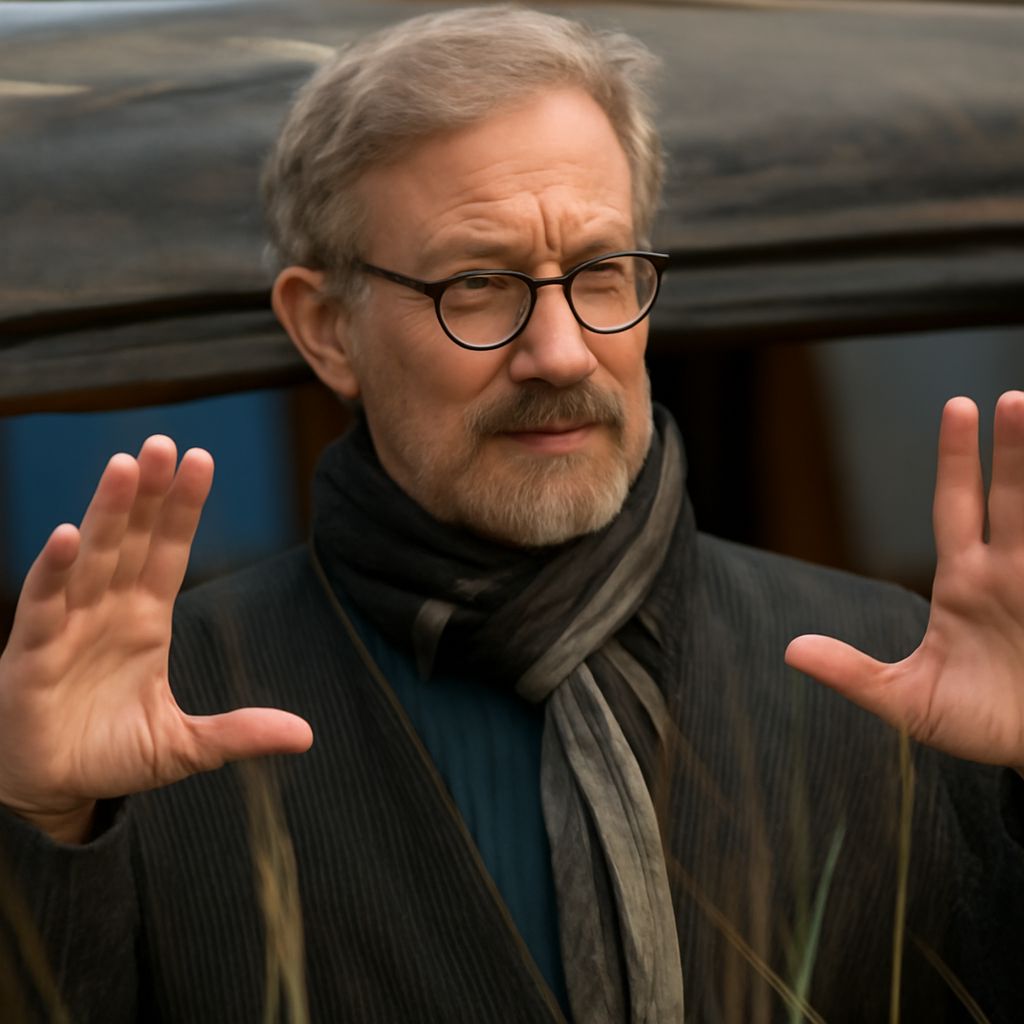
A movie director is the creative leader of a film production, responsible for turning a script into a compelling visual story. The director oversees every creative aspect of a movie, from casting and performances to the look, pace, and emotional tone. By collaborating with the cast and crew, the director ensures the film’s vision is realized cohesively and authentically on screen. This role requires a unique blend of artistic vision, leadership, and technical expertise to guide a project from concept to final cut.
Understanding the Role of a Movie Director
The movie director serves as the driving force behind a film’s creative direction. They interpret the screenplay, set the visual style, and make crucial decisions about the tone and mood of the movie. The director’s vision influences every frame—from the way scenes are shot to how actors deliver their lines. This leadership role not only shapes the story but also unifies the many departments involved in filmmaking, including cinematography, production design, and sound.
Directors are responsible for translating abstract ideas into tangible scenes, working closely with the screenwriter to refine the narrative. During pre-production, they scout locations, participate in casting, and collaborate with costume and set designers to establish the world of the film. Throughout production, the director manages on-set dynamics and makes real-time creative choices that determine the final outcome.
The relationship between a director and their crew is crucial. Directors must inspire trust and encourage collaboration. They act as both creative visionaries and practical problem-solvers, adapting to challenges to keep the project on track while maintaining artistic integrity.
Key Responsibilities of a Movie Director
A movie director’s responsibilities span every phase of filmmaking. In pre-production, directors work with producers to establish a budget and schedule, review scripts, and assemble the creative team. They oversee casting sessions, ensuring actors are well-suited for their roles and align with the film’s vision. Directors also participate in technical planning, such as storyboard creation and shot listing, to communicate their ideas to the cinematographer and other department heads.
During production, the director guides actors’ performances, blocking their movements and interpreting emotional beats. They make decisive calls on set, adjusting scenes for pacing, energy, and clarity. The director communicates constantly with the director of photography about camera angles, lighting, and shot composition, ensuring that each scene supports the story’s goals.
Post-production is another key responsibility. Directors work with editors to select the best takes, shape the film’s flow, and oversee sound design, music, and visual effects. Their input shapes everything from the intensity of a musical score to the subtleties of color grading. Ultimately, the director ensures the film delivers the intended emotional impact and meets the highest standards of quality before release.
Essential Skills Every Movie Director Needs
Successful movie directors combine creativity with strong leadership and communication skills. Vision is essential—the ability to imagine how a script will translate to the screen and inspire a team to bring it to life. Directors must also be adept decision-makers. They routinely face time-sensitive choices, from resolving technical issues to recasting a role or restructuring a scene on short notice.
Communication is at the core of directing. A movie director must clearly articulate their vision to actors, crew members, and producers. This means being open to feedback, managing conflicts, and unifying a diverse team around a shared goal. Empathy and emotional intelligence help directors guide actors to truthful performances while maintaining morale on set.
Technical knowledge is another vital skill set. Directors should understand camera operation, lighting, sound, and editing, enabling them to collaborate effectively with department specialists. Organizational skills are also critical; directors juggle complex schedules, budgets, and logistical challenges, ensuring that every element of production comes together smoothly.
Finally, adaptability sets great directors apart. Film shoots are unpredictable, and directors must solve problems creatively while maintaining focus on the story and audience experience. The best directors thrive under pressure and turn obstacles into opportunities for innovation.
Famous Movie Directors and Their Impact
Throughout film history, prominent movie directors have shaped the industry through their distinct styles and innovative storytelling. Alfred Hitchcock, known as the “Master of Suspense,” defined the thriller genre with his meticulous visual techniques and narrative twists. Steven Spielberg revolutionized blockbuster filmmaking with movies like Jaws and E.T., combining technical mastery with emotional storytelling. Martin Scorsese brought gritty realism and deep character exploration to films such as Taxi Driver and Goodfellas.
Directors like Kathryn Bigelow, the first woman to win an Academy Award for Best Director, have expanded the possibilities for representation and storytelling in Hollywood. Quentin Tarantino’s unique dialogue and nonlinear narratives have influenced an entire generation of filmmakers. More recently, directors like Greta Gerwig and Bong Joon-ho have demonstrated how bold, original vision can resonate globally, winning critical acclaim and commercial success.
The lasting impact of these directors is evident not only in their filmographies but also in the ways they inspire new talent and shift the boundaries of what movies can achieve. Their careers illustrate how a compelling vision and mastery of craft can transform both individual films and the broader cinematic landscape.