John Woo is one of the most influential filmmakers in modern cinema, renowned for revolutionizing action movies with his distinctive style, emotional storytelling, and unforgettable set pieces. Across Hong Kong and Hollywood, Woo’s direction elevated the action genre, inspiring generations of directors and leaving a permanent mark on global film culture. This article explores who John Woo is, what makes his movies unique, which films define his career, and how his techniques continue to shape cinema today.
Who Is John Woo?
John Woo is a Hong Kong-born film director, producer, and screenwriter best known for his work in action cinema. Born in 1946, Woo’s early life in Guangzhou and later Hong Kong greatly influenced his artistic vision and narrative themes. He began his career in the 1970s at Shaw Brothers Studio, initially directing martial arts and comedies, but found his true calling in action filmmaking. His breakthrough came with the 1986 release of A Better Tomorrow, which redefined the Hong Kong crime genre and launched him to international fame.
Woo’s films are characterized by their emotional core, often focusing on brotherhood, loyalty, and redemption. He quickly became synonymous with the “heroic bloodshed” genre—a blend of stylized violence, melodrama, and strong moral codes. Hollywood took notice, and by the early 1990s, John Woo had begun working in the United States, directing major studio films and introducing his unique vision to Western audiences.
Throughout his career, Woo has collaborated with iconic actors such as Chow Yun-fat, Tony Leung, Nicolas Cage, and John Travolta. His ability to blend Eastern and Western cinematic traditions has earned him a legendary status among filmmakers and movie fans alike.
John Woo’s Signature Style and Innovations
John Woo’s style is instantly recognizable and has become a template for action filmmaking worldwide. His movies are famous for their balletic gunfights, slow-motion sequences, and symbolic use of imagery—particularly white doves, which often appear during climactic moments to heighten emotional impact. Woo’s action scenes are meticulously choreographed, combining fluid camera movement with dynamic editing to create tension, rhythm, and a sense of operatic grandeur.
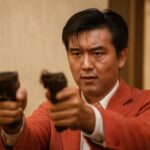
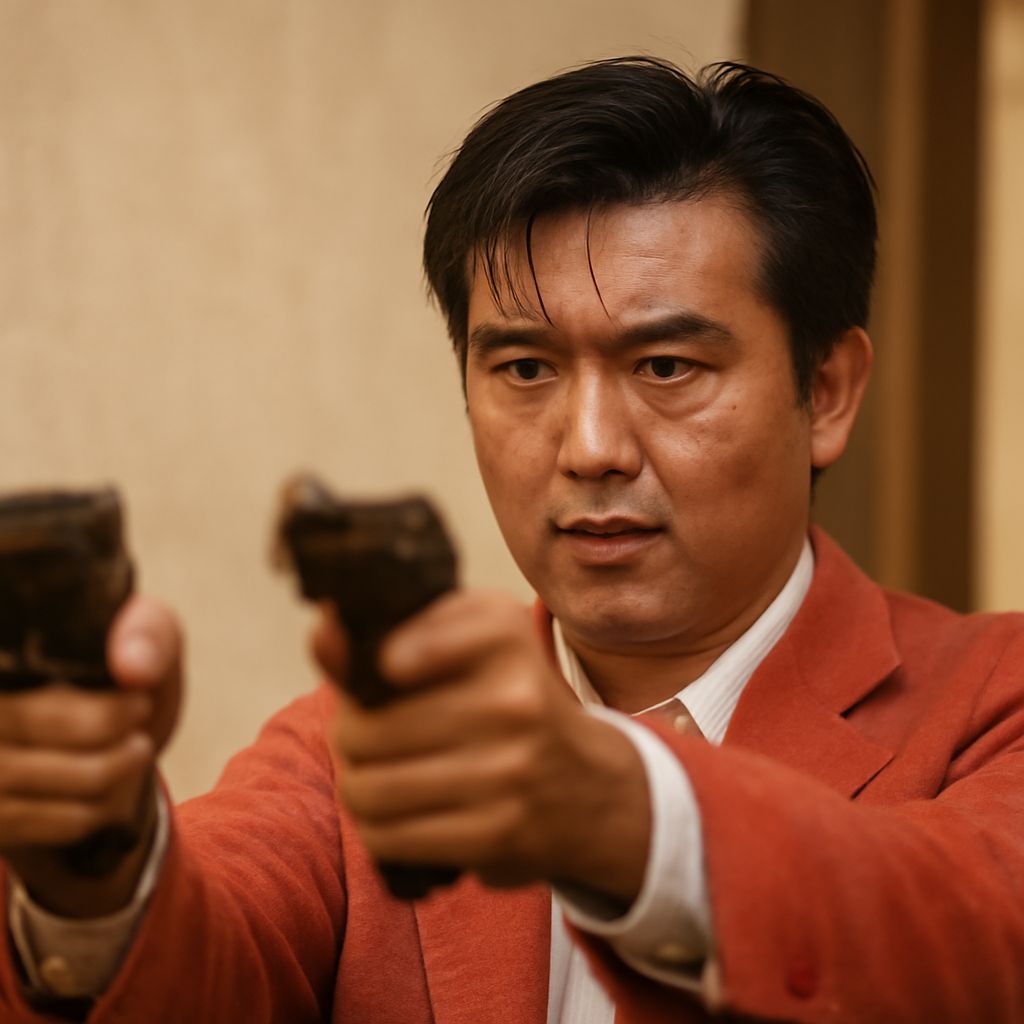
One of his most significant contributions is the “gun-fu” technique, which mixes traditional martial arts with firearms combat. This innovation allowed for more expressive and visually spectacular shootouts, turning violence into a kind of cinematic poetry. Woo’s use of dual-wielded pistols, tight close-ups, and dramatic standoffs has become iconic and is frequently imitated by other directors.
Beyond action, Woo is praised for injecting heart and pathos into his stories. Characters are rarely one-dimensional; their inner conflicts and relationships drive the narrative as much as any set piece. Themes of honor, sacrifice, and the blurred line between good and evil are central to his storytelling. In films like Hard Boiled and The Killer, the fusion of emotional depth and explosive action set a new standard for the genre.
Woo’s editing techniques—such as cross-cutting between simultaneous battles and using montage to build suspense—have inspired countless action and thriller directors. His visual and narrative trademarks have influenced not only Hong Kong cinema but also Hollywood blockbusters, anime, and video games.
Essential John Woo Films to Watch
Several John Woo films are must-sees for anyone interested in action cinema or the evolution of modern filmmaking. A Better Tomorrow (1986) is considered the film that put Woo on the map, showcasing his blend of emotional storytelling and stylized violence. The film’s success launched a wave of similar movies in Hong Kong and introduced Chow Yun-fat as an international star.
The Killer (1989) is perhaps Woo’s most influential Hong Kong film, combining operatic action with a tragic tale of loyalty and redemption. Its gun battles and central relationship between assassin and cop have inspired directors worldwide. Hard Boiled (1992) pushed action choreography and stunt work to new heights, featuring legendary shootouts and one of the most intense hospital sequences ever filmed.
After moving to Hollywood, Woo directed Hard Target (1993) and Broken Arrow (1996), both of which brought his signature techniques to Western audiences. His biggest American hits, Face/Off (1997) starring John Travolta and Nicolas Cage, and Mission: Impossible 2 (2000), showcased his talent for blending action spectacle with complex character dynamics. These films remain benchmarks for Hollywood action and cemented Woo’s global reputation.
More recently, Woo returned to Asia to direct epic dramas such as Red Cliff (2008-2009), a two-part historical film that combined large-scale battle scenes with rich characterization. This film demonstrated his versatility and reaffirmed his status as a master visual storyteller.
John Woo’s Lasting Influence on Cinema
John Woo’s influence extends far beyond his own filmography. Directors like Quentin Tarantino, Robert Rodriguez, and the Wachowskis have cited Woo as a direct inspiration, incorporating his slow-motion gunplay and hyper-stylized action into their own work. The “gun-fu” style has become a staple in Hollywood, visible in franchises such as The Matrix and John Wick.
Woo’s approach to action choreography and emotional storytelling helped shift Western attitudes towards the genre, proving that action films could be both visually thrilling and deeply moving. His impact is also seen in video games (like the Max Payne series) and anime, where balletic violence and heroic conflict have become common tropes.
In Hong Kong, Woo’s legacy paved the way for a new generation of filmmakers, including Johnnie To and Wilson Yip, who continue to explore themes of loyalty and morality through action. His signature style remains a gold standard for blending spectacle with substance, and his movies are regularly studied in film schools worldwide.
Today, John Woo is celebrated not only as a master of action but also as a storyteller who brought emotion and artistry to a genre often dismissed as pure entertainment. His career serves as a blueprint for directors seeking to innovate and elevate the possibilities of cinema.