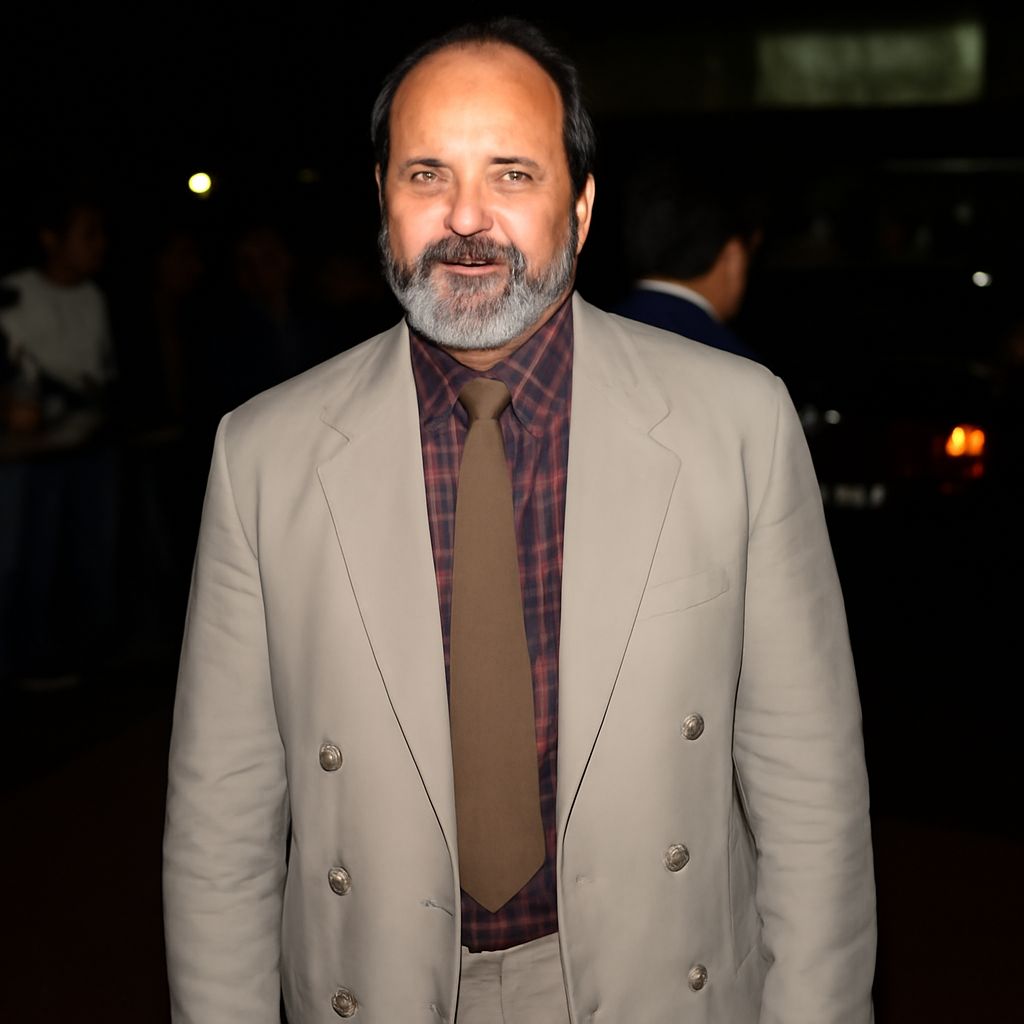
Brian De Palma is a towering figure in the world of cinema, celebrated for his masterful command of suspense and stylish direction. Known for films that keep audiences on the edge of their seats, De Palma’s work has left a significant mark on the film industry. Let’s delve into the life and career of this cinematic genius, explore his signature techniques, and examine his influence on modern filmmaking.
A Look at Brian De Palma’s Early Life and Career
Born on September 11, 1940, in Newark, New Jersey, Brian De Palma grew up with a strong interest in science, but his path took a dramatic turn when he discovered a passion for film. He attended Columbia University, where he initially pursued physics, but soon shifted his focus to the arts. After completing his studies, De Palma started making short films, which paved the way for his entry into Hollywood. His early works, such as “Greetings” (1968), laid the foundation for a career defined by bold storytelling and innovative techniques.
Signature Style and Techniques
De Palma is renowned for his distinctive style, often characterized by suspenseful narratives, complex camera work, and intricate editing. One of his hallmark techniques is the use of split screens, which allows viewers to see multiple perspectives simultaneously, heightening tension and engagement. De Palma also frequently employs long tracking shots, creating an immersive experience that draws audiences deeper into the story. His films often explore themes of voyeurism, deception, and identity, leaving a lasting impression with their psychological depth and visual flair.
Iconic Films That Define His Legacy
Several films in De Palma’s oeuvre have become iconic in the thriller genre. “Carrie” (1976), an adaptation of Stephen King’s novel, is a chilling tale of high school revenge that showcases De Palma’s talent for building suspense. “Scarface” (1983), starring Al Pacino, is another landmark film, offering a gritty portrayal of ambition and downfall. “The Untouchables” (1987) further cemented his reputation, combining historical drama with thrilling action sequences. Each of these films demonstrates De Palma’s ability to blend style with storytelling, creating unforgettable cinematic experiences.
Influence on Modern Filmmaking
Brian De Palma’s influence extends beyond his own filmography. His innovative techniques and narrative style have inspired a new generation of filmmakers. Directors such as Quentin Tarantino and Christopher Nolan have cited De Palma as an influence, particularly in their use of suspense and complex narrative structures. De Palma’s approach to visual storytelling continues to resonate, proving that his cinematic legacy endures in contemporary filmmaking.