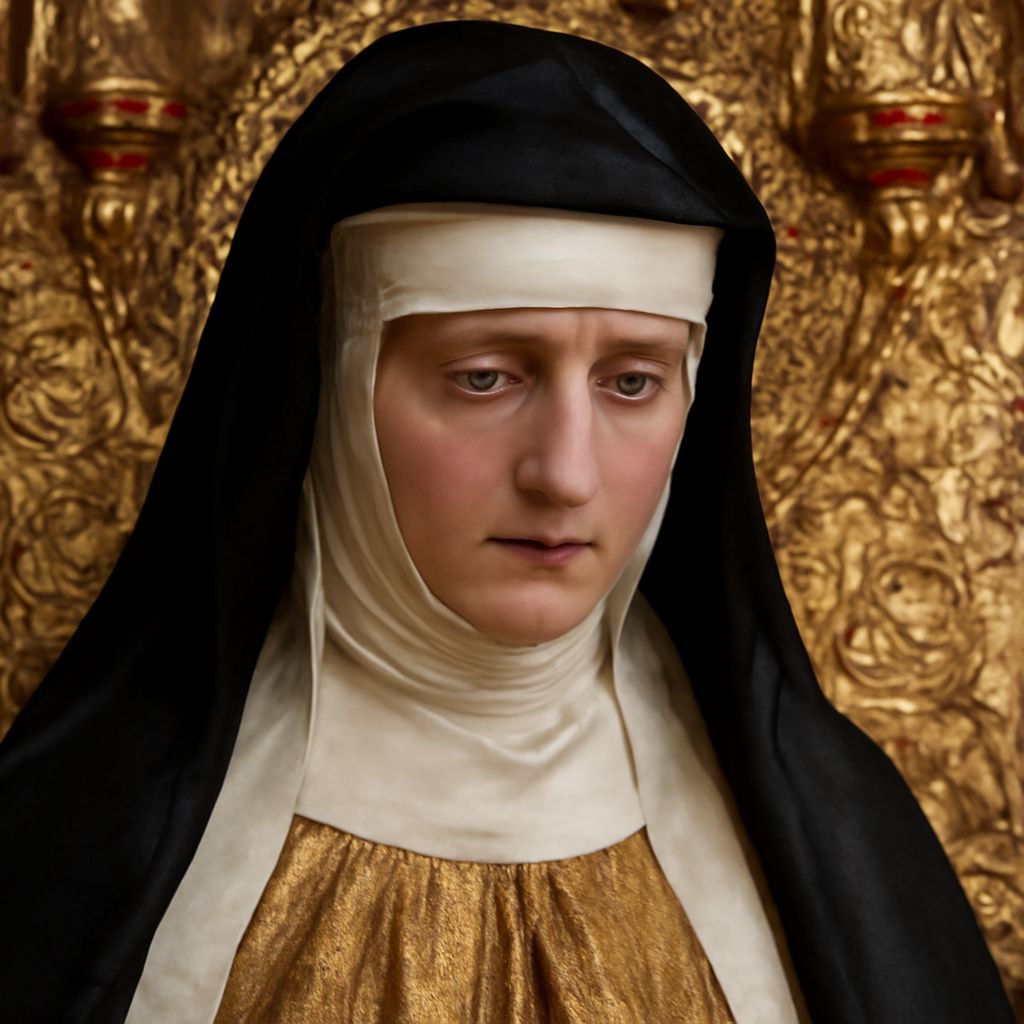
Hildegard of Bingen, a remarkable figure of the 12th century, left an indelible mark on the world through her multifaceted contributions to music, philosophy, and spirituality. Known as a visionary, Hildegard’s work continues to resonate, influencing various domains and inspiring many modern scholars and artists. Her legacy, often compared to giants like Beethoven and Paganini, highlights her significant impact on cultural and intellectual history.
Hildegard of Bingen: A Visionary Mind
Hildegard of Bingen was a Benedictine abbess, writer, composer, and philosopher. Born in 1098, she was a woman ahead of her time, possessing a profound intellect and a visionary spirit. Hildegard experienced vivid visions from a young age, which she later described in her works. These visions, often centered on divine and spiritual themes, were compiled in texts such as “Scivias” and “Liber Divinorum Operum.”
Her writings extended beyond theological musings, covering topics like medicine and natural sciences. Hildegard’s holistic approach to health and her understanding of the natural world reflect a keen insight that predated much of modern scientific thought. Her visionary experiences and scholarly works earned her a place among the most influential medieval thinkers, with her canonization as a saint affirming her impact on the Catholic Church.
Hildegard’s Musical Contributions
Hildegard of Bingen’s influence extends significantly into the realm of music. She composed a vast body of work, including “Ordo Virtutum,” a morality play and one of the earliest known musical dramas. Her compositions, characterized by soaring melodies and spiritual depth, were innovative for their time, deviating from the traditional Gregorian chant by incorporating wide melodic leaps and expressive intensity.
Her music was deeply tied to her visions and spiritual beliefs, often serving as a medium to express her theological ideas. The “Symphonia Armoniae Celestium Revelationum” is a collection of her musical pieces that embody her unique style, blending divine inspiration with artistic expression. Hildegard’s music not only enriched the liturgical practices of her time but also laid a foundation that influenced the development of Western music.
Comparing Her Influence to Beethoven and Paganini
While Hildegard of Bingen’s contributions were rooted in the medieval period, her influence can be compared to later musical legends like Beethoven and Paganini. Each of these composers brought transformative changes to their musical landscapes, though in different contexts and eras.
Beethoven, known for his symphonies and innovative compositions, transformed classical music by pushing the boundaries of form and expression. His ability to convey profound emotion and his expansion of the orchestra’s role in music likened him to a revolutionary force in the world of symphonic music.
Paganini, a virtuoso violinist, revolutionized violin technique and performance. His contributions were marked by technical brilliance and showmanship, inspiring generations of musicians and composers to explore new possibilities in instrumental music.
Hildegard’s influence, in contrast, is found in her pioneering spirit and her ability to integrate spiritual and artistic expression. While Beethoven and Paganini reshaped performance and compositional techniques, Hildegard’s legacy lies in her ability to transcend the limitations of her time, offering a unique fusion of music, spirituality, and intellectual thought. Her works continue to inspire musicians, theologians, and scholars alike, establishing her as a timeless figure in the history of music and culture.