
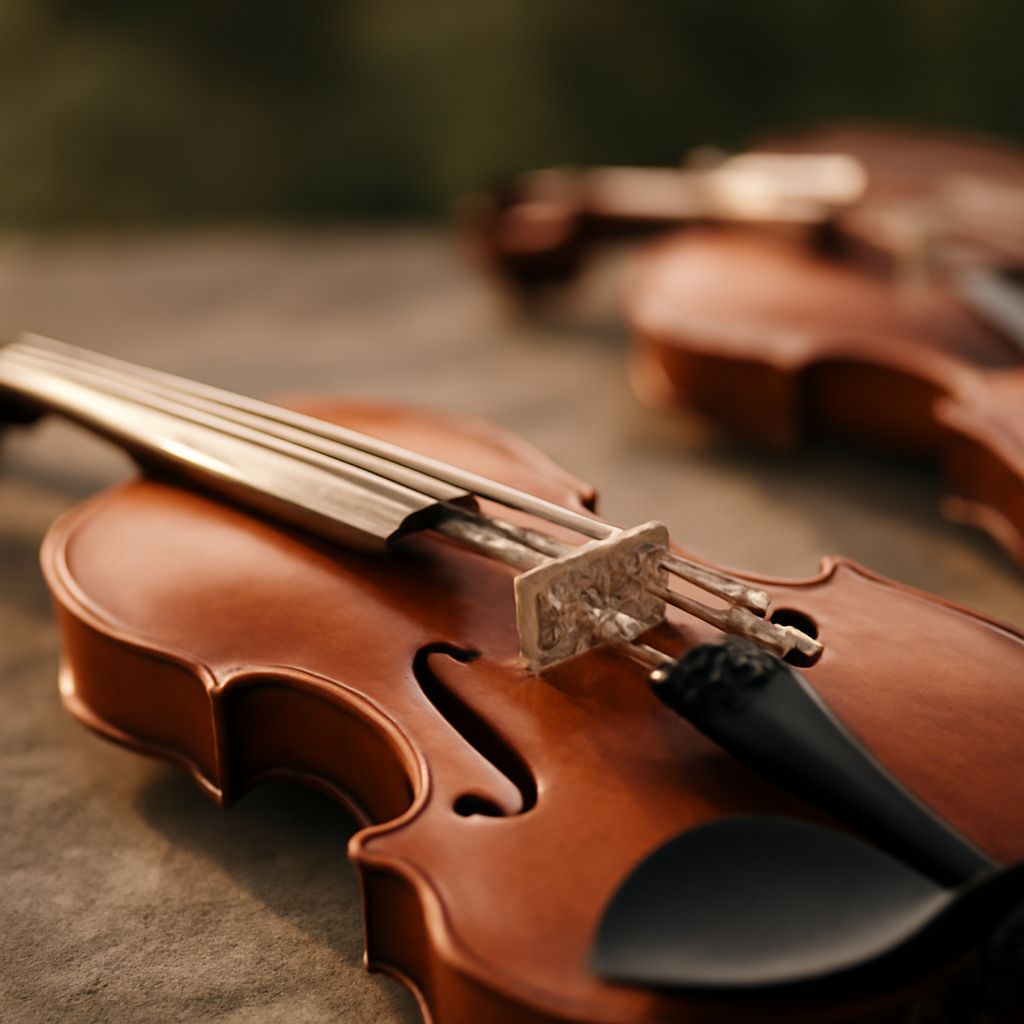
Modern classical music is a fascinating blend of traditional and contemporary elements, offering a fresh perspective on classical traditions. This genre continues to evolve, shaped by innovative composers who infuse new ideas into the age-old art form. Let’s delve into the world of modern classical music and explore the famous modern composers who are leading the charge.
Understanding Modern Classical Music
Modern classical music refers to compositions that emerged from the late 19th century to the present day, characterized by a departure from the strict forms and structures of earlier periods. Composers experiment with harmony, rhythm, and form, often incorporating elements from different music genres and cultures. This genre is marked by its diversity, with influences ranging from minimalism to electronic music, making it a dynamic and ever-evolving field.
Famous Modern Composers You Should Know
Several composers have significantly impacted modern classical music, each bringing unique styles and innovations. Among them:
- Philip Glass: Known for his minimalist compositions, Glass has deeply influenced contemporary music with his repetitive structures and innovative use of rhythm.
- John Adams: With a style often described as post-minimalist, Adams’s works blend traditional orchestration with modern themes, creating accessible yet profound music.
- Arvo Pärt: An Estonian composer, Pärt is renowned for his “tintinnabuli” style, which creates a calming, meditative sound that resonates deeply with listeners.
- Kaija Saariaho: A Finnish composer whose work is celebrated for its rich textures and exploration of timbre and sound color, often inspired by nature and lyrical themes.
Influence of Beethoven and Paganini on Modern Composers
Although modern classical music diverges from the past, the influence of classical giants like Beethoven and Paganini is undeniable. Beethoven’s bold innovations in form and harmony paved the way for composers to push boundaries and explore new musical landscapes. Likewise, Paganini’s virtuosity and expressive techniques inspired a generation of composers to focus on technical prowess and emotional depth.
Modern composers draw on these influences to create music that respects tradition while embracing new possibilities. Whether it’s through thematic development, structural experimentation, or expressive performance, the legacy of these great composers continues to inspire and inform the modern classical scene.