The world of cinema owes its existence to the groundbreaking inventions that came about during the late 19th century. This era marked the birth of motion pictures and the movie camera, devices that would forever change entertainment and art. The journey to create these technologies was driven by inventors who wanted to capture life in motion, creating a completely new medium for storytelling.
The Birth of Motion Pictures
The invention of motion pictures is credited to multiple pioneers who made significant contributions to what would become modern cinema. The initial attempts to capture and project moving images can be traced back to the 1870s. However, it was not until the 1890s that motion pictures truly began to take shape as a viable form of entertainment.
One of the earliest successes was the Kinetoscope, developed by Thomas Edison and his assistant, William Kennedy Laurie Dickson. This device allowed a person to view moving pictures through a peephole. Although it was not a projector, the Kinetoscope laid the groundwork for future innovations in motion pictures.
The Innovators Behind the Movie Camera
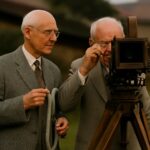
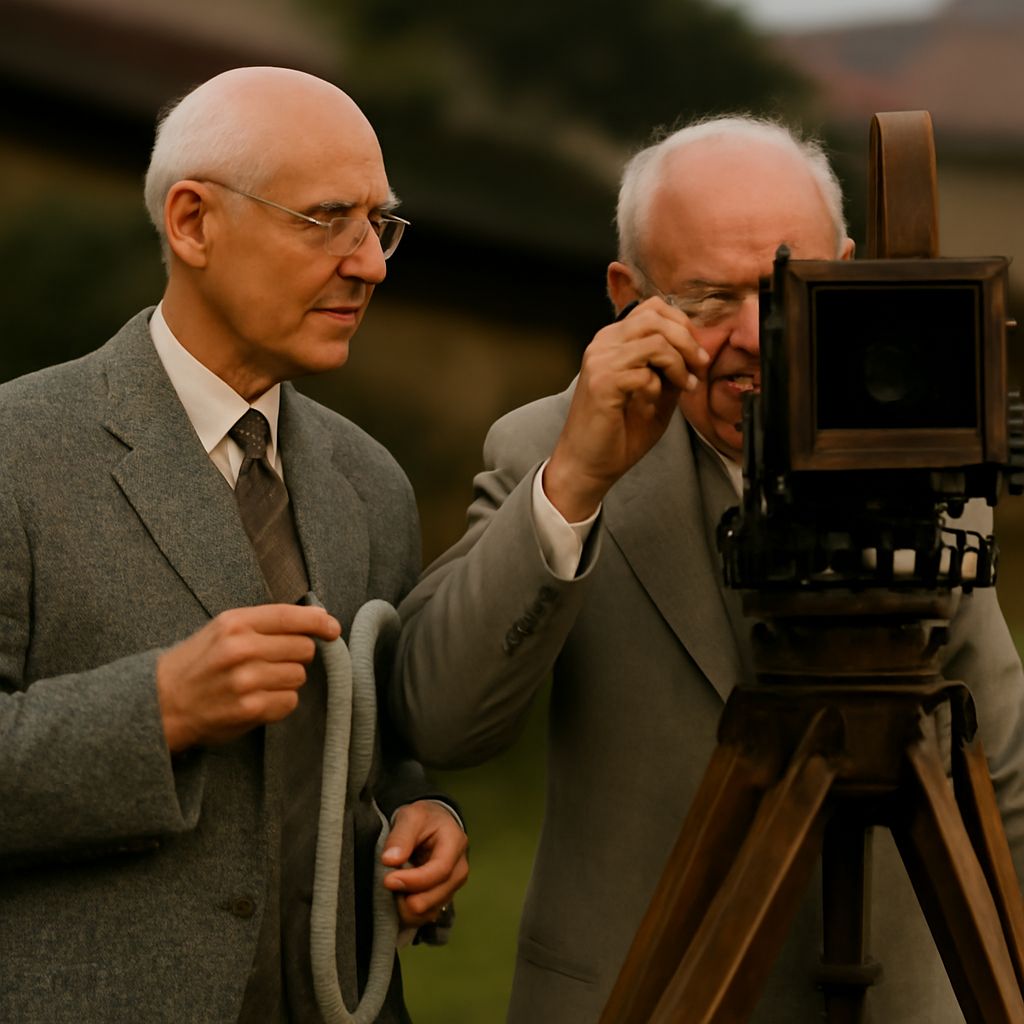
When discussing who invented the movie camera, Thomas Edison and his team often come to mind. However, credit is also due to other inventors who played pivotal roles. Among them is Louis Le Prince, a French inventor who created the first known motion picture camera in the late 1880s. His single-lens camera was used to shoot the Roundhay Garden Scene in 1888, one of the earliest surviving motion picture films.
The Lumière Brothers, Auguste and Louis Lumière, were also instrumental in the development of the movie camera. They patented the Cinématographe in 1895, a device that functioned as a camera, projector, and film printer. The Cinématographe was more portable and practical than previous inventions, making it possible to screen films to a larger audience. The Lumières are often credited with bringing cinema to the masses with their first public screening in Paris on December 28, 1895.
How Early Motion Pictures Were Made
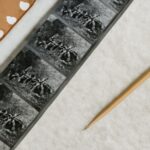
Early motion pictures were made using film strips, which were passed through a camera at a rapid speed to capture sequential photographs. These images were then projected in quick succession to create the illusion of movement.
The production of early films was an entirely manual process. Filmmakers had to physically crank the film through cameras and projectors, which required precise coordination to maintain a consistent speed and frame rate. The earliest films were black and white, silent, and typically very short, often just a few minutes long. Despite these limitations, filmmakers quickly learned to craft engaging stories, utilizing various techniques like stop motion and multiple exposures to enhance their narratives.
The Impact on Modern Cinema
The innovations in motion picture technology set the stage for the cinematic art form that we enjoy today. The development of synchronized sound, color film, and digital technology have all built upon the foundational work of these early pioneers.
Modern cinema owes much to the imaginative inventors who pursued the dream of capturing life in motion. The ability to tell stories through film has become a powerful medium for cultural expression and entertainment worldwide. The contributions of early inventors like Thomas Edison, Louis Le Prince, and the Lumière Brothers continue to resonate throughout the film industry, inspiring new generations of filmmakers to push the boundaries of what is possible on screen.