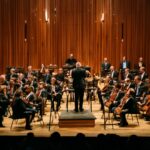

The “Hallelujah Chorus” from Handel’s “Messiah” is one of the most celebrated pieces in classical music. Known for its uplifting melody and powerful lyrics, it has captivated audiences since its debut in 1742. The chorus is not only a musical masterpiece but also a profound expression of joy and reverence, encapsulated in its lyrics.
The Significance of the Hallelujah Chorus
The “Hallelujah Chorus” holds a significant place in both religious and musical contexts. It is often performed during Easter and Christmas, bearing a tradition of standing during its performance, a custom said to have originated with King George II. The chorus serves as a climactic point in Handel’s “Messiah,” marking the end of the second part of the oratorio. Its powerful declaration of “Hallelujah” resonates with audiences, celebrating the resurrection and omnipotence of Christ.
Exploring Handel’s Musical Genius
George Frideric Handel’s composition of the “Hallelujah Chorus” demonstrates his exceptional ability to blend text with music. Handel’s use of contrasting dynamics, intricate harmonies, and orchestrated grandeur showcases his musical genius. The chorus features alternating patterns between the choir and orchestra, creating a dramatic effect that enhances the lyrical content. The strategic repetition of the word “Hallelujah” builds intensity, leaving a lasting impression of exaltation.
Themes and Messages in the Lyrics
The lyrics of the “Hallelujah Chorus” are drawn from Biblical texts, primarily from the Book of Revelation. The repeated exclamation of “Hallelujah” signifies praise and worship, reflecting a theme of divine glory and triumph. The lyrics also emphasize the eternal reign of Christ, with lines such as “For the Lord God omnipotent reigneth” and “King of Kings, and Lord of Lords.” These phrases reinforce the message of divine authority and everlasting power, evoking a sense of awe and reverence.
The Lasting Impact on Classical Music
The “Hallelujah Chorus” has had a profound impact on classical music and beyond. It has influenced countless composers and remains a staple in choral repertoires worldwide. Its adoption in popular culture and frequent performances have solidified its status as a timeless piece. The chorus’s ability to evoke emotional responses and convey profound messages continues to endear it to audiences, securing its place as a monumental work in the history of music.