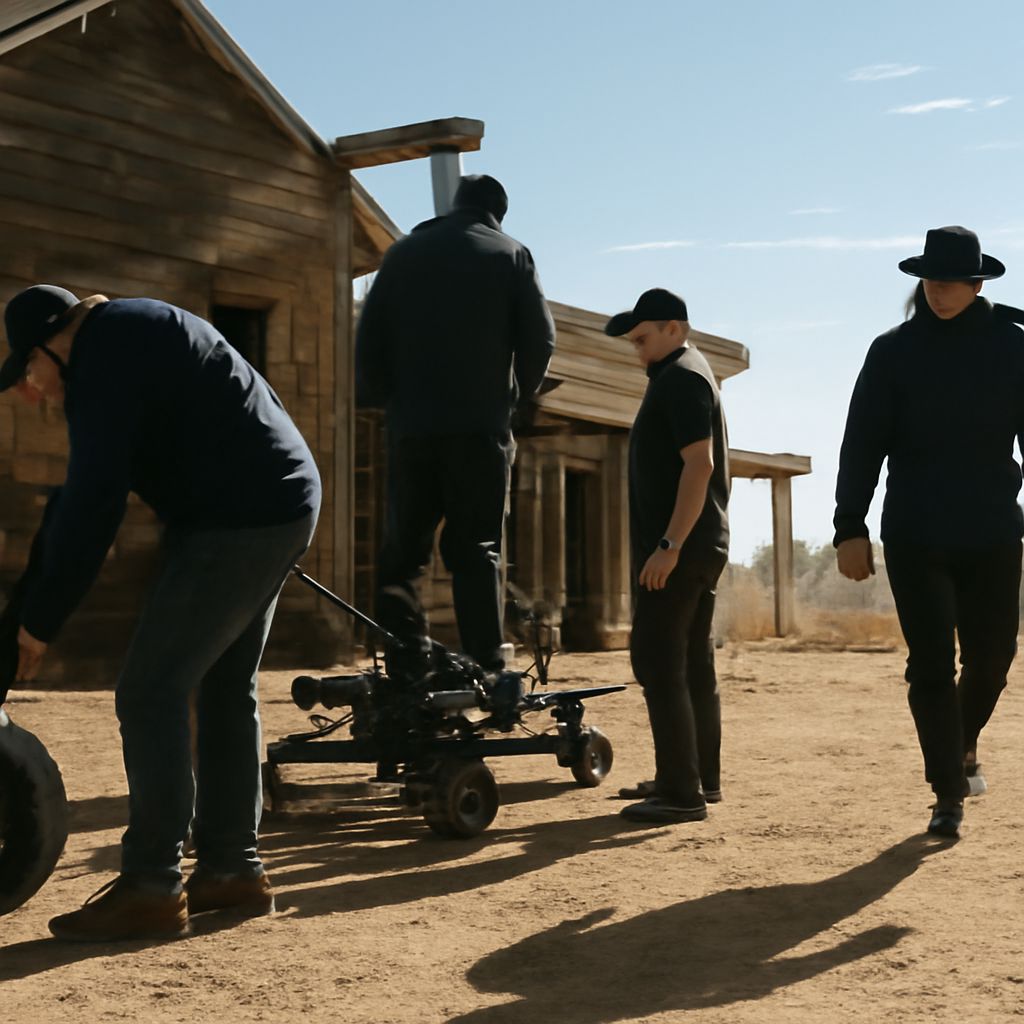
In the world of filmmaking, the success of a movie hinges on the collaborative efforts of a dedicated and skilled film crew. Understanding the various film production roles is crucial for anyone interested in the industry, whether you’re an aspiring filmmaker or simply a curious movie enthusiast. This article delves into the key and supporting roles within a film crew, highlighting their responsibilities and contributions to the filmmaking process.
Introduction to Film Crew Roles
A film crew is composed of individuals with diverse skills and expertise, each contributing to different aspects of film production. From pre-production to the final cut, these roles are critical in bringing a director’s vision to life. In this section, we will explore the essential roles that form the backbone of any successful film production.
Key Roles in a Film Crew
Director
The director is the visionary behind the film, responsible for bringing the script to life. They work closely with the actors and production crew to ensure that every scene aligns with their creative vision. The director makes key decisions on the film’s style, pacing, and overall aesthetic, making them one of the most influential figures on set.
Producer
The producer oversees the film’s production from start to finish. They are responsible for the financial and administrative aspects, including budgeting, scheduling, and hiring key personnel. Producers work closely with the director and other department heads to ensure the film stays on track and within budget, playing a crucial role in the film’s success.
Cinematographer
The cinematographer, or director of photography, is responsible for capturing the visual essence of the film. They work with the director to determine the look and feel of each shot, selecting appropriate camera angles, lighting setups, and film stock. A skilled cinematographer can transform the director’s vision into a stunning visual narrative.
Supporting Roles in Production
Gaffer
The gaffer is the head of the electrical department, responsible for designing and executing the lighting plan for the film. They work closely with the cinematographer to achieve the desired lighting effects and ensure that the set is safely powered. The gaffer’s expertise in lighting techniques is vital for creating the film’s mood and atmosphere.
Grip
Grips are essential members of the production crew, tasked with setting up and maintaining all rigging and camera support equipment. They collaborate with the gaffer and cinematographer to move, position, and secure cameras and lighting equipment. Grips play a vital role in ensuring that filming runs smoothly and efficiently.
Sound Technician
The sound technician is responsible for capturing and mixing audio elements during production. They use a variety of microphones and recording devices to ensure that dialogues, sound effects, and ambient sounds are captured with clarity. Sound technicians work closely with the director and editor to create a rich auditory landscape that complements the visuals.
The Importance of Each Role
Every role within a film crew, be it key or supporting, plays a significant part in the filmmaking process. Each member’s unique skills and expertise contribute to the cohesion and execution of the director’s vision. From the meticulous planning of the producer to the creative lighting designs of the gaffer, the collaborative efforts of the film crew are what ultimately bring a film to life. Understanding these roles not only enriches our appreciation for the art of filmmaking but also highlights the importance of teamwork in producing a successful film.