The violin is a central instrument in orchestras, known for its expressive range and versatility. Understanding the violin range and its role in an orchestra helps appreciate its contribution to the musical narrative. This article explores the violin’s range, its function within an orchestral setting, and how legendary composers like Beethoven and Paganini harnessed its potential to create timeless works.
What is the Violin Range?
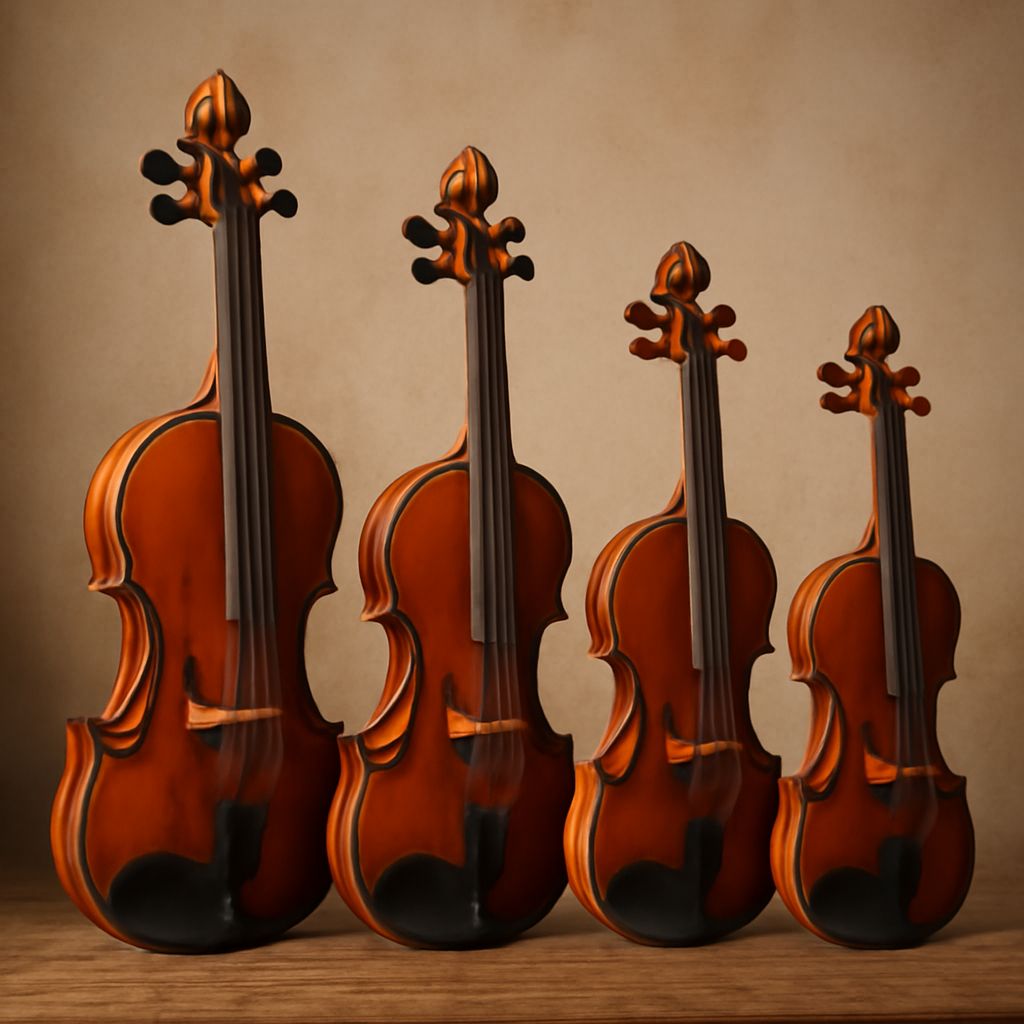
The violin range is extensive, covering nearly four octaves. It starts from the G below middle C, known as G3, and extends up to a high C8. This wide range allows violinists to play a vast spectrum of notes, making the instrument incredibly versatile. The lower register of the violin provides warm, rich tones, while the higher register offers bright and piercing sounds. This diversity is why the violin is capable of evoking a wide array of emotions and atmospheres in musical compositions.
The Role of Violins in an Orchestra
In an orchestra, violins are typically divided into two sections: first violins and second violins. The first violins often carry the melody, playing the higher notes and leading the harmony. The second violins, on the other hand, provide harmony and support, often playing lower notes than the first violins. This division allows for a fuller, richer sound.
The violin’s role in an orchestra extends beyond just melody and harmony. Violins often serve as a bridge between different sections of the orchestra, providing a seamless transition from one theme to another. Their ability to adapt to various musical styles makes violins indispensable in orchestral compositions, contributing to both the dynamic and emotional range of the performance.
How Beethoven and Paganini Used the Violin
Ludwig van Beethoven and Niccolò Paganini are two composers renowned for their innovative use of the violin. Beethoven, known for his symphonic masterpieces, frequently employed the violin to express both dramatic intensity and lyrical beauty. In his Violin Concerto in D major, Op. 61, Beethoven explores the full range of the violin, showcasing its emotional depth and technical prowess.
Niccolò Paganini, a virtuoso violinist and composer, pushed the boundaries of violin capabilities with his compositions. His 24 Caprices for Solo Violin, Op. 1, demonstrate extraordinary technical demands and exploit the violin’s entire range. Paganini’s works challenged violinists to expand their skills and inspired many to explore new techniques.
Both Beethoven and Paganini exemplify how the violin can be used to achieve a wide range of expressive possibilities. Their compositions continue to influence and inspire musicians and composers, highlighting the violin’s enduring appeal in classical music.