
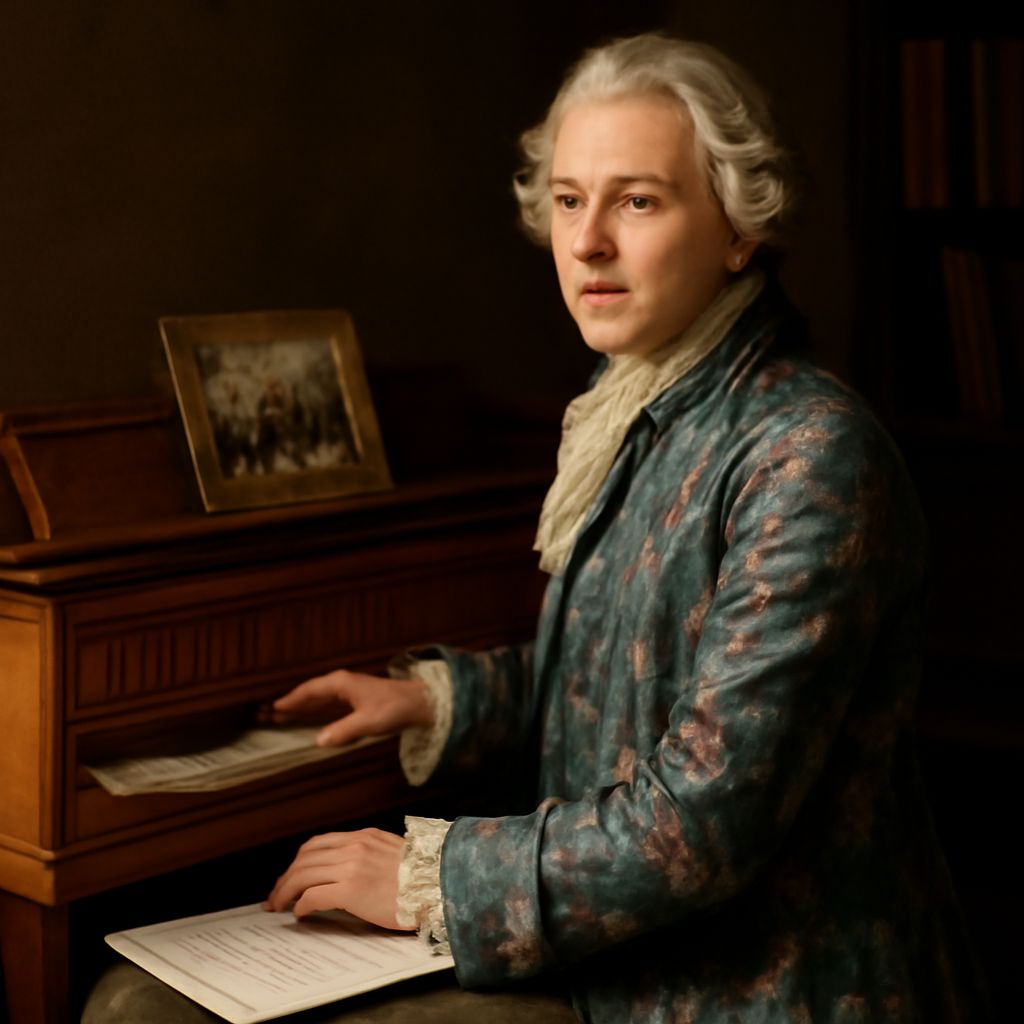
Wolfgang Amadeus Mozart, known for his incredible musical genius, is a towering figure in classical music history. His contributions have left an indelible mark on the world of music, and his versatility with musical instruments is a testament to his extraordinary talent. This article explores what instruments Mozart played and offers insights into who Mozart was as a child prodigy.
Mozart’s Musical Genius
Mozart, full name Wolfgang Amadeus Mozart, was born on January 27, 1756, in Salzburg, Austria. Regarded as one of the greatest composers in Western music history, he exhibited prodigious ability from an early age. By the time he was five years old, he had already begun composing, demonstrating an innate understanding of complex musical forms. His father, Leopold Mozart, who was a composer and musician himself, recognized the child’s potential and nurtured his talents through rigorous training and exposure.
Instruments Played by Mozart
For those curious about what instruments did Mozart play, it is well-documented that he was highly skilled in playing the piano and the violin. These were his primary instruments, but he was also proficient in the viola and the organ. His ability to perform on multiple instruments not only highlights his musical dexterity but also allowed him to compose music that pushed the boundaries of each instrument’s capabilities. Mozart’s piano sonatas and violin concertos remain celebrated pieces that showcase his profound understanding of these instruments.
Mozart’s Early Years
Mozart’s childhood was nothing short of remarkable. Mozart as a child was a musical prodigy, traveling across Europe to perform before royalty and dignitaries. His father organized these tours to display young Mozart’s exceptional talents. During these tours, Mozart absorbed musical influences from various cultures, enriching his compositions. Despite being thrust into the public eye at such a young age, he managed to develop a unique style that would influence countless composers after him.
The Legacy of Mozart’s Childhood
The legacy of WA Mozart‘s childhood is profound. His early experiences laid the foundation for a career that would revolutionize classical music. The works he created during his short life—he died at the age of 35—continue to be performed worldwide, reflecting the timeless appeal of his compositions. His ability to blend different musical traditions and his innovative approach to composition have inspired generations of musicians and composers, ensuring that his legacy endures.