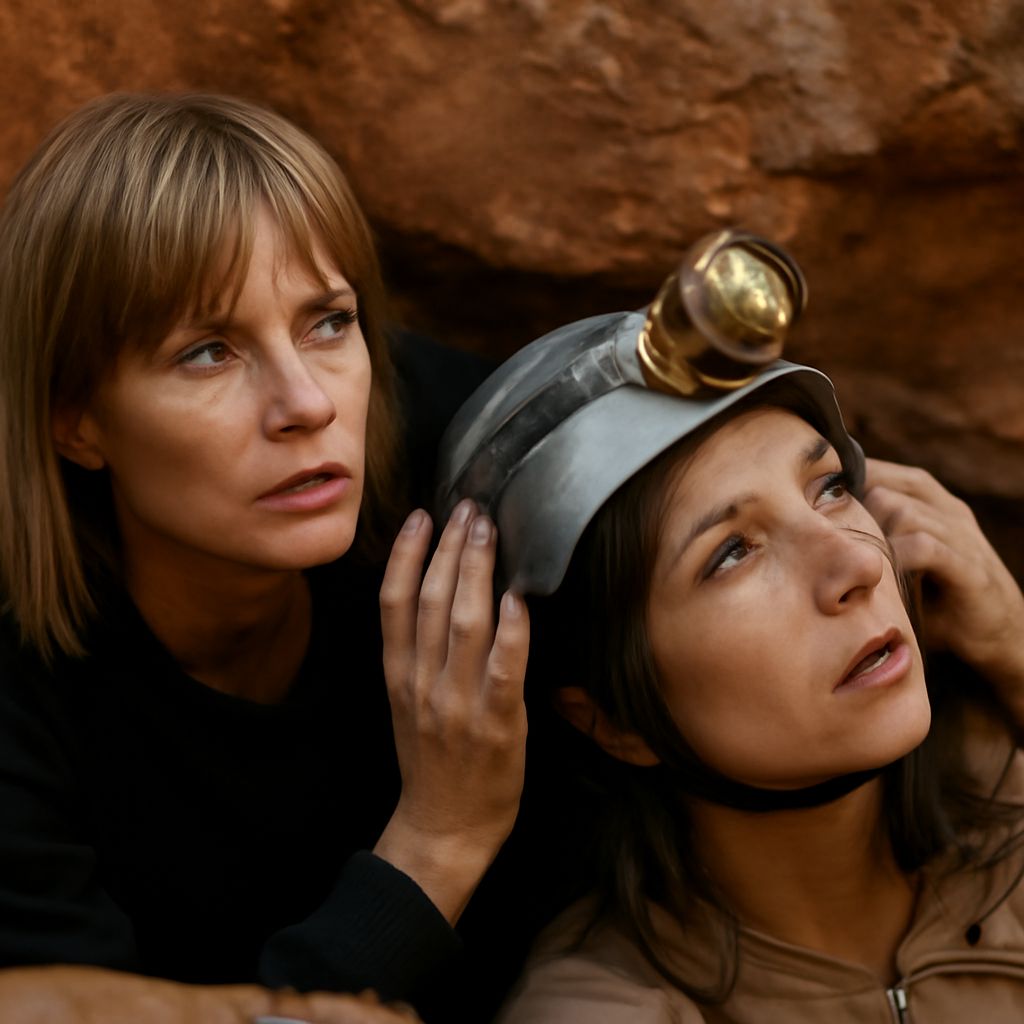
The scariest monsters in modern horror movies are not always the largest or most violent. They are the ones whose design, rules, and relationship to the setting create a threat that characters cannot easily explain or escape. That is why The Descent’s cave-dwelling crawlers remain so effective alongside more familiar vampires and aliens.
The films below stand out because their creatures do more than deliver jump scares. Each monster changes how its characters move, hide, communicate, or understand the world around them.
What makes the scariest monsters genuinely frightening? Design, rules, and behavior
A memorable screen monster needs a recognizable silhouette, a clear advantage over its victims, and behavior that creates suspense before it attacks. The strongest examples also make the setting feel dangerous even when the creature is off screen.
- Design: An unusual body, movement pattern, or sound gives the monster an identity audiences can recognize instantly.
- Rules: Vulnerabilities and limits make fear more immediate. If viewers understand what attracts or repels a creature, every character decision gains weight.
- Behavior: A monster should feel like an animal, predator, parasite, or intelligence with its own priorities rather than a prop waiting for a scare.
- Dramatic purpose: The best creatures expose character flaws, disrupt relationships, or force people to confront an environment they thought they controlled.
Why The Descent monsters work: crawlers, cave design, and sensory rules
The descent monsters are frightening because the film gives them a memorable design without overexplaining their origin. The crawlers are pale, hairless, humanoid creatures with elongated limbs and unnerving, animal-like movement. Their bodies look adapted to a life without sunlight, making them feel native to the cave rather than supernatural visitors.
Their environment does much of the frightening work. The cave system is narrow, unstable, and almost completely dark, so the climbers lose their advantages before the creatures appear. Tight passages prevent easy escape, unfamiliar tunnels erase direction, and the darkness turns every scrape or breath into a possible warning.
The crawlers also seem blind or extremely light-sensitive, relying on hearing and movement to locate prey. That creates a strict sensory rule: noise becomes a liability. Once the survivors understand it, silence is no longer passive hiding; it becomes an exhausting survival task. The creatures can attack from above, behind, or through gaps too small for a human body, weaponizing the cave’s geometry.
Most importantly, the crawlers intensify an already fractured group. Fear, secrecy, and betrayal matter as much as physical strength, so the monsters never feel separate from the film’s emotional conflict.
Recent vampire movies that reinvent the creature: Byzantium, A Girl Walks Home Alone at Night, The Last Voyage of the Demeter, and Abigail
These recent vampire movies refresh the tradition by changing the creature’s point of view, setting, or dramatic function.
- Byzantium (2012): Neil Jordan’s film follows Clara and Eleanor, a fugitive vampire mother and daughter. Its vampires are immortal but vulnerable, and the film uses their long history to explore exploitation, loyalty, and the cost of survival.
- A Girl Walks Home Alone at Night (2014): Set in a stark, fictional Iranian town, Ana Lily Amirpour’s black-and-white film turns a vampire into a silent moral presence. The Girl’s chador, skateboard, and deliberate stillness create an unforgettable image, while her selective predation gives the film an eerie romantic tension.
- The Last Voyage of the Demeter (2023): This adaptation of the Dracula novel’s shipboard chapter treats the vampire as a maritime predator. The isolated vessel becomes a closed ecosystem where a crew watches its supplies, animals, and people disappear with no safe shore nearby.
- Abigail (2024): A kidnapped ballerina appears vulnerable inside a sealed mansion, but the film quickly turns the hostage setup into a violent creature feature. Abigail’s childlike appearance contrasts with her speed, strength, and shifting predatory moods, adding dark comedy to the siege.
Best modern horror movies with memorable monsters: The Host, The Ritual, A Quiet Place, and Nope
For viewers looking beyond vampires and cave creatures, these are among the best modern horror movies built around monsters with distinctive environments and rules.
- The Host (2006): Bong Joon-ho’s river monster emerges from pollution in Seoul and moves with a bizarre mixture of amphibian, reptilian, and mammalian traits. Its attacks turn a familiar public space into a family rescue mission with political bite.
- The Ritual (2017): The forest creature Moder combines a towering antlered silhouette with the logic of an ancient deity. It stalks hikers through remote woodland, using isolation and buried guilt to make the landscape feel like a ritual trap.
- A Quiet Place (2018): Its blind, insect-like predators hunt by sound, giving ordinary actions—opening a door, dropping an object, speaking aloud—the force of major decisions. The family’s improvised quiet life makes the monster’s rule emotionally immediate.
- Nope (2022): What first resembles a cloud or flying saucer is actually a territorial alien animal with a changing, veil-like body. Its feeding behavior and response to spectacle make the open sky feel as threatening as any basement or forest.